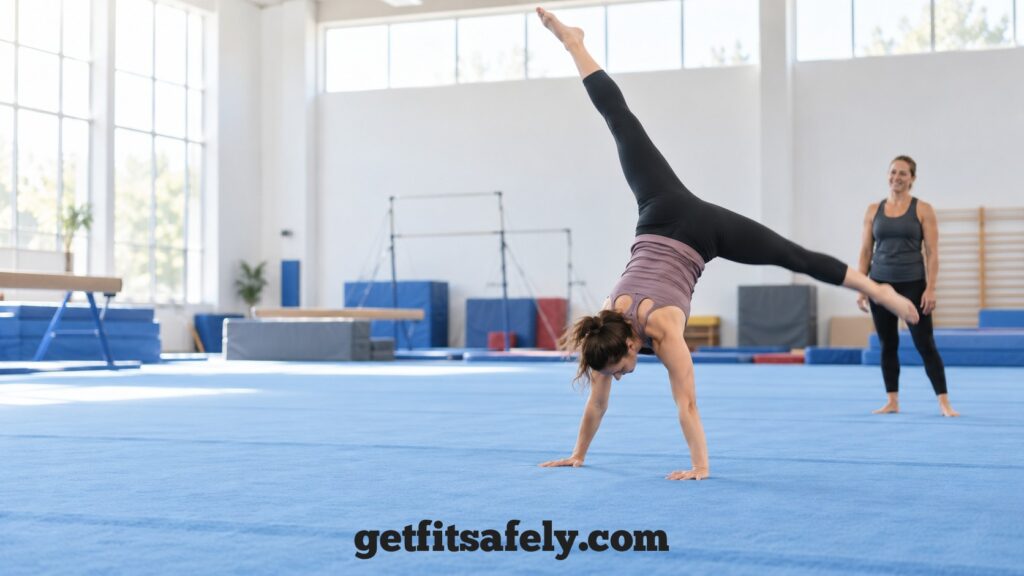
Trying gymnastics even if you never competed adds something that calisthenics alone did not give me at first: a clearer idea of where my body is once it is no longer standing normally on the floor.
I am still much more of a calisthenics person.
Give me a pull-up bar, a park, a pair of rings, and twenty minutes after work, and I am happy.
Gymnastics enters my training for a different reason.
It makes the pull-up bar, floor, wall, and even an empty mat feel less familiar in a good way.
You Do Not Need to Compete to Try Gymnastics
Watching competitive gymnastics can make adults think they have arrived thirty years late.
The athletes look as if gravity signed a private agreement with them.
That is not the version I am talking about here.
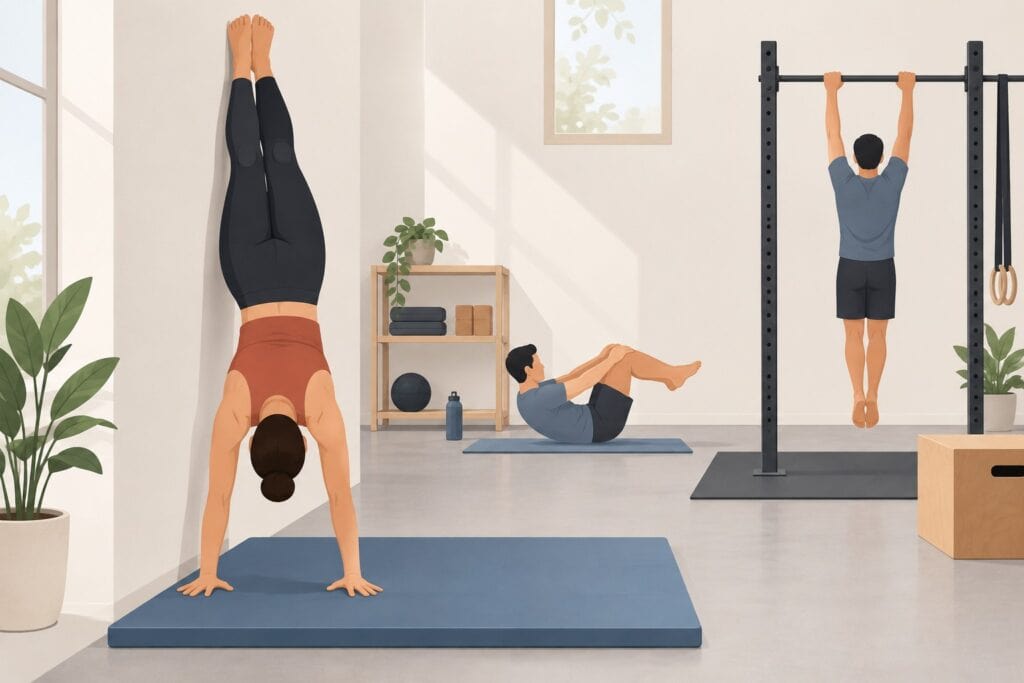
My version begins after a normal calisthenics session, when I have done some pull-ups, push-ups, rows, or squats and still have ten focused minutes left.
A few basic drills are enough.
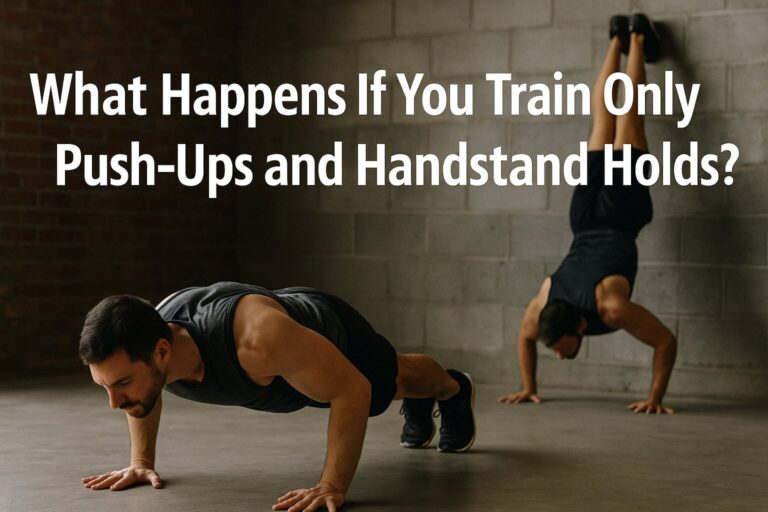
- A wall-supported handstand
- A tucked hollow hold on a mat
- A controlled hang from a bar
- A slow cartwheel preparation drill
- A supported balance walk
None of that requires a scorecard.
1. Gymnastics Gives My Calisthenics a Second Layer
Calisthenics gives me exercises with a very clear purpose.
Pull toward the bar.
Push away from the ground.
Lower into a squat.
Gymnastics asks a slightly different question: can I keep my body organized while doing those things?
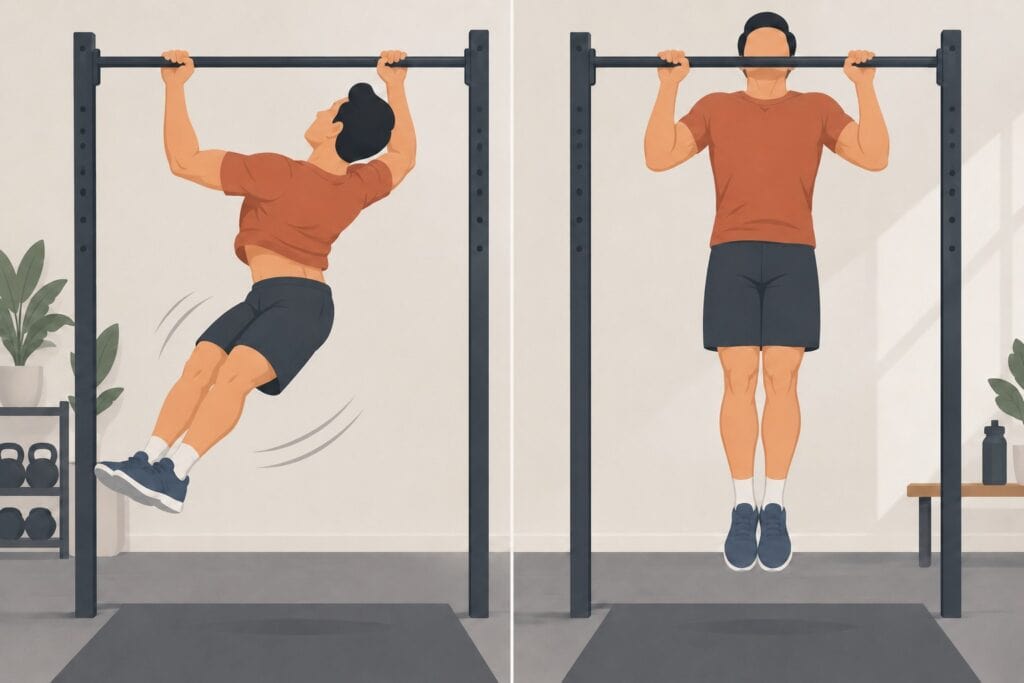
During a pull-up, for example, I used to think mostly about reaching the bar with my chin.
Now I also notice whether my legs swing forward, whether my ribs open too much, and whether I am pulling from a solid hang or just finding a creative route upward.
That does not make every rep beautiful.
It does make the movement more deliberate.
2. It Makes Me Feel New at Training Again
There is something useful about being a beginner at an activity when you have spent years feeling competent in a gym.
I know where to stand for a dumbbell press.
I know how to set up a row.
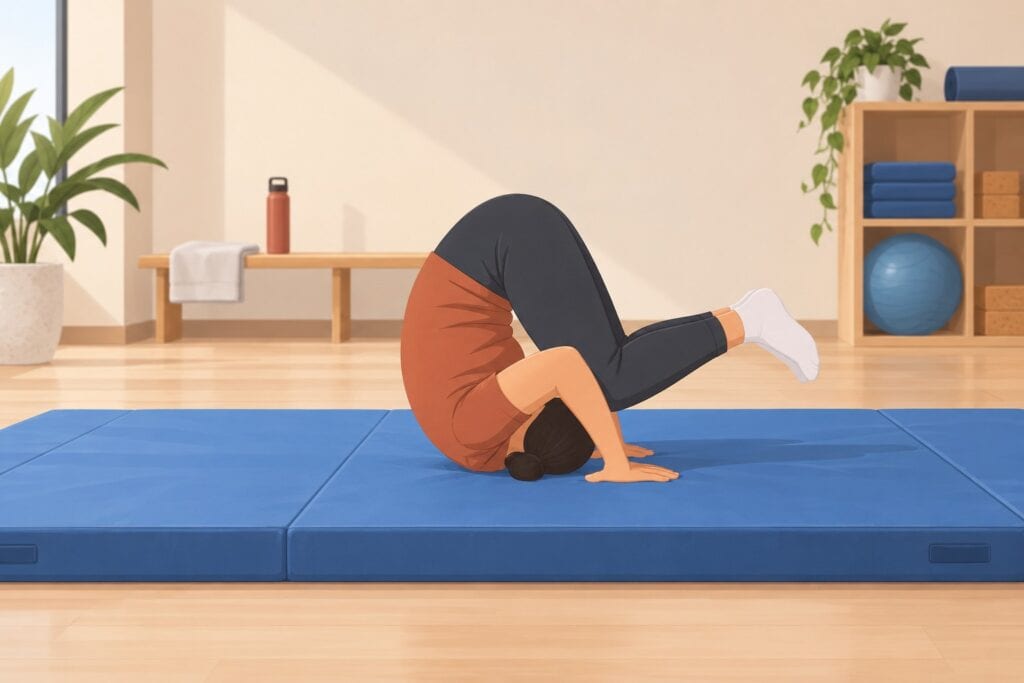
Then I try a basic forward roll on a mat and suddenly have to think about tucking my chin, rounding my back, and using my legs to stand up.
The first few attempts felt clumsy.
One ended with me sitting there for a second, looking at the mat as if it had changed position without warning.
That beginner feeling keeps training interesting.
3. You Can Start With What Your Body Can Handle
Nobody needs to force a deep bridge, handstand, or flip because it looks impressive online.
Beginner gymnastics has plenty of lower-risk entry points.
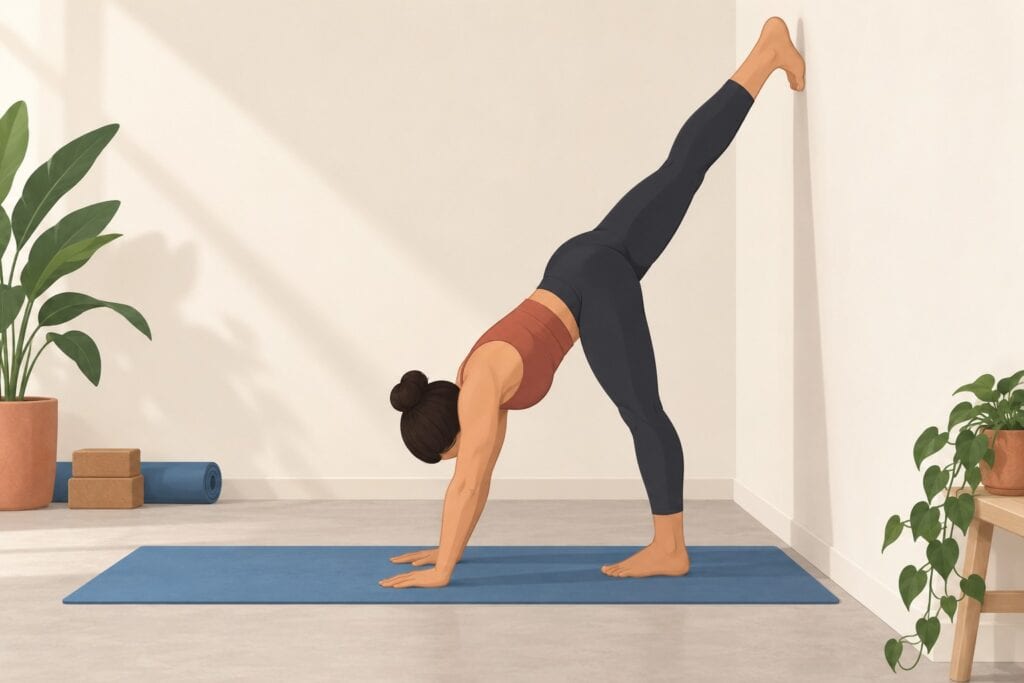
For a wall-supported handstand, place your hands on the floor a little away from the wall.
Walk your feet partway up until your hips rise above shoulder level.
Hold there for five to ten seconds, then walk back down.
Your arms, shoulders, stomach, and upper back work together.
A steep body angle is enough to begin.
If your wrists hurt sharply or your shoulders feel pinched, reduce the angle or stop for the day.
Where Calisthenics and Gymnastics Meet
This is the part I enjoy most.
Calisthenics and gymnastics are not rivals in my training.
They overlap constantly, especially around bars, rings, bodyweight strength, and control.
4. Both Build Useful Relative Strength
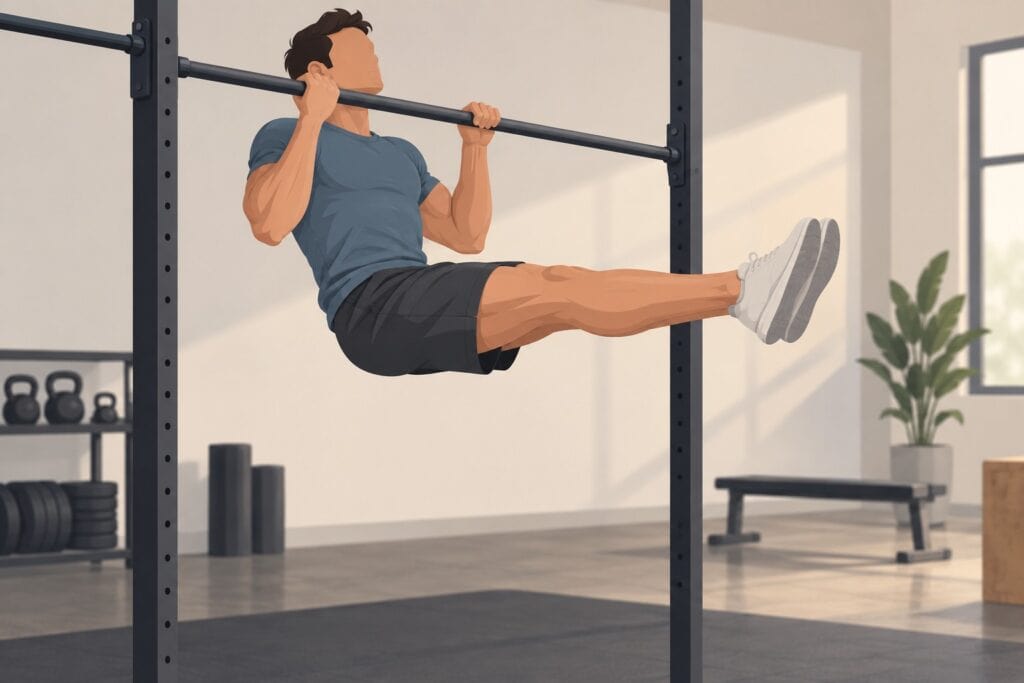
Relative strength means how well you can move your body in relation to your bodyweight.
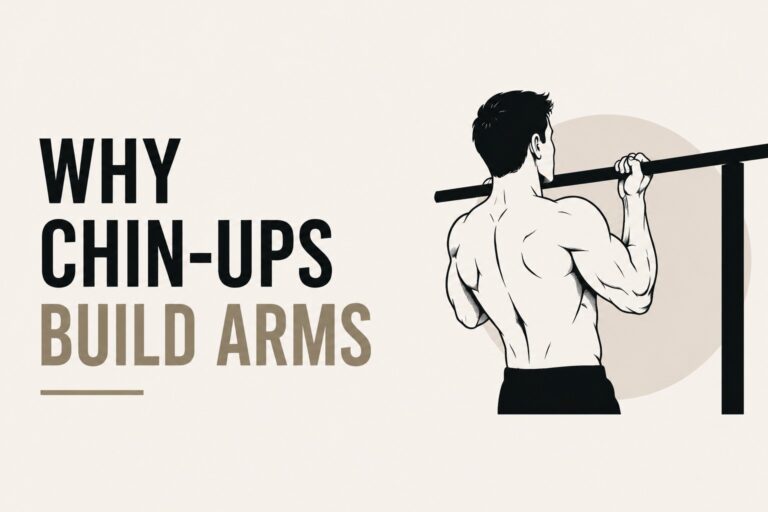
A clean pull-up is a good example.
You hold a bar, hang with your feet off the floor, and pull your chest upward by bending your elbows and using the muscles of your back and arms.
Gymnastics uses this strength too.
The difference is that gymnastics may ask you to pause, hold a body shape, or move through a larger range without losing position.
A calisthenics pull-up can make you stronger.
A gymnastics-style pull-up variation can teach you to stay tighter while getting stronger.
5. Both Use Progressive Versions of an Exercise
I like this because it removes the idea that a movement is either possible or impossible.
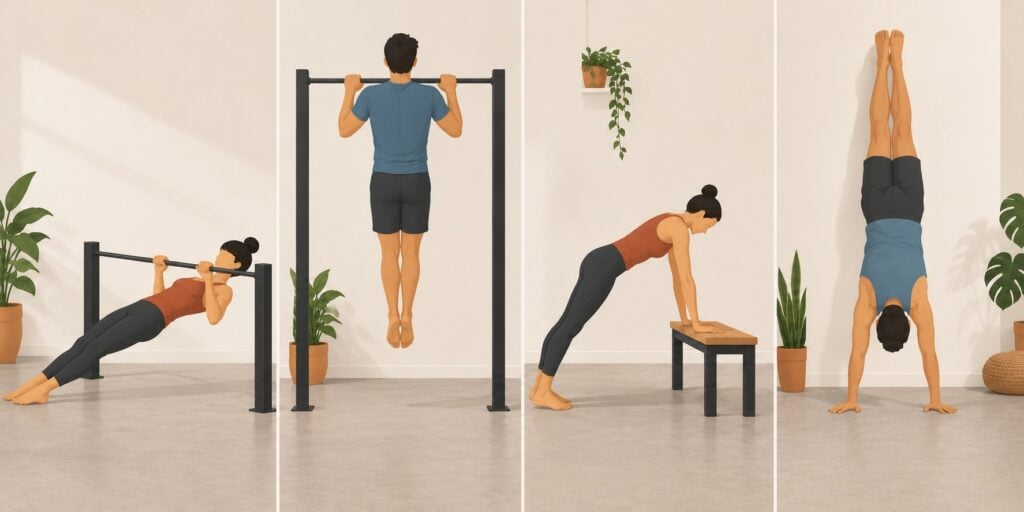
A pull-up can begin with:
- A row under a low bar with feet on the floor
- A band-assisted pull-up
- A pull-up with slow lowering
- Short holds near the top position
Gymnastics works in a similar way.
A handstand can begin with hands on a bench, then feet on a wall, then a stronger wall hold, then small balance drills.
You work on the piece that is available today.
That feels much better than kicking at a wall twenty times and hoping the last attempt suddenly becomes intelligent.
6. Both Make Simple Equipment Valuable
One reason I stay close to calisthenics is the simplicity.
A bar, rings, a resistance band, and a clear floor can cover a lot.
Gymnastics uses many of those tools differently.
Rings are a great example.
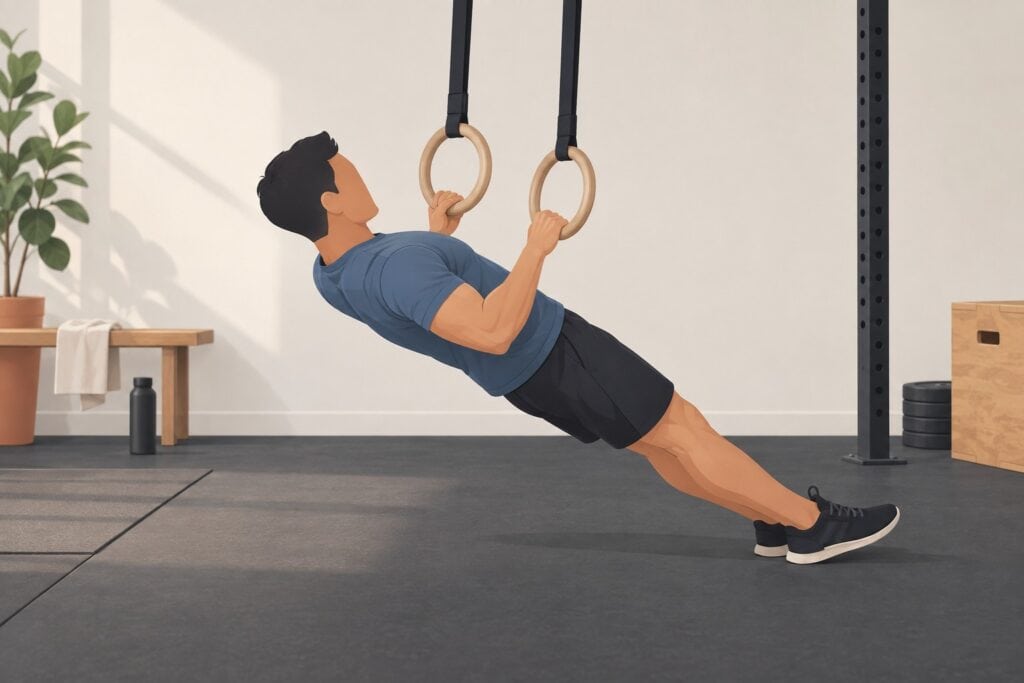
For a basic ring row, set the rings around waist height, hold one ring in each hand, lean back, and pull your chest toward your hands.
Your feet stay on the floor.
Walking your feet farther forward increases the challenge.
The first time I used rings after plenty of fixed-bar rows, the wobbling surprised me.
My body had strength, but it had not yet learned how to keep that strength steady.
7. Both Reward Control More Than Random Reps
I still enjoy doing regular sets.
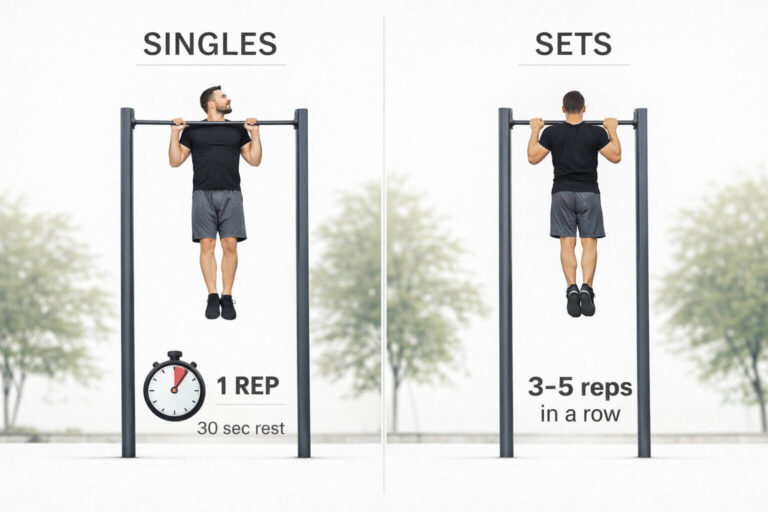
Three sets of push-ups or pull-ups have a clean, satisfying rhythm.
Gymnastics makes me slow down before I chase more reps.
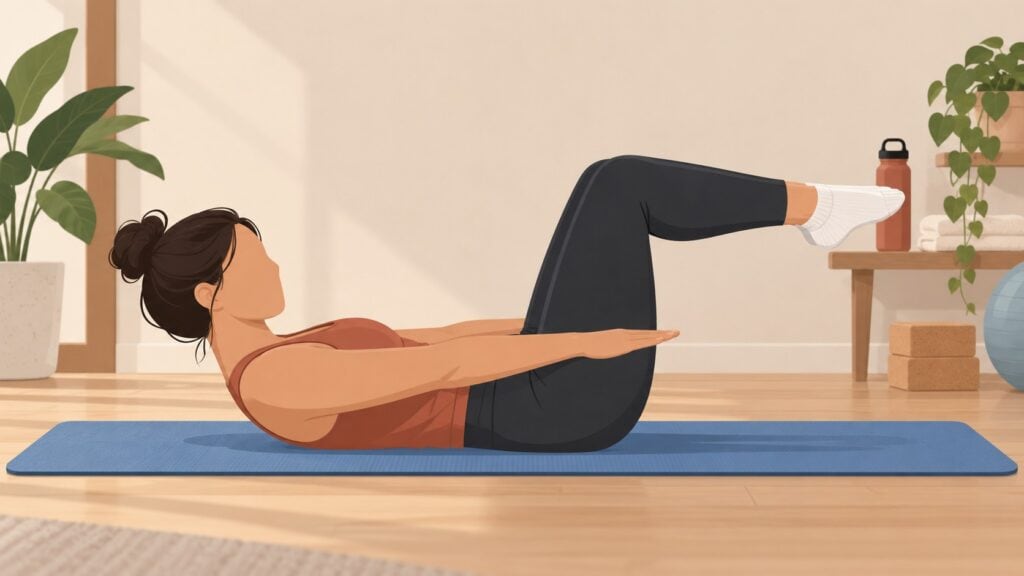
A hollow hold is a good example.
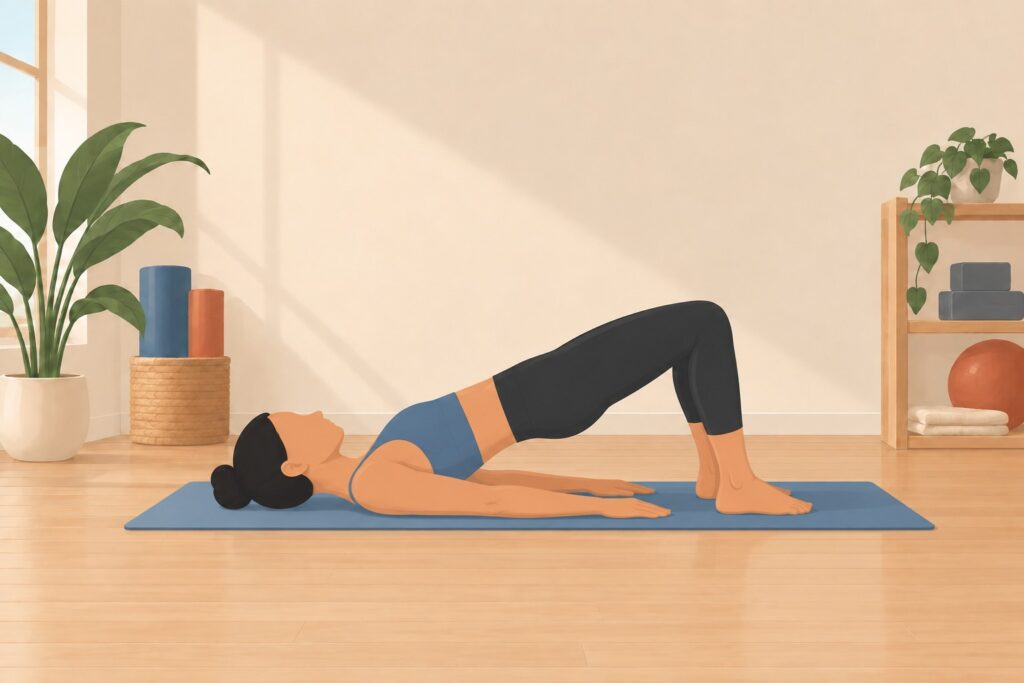
Lie on your back, bend your knees, lift your shoulders slightly, and press your lower back gently toward the mat.
Hold for ten seconds.
Your stomach works, but so do your hips and ribcage because they have to stay connected.
The useful version is controlled.
Once my lower back pops off the floor, I bend my knees more or stop the set.
Adding time to a loose position does not add much value.
The Things I Notice on the Gymnastics Floor
A regular gym can be crowded with benches, racks, cables, and people walking between sets.
A gymnastics floor gives you room.
That changes how you move.
8. I Notice Balance Before I Notice Strength
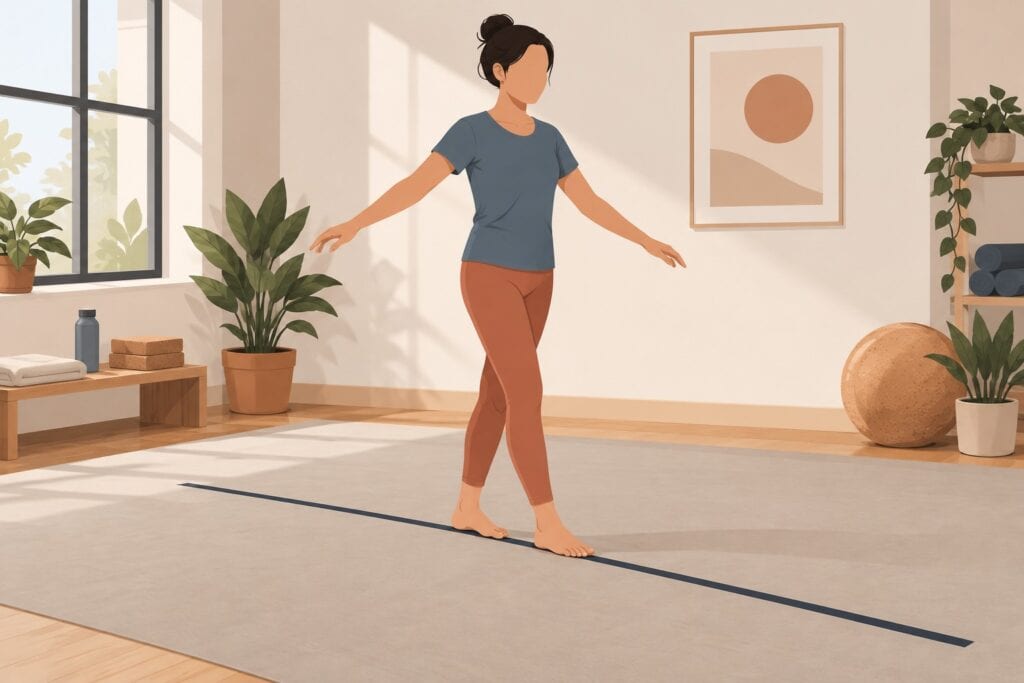
Standing on one leg does not look like training until you actually try it carefully.
On a low beam or a line on the floor, every little shift becomes obvious.
My foot starts working.
My toes grip lightly.
My hips have to make quick corrections.
I used to move too fast across the line because I wanted it to look easy.
Slow steps turned out to be harder and more useful.
Try five to eight slow steps with your eyes forward.
Step off, reset, and go again.
9. Landing Quietly Becomes a Skill
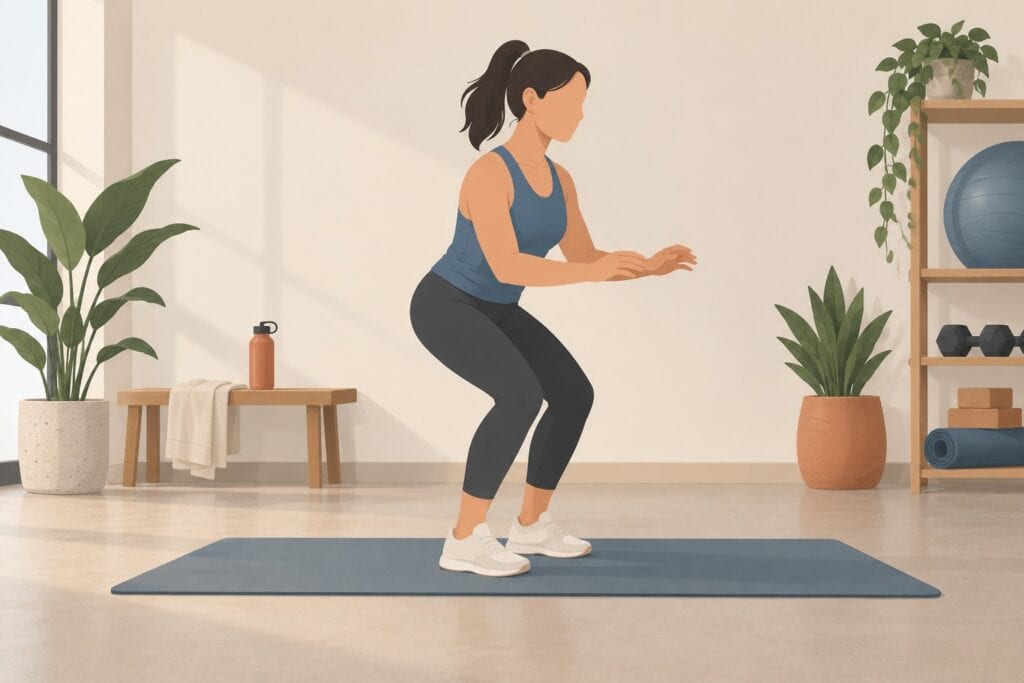
A small two-foot jump can teach a surprising amount.
Stand tall, dip slightly through your knees and hips, jump only a few inches, and land softly with both feet.
Your knees should bend gently as you land.
Your chest stays reasonably upright.
A quiet landing usually feels controlled.
A loud one often tells you that the floor received your weight before your legs had time to help.
I see people rush toward bigger jumps before they can land a tiny one calmly.
That was also my instinct.
Learning the smaller version first makes much more sense.
10. Rolling Teaches Me to Trust the Mat
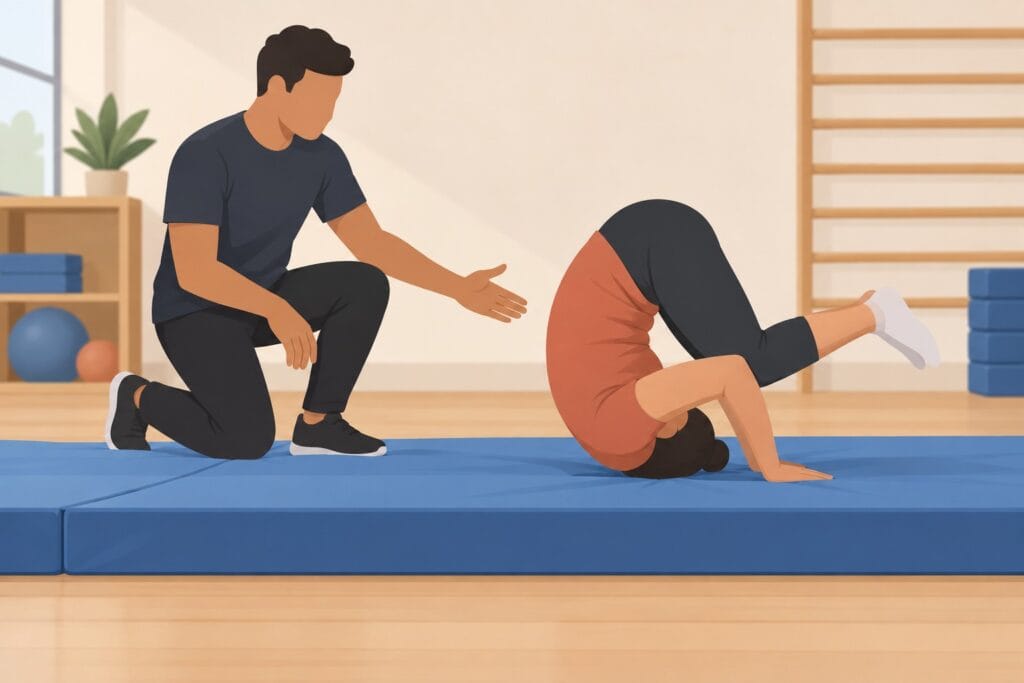
A forward roll looks like a children’s game until an adult tries it stiffly.
Place your hands down, tuck your chin toward your chest, round your upper back, and push gently from your legs.
The roll should travel over the upper back, not through the head or neck.
My early attempts were too cautious.
I tried to place every part of my body neatly, which turned the movement into an awkward half-roll.
A coach or qualified instructor can make a huge difference here because they can show where the weight should travel.
11. I Learn How to Get Down Without Panic
Gymnastics is not about falling around.
It teaches controlled exits from low positions.
From a wall-supported handstand, for example, I do not try to stay up until my shoulders give up negotiating.
I step one foot down, then the other.
From a low balance beam, I simply step to the side.
Knowing how to exit removes a lot of tension.
A review of gymnastics injury-prevention research highlights coaching, physical preparation, spotting, and sound technique as important safety measures.
That is why flips, high-bar releases, deep backbends, and difficult dismounts belong with qualified coaching and proper equipment.
Gymnastics Changes How Basic Calisthenics Feels
This is where I notice the carryover most clearly.
The exercises have not become completely different.
My attention during them has changed.
12. Push-Ups Become More Full-Body
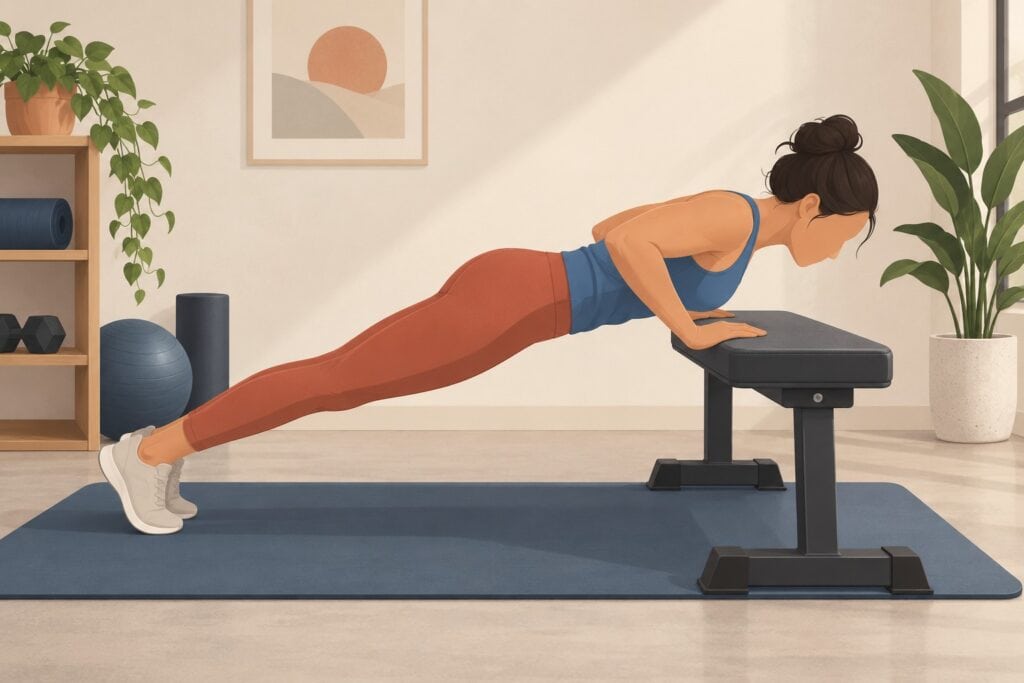
A push-up starts in a plank position.
Place your hands under or slightly wider than your shoulders, keep your body long, bend your elbows, and lower your chest toward the floor.
Before adding gymnastics work, I often treated the movement as chest and arms.
Hollow-body practice made me notice my ribs and hips more.
Now I lightly tighten my stomach and glutes before lowering.
The goal is a firm body line instead of a sagging middle or hips rising first.
If floor push-ups become messy, I use a bench.
That is not a step backward.
It is choosing a version that I can control.
13. Pull-Ups Feel Less Like a Scramble
On tired days, a pull-up bar can feel strangely high.
I have been there.
The temptation is to kick the legs forward, swing back, and collect the rep however possible.
Gymnastics-style hanging reminds me to begin quietly.
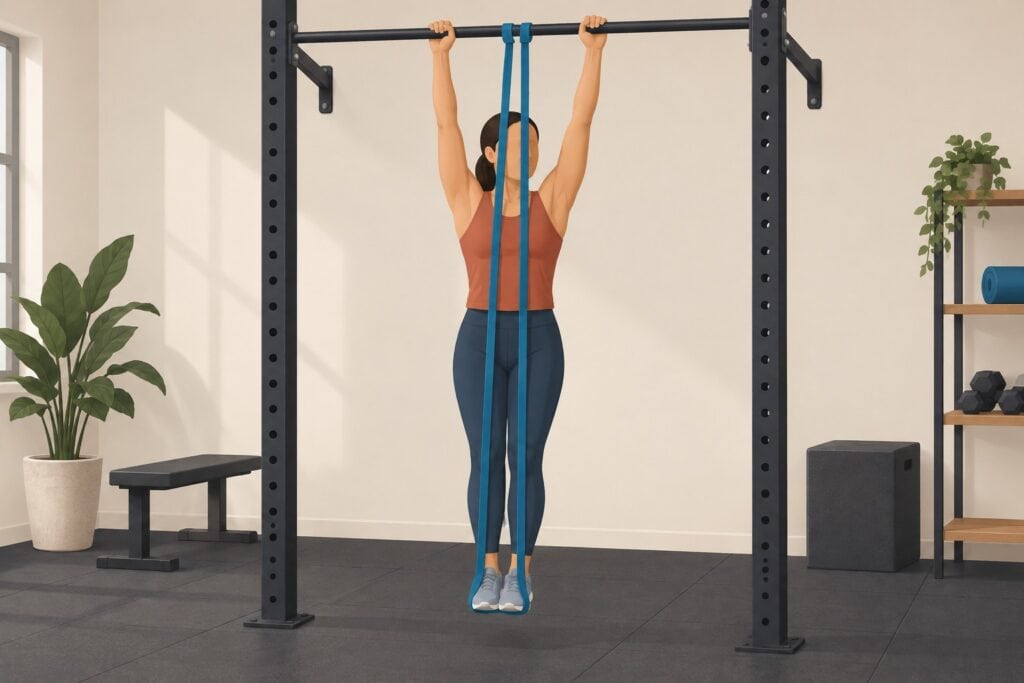
Hang from a secure bar.
Let your shoulders rise naturally, then pull them slightly down away from your ears without bending your arms.
Keep your legs together or cross your ankles behind you.
From there, pull your elbows down toward your ribs.
A resistance band can make the upward phase manageable.
14. Dips Become Easier to Understand
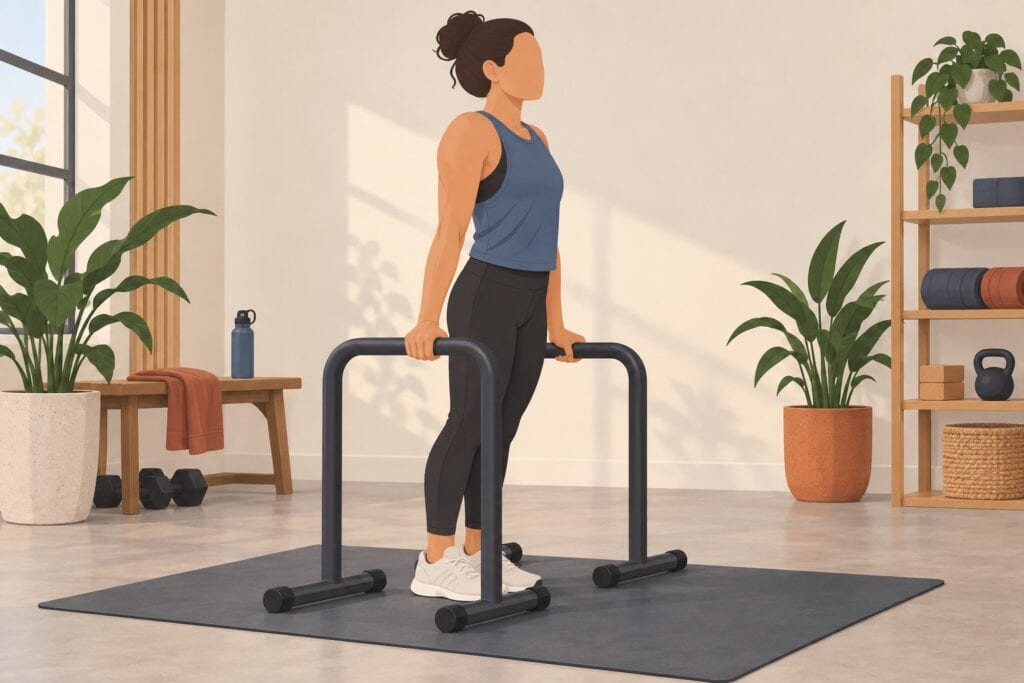
Parallel-bar dips look like a simple arm exercise.
They are really a support exercise too.
Begin by standing between low bars or dip handles.
Place your hands on the bars, press down, and lift your feet only if you can keep your shoulders steady.
Your arms straighten, your chest stays lifted, and your body hangs between the handles.
Feet can stay on the floor for assistance.
I once went too deep too soon because I was thinking about chest stretch rather than shoulder comfort.
A shorter range felt far better and gave me a much cleaner position.
15. Squats Become Less About Going Low
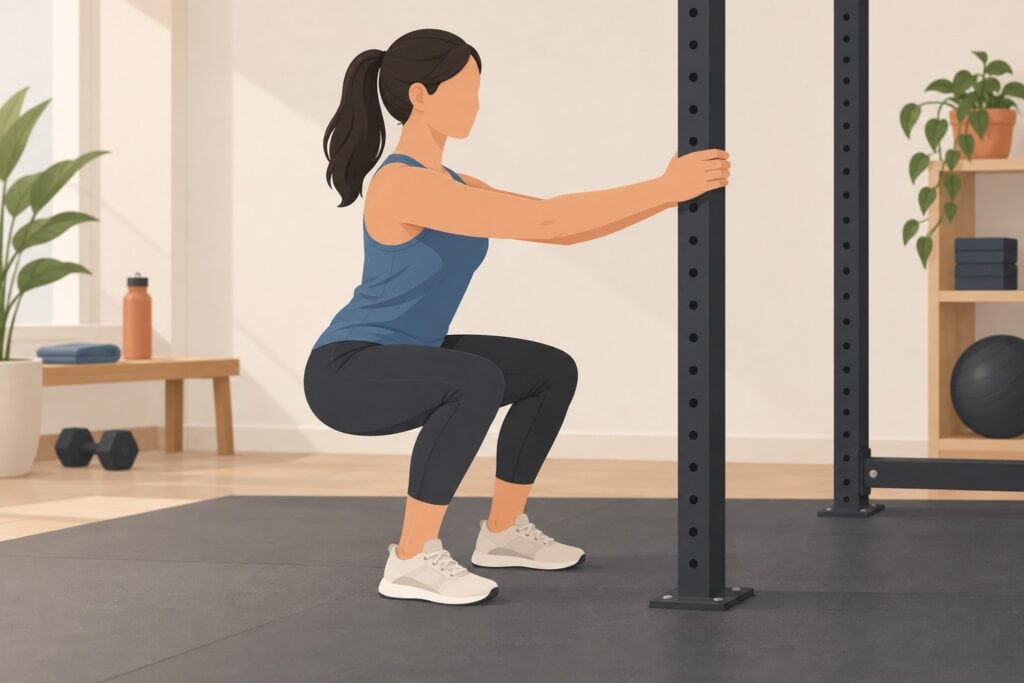
Gymnastics warm-ups often include ankle rocks, deep squat holds, and controlled leg positions.
That made me pay attention to the bottom of my squat.
Stand with feet around shoulder width.
Lower by bending knees and hips together.
Keep your heels on the floor if possible.
Hold a rack or doorframe if balance limits you.
I used to chase depth even when my heels were lifting and my weight was shifting forward.
Now I stop at the depth where I can stay balanced.
That is a much more useful starting point.
It Trains Areas I Used to Ignore
Calisthenics covers a great deal, but I had gaps.
Gymnastics made a few of them impossible to ignore.
16. Your Wrists Get More Attention
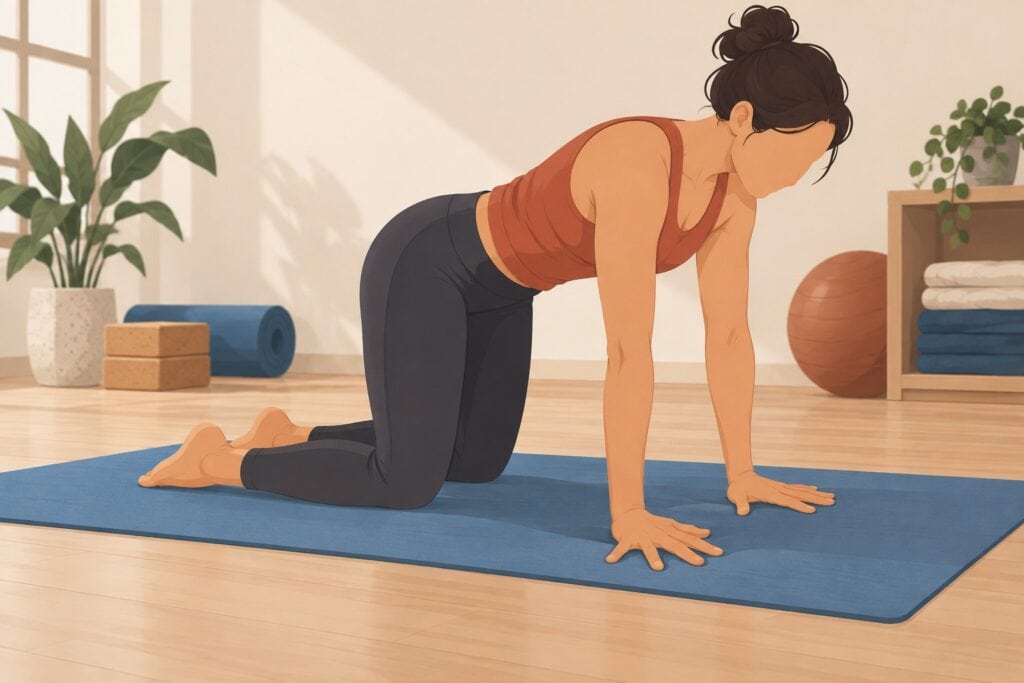
Hands on the floor are normal in gymnastics.
They are less common in many gym routines.
Before any floor work, I spread my fingers, place my palms down, and shift a little weight forward and back.
The movement is small.
Five or six gentle shifts can prepare the wrists.
A sharp pain, numbness, or a feeling that worsens with each set is a clear sign to stop.
17. Shoulders Learn to Support Weight Overhead
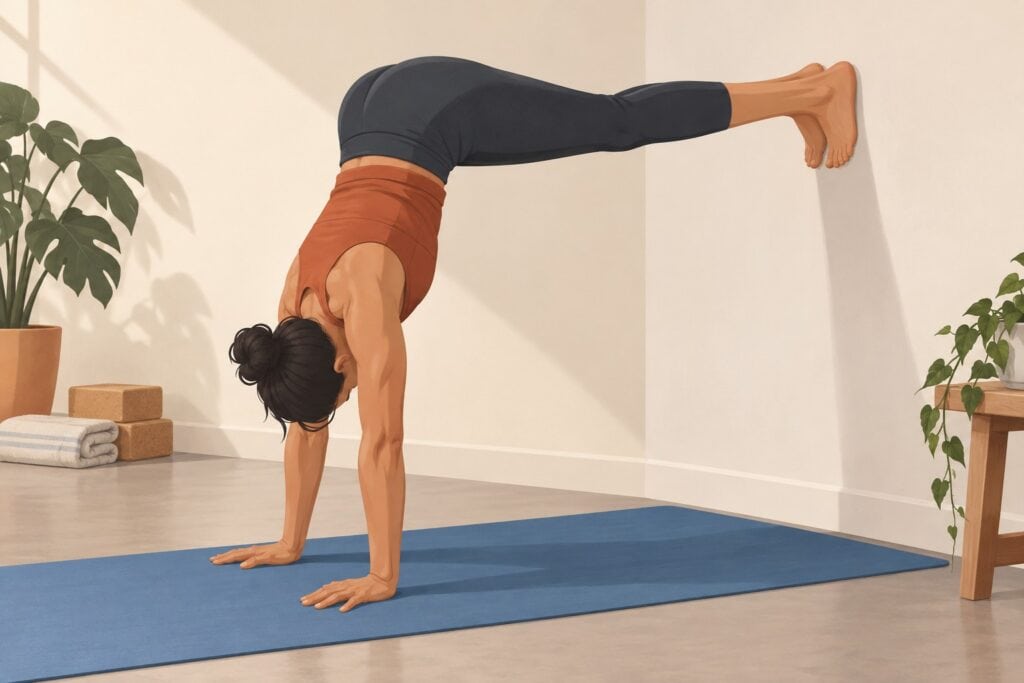
A wall handstand asks the shoulders to support bodyweight with arms straight.
That is different from lifting a dumbbell overhead.
At first, I assumed stronger shoulders would make the handstand easy.
They helped, but balance, wrist comfort, rib position, and patience mattered too.
Begin with the feet lower on the wall.
Build short holds.
Take plenty of rest between attempts.
Three focused attempts are often more productive than fifteen rushed ones.
18. Core Work Gets a Real Job
Crunches can be useful.
Gymnastics-style core work teaches your middle to hold position while arms and legs move.
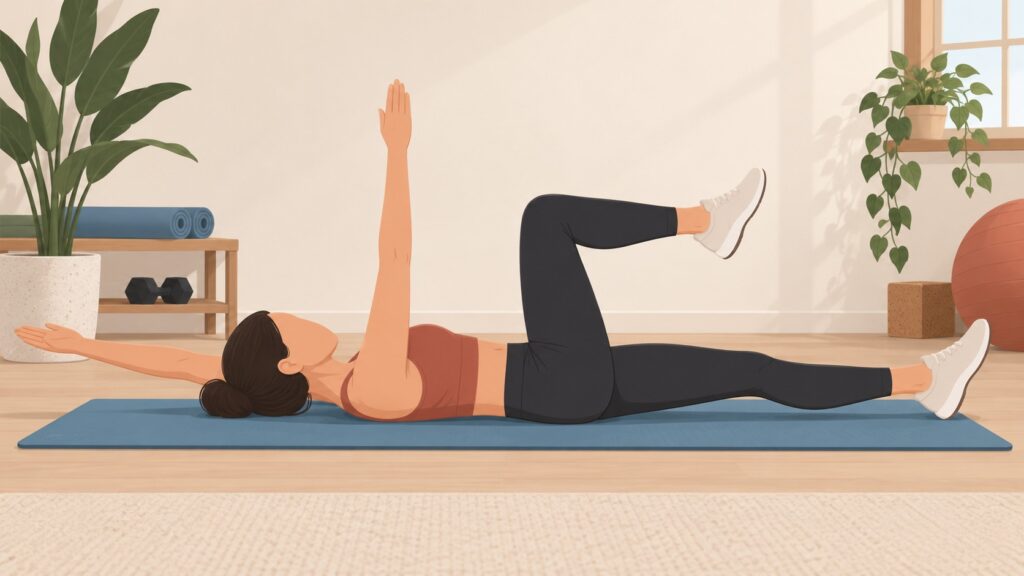
A dead bug is a practical start.
Lie on your back with knees above your hips and arms pointing upward.
Lower one heel and the opposite arm slowly.
Return to the start, then switch sides.
Keep your lower back gently connected to the floor.
I use this before hanging knee raises because it reminds me not to swing my legs around like they are trying to escape.
The Social Side Is Better Than I Expected
I expected equipment, mats, and a few drills.
I did not expect the environment to matter so much.
19. A Good Class Removes the Guesswork
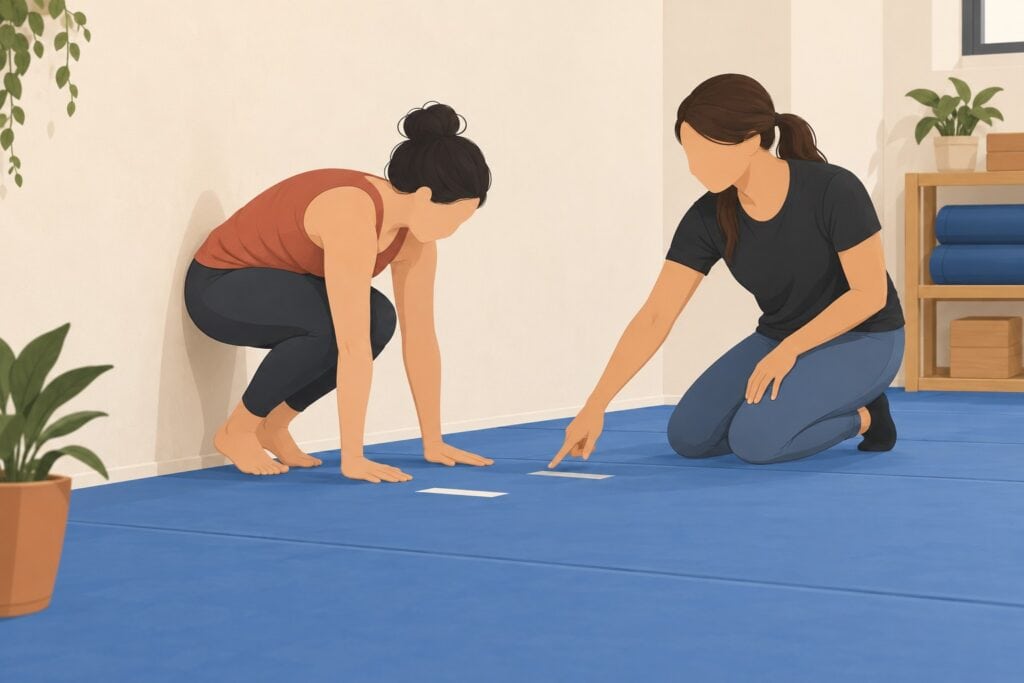
At home, it is easy to repeat a movement that feels almost right.
A coach can usually spot the issue much faster.
Maybe your hands are too far from the wall.
Maybe your balance drill needs a lower surface.
Maybe you are tired and today is not the day for another attempt.
That kind of guidance helps beginners progress without turning every new skill into trial and error.
20. You See Adults Working at Their Own Level
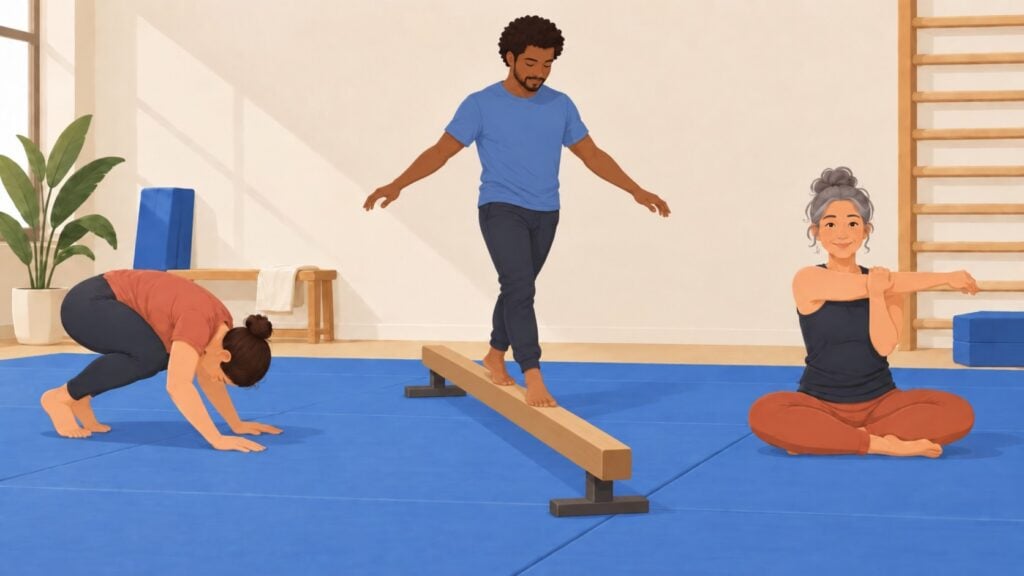
A beginner class can be reassuring.
One person may be learning a forward roll.
Someone else may be refining a handstand.
Another adult may be stretching shoulders after a workday.
Nobody needs to be the strongest person in the room.
I find that far less intimidating than expected.
Most people are busy enough trying to control their own limbs.
21. Training Becomes More Playful Without Becoming Silly
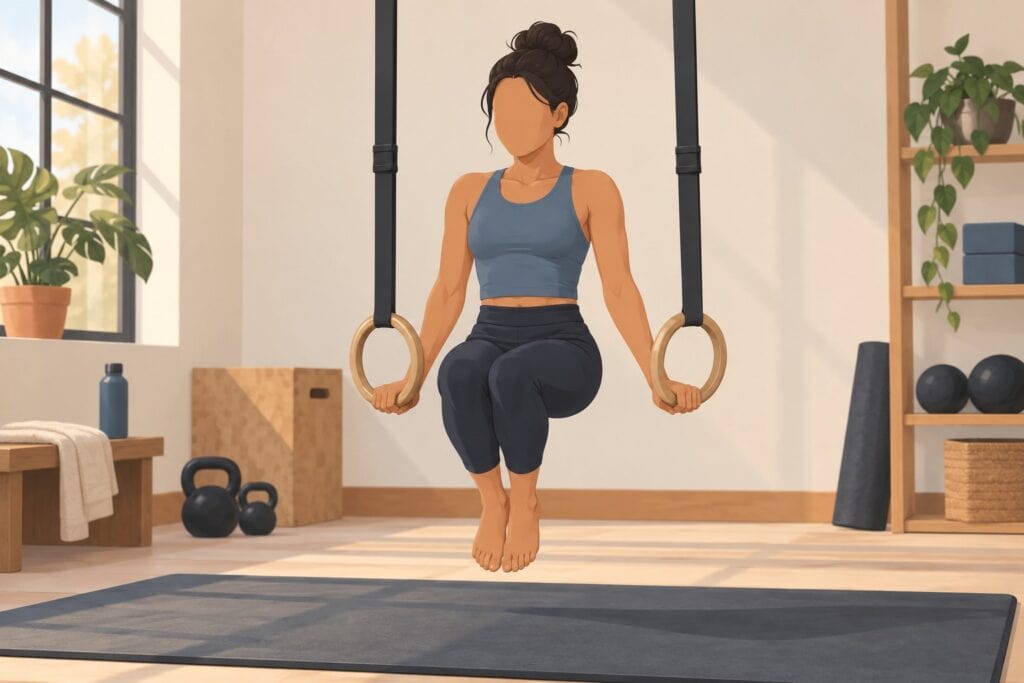
Calisthenics keeps me grounded.
I still enjoy getting stronger at pull-ups, rows, push-ups, dips, and squats.
Gymnastics brings curiosity back into those sessions.
A short balance drill, a ring hold, or a wall walk can make the session feel less repetitive.
You are still training seriously.
You are simply giving your body another problem to solve.
How to Start Gymnastics as an Adult Beginner
Start with basic skills and leave enough energy to pay attention.
A first session could include:
- Five minutes of ankle, shoulder, and wrist preparation
- Two or three sets of low-bar rows or assisted hangs
- A few soft two-foot landings
- Short hollow holds or dead bugs
- A wall-supported handstand at a comfortable angle
- A balance walk on a line or low beam
Rest when your focus fades.
Stop immediately for sharp pain, dizziness, numbness, or any movement that feels unsafe.
You do not need to prove anything in the first class.
I am still more drawn to calisthenics, because I love the directness of a bar and a simple strength session.
Still, those are 21 reasons to try gymnastics even if you never competed.
A few beginner drills may give your calisthenics more control, your training more variety, and your body a few useful new skills.