Yoga & Pilates

Yoga-and-Pilates-cover

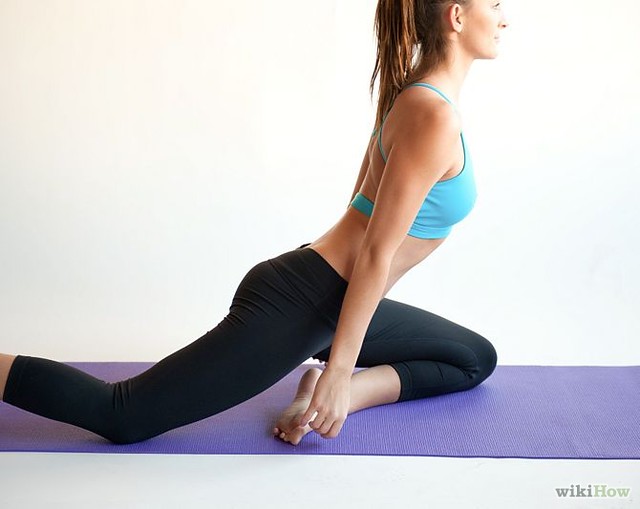
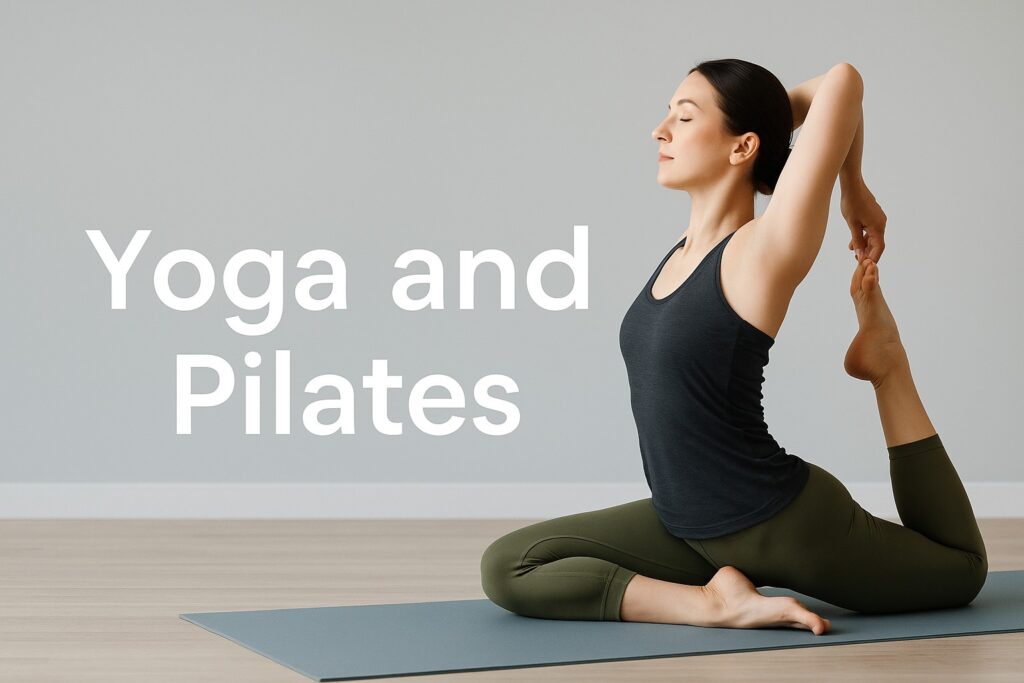
Yoga and Pilates are not “light activities,” but effective methods to build deep strength, joint mobility, and balanced posture.

These practices improve the way the body moves and responds to physical stress, helping reduce tightness, stiffness, and recurring discomfort — especially in people who train with weights, cardio, or calisthenics.

There are also AI tools that personalize routines and track mobility progress.

The goal is to make practice more efficient and better suited to individual needs.

Key Benefits

  • Increased core stability and control
  • Better mobility in hips, shoulders, and spine
  • Reduced pain and injury risk
  • More efficient posture with fewer compensations
  • Improved movement quality and breathing mechanics

Yoga and Pilates for Strength-Focused Athletes

Combining strength training with targeted mobility and control sessions enhances movement quality and load distribution.

This leads to:

  • Better technique in major lifts and bodyweight movements
  • Faster recovery after intense sessions
  • Greater ability to maintain tension and balance

How to Integrate Them into Your Training

  • Short sessions after workouts for specific mobility work
  • Dedicated days for core control and dynamic stretching
  • Slow, technical sequences to improve breathing patterns
  • Preventive routines for neck, back, hips, and shoulders

Primary Goals

The goal isn’t mastering complex poses or acrobatic skills, but making the body more functional, stable, and resilient.

Consistent practice can lead to:

  • More responsive muscles
  • Better joint mobility
  • Smoother movement patterns
  • Less pain and stiffness over time

Flexibility vs. Stability

Yoga and Pilates approach flexibility and stability from different angles, but both are necessary to support efficient, pain-free movement.

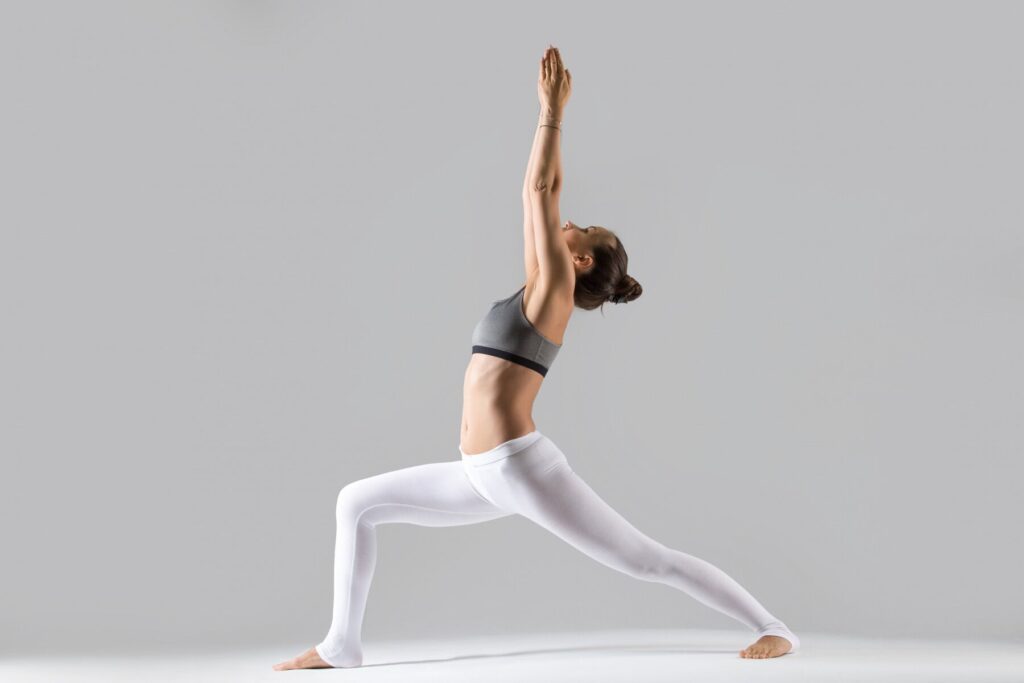
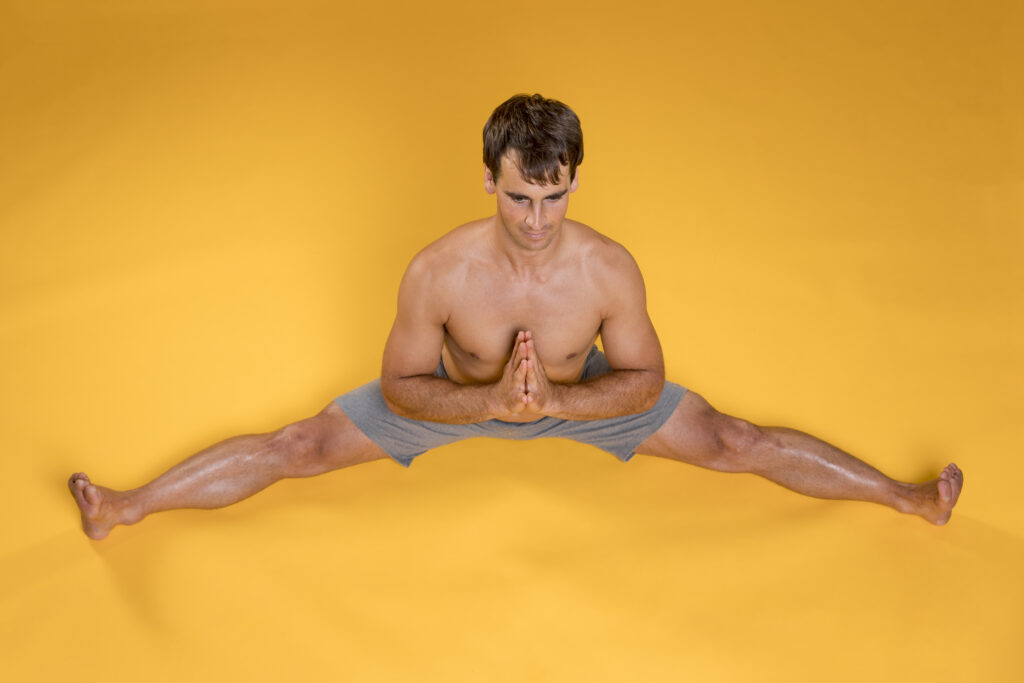
Yoga emphasizes longer ranges of motion and controlled stretching, helping muscles relax and joints access full mobility.

Pilates focuses on precise muscular activation and spinal alignment, reinforcing strength at end-ranges rather than just “loosening up.”

Why This Matters for Performance

Building mobility without control increases the risk of instability, while strength without mobility can limit performance and lead to compensation patterns.

A balanced practice trains the body to access positions safely, control them, and use them under load — directly impacting lifting, running, and daily activity.

By developing both qualities, Yoga and Pilates help the body adapt faster, maintain structure under stress, and produce force efficiently without chronic tightness or pain.

Why-does-my-lower-back-feel-tighter-after-yoga

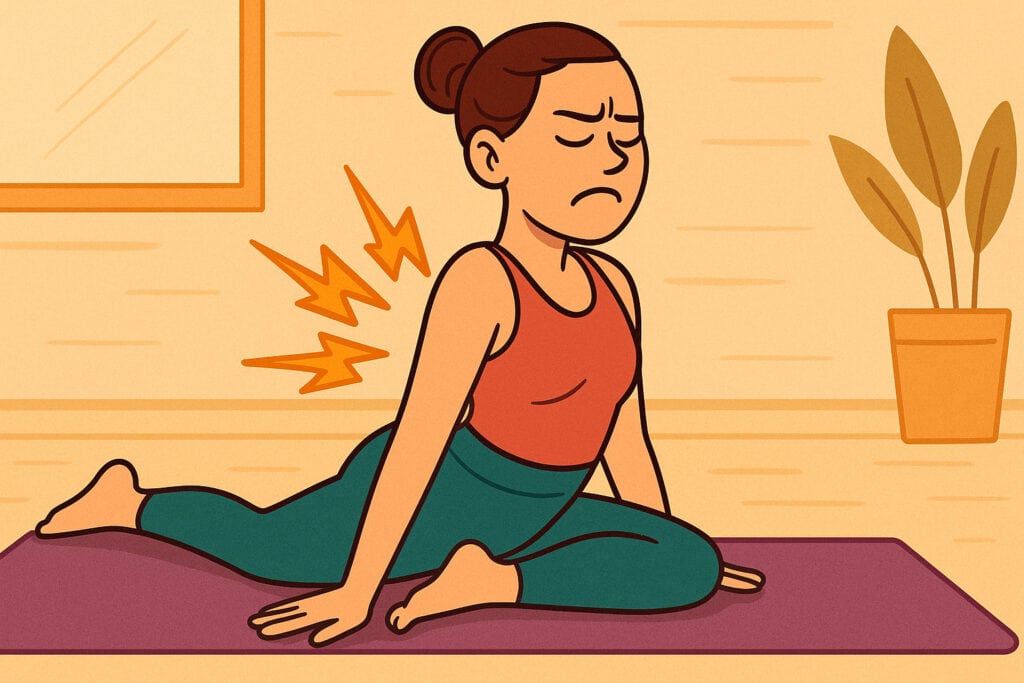
Why does my lower back feel tighter after yoga than before I started?

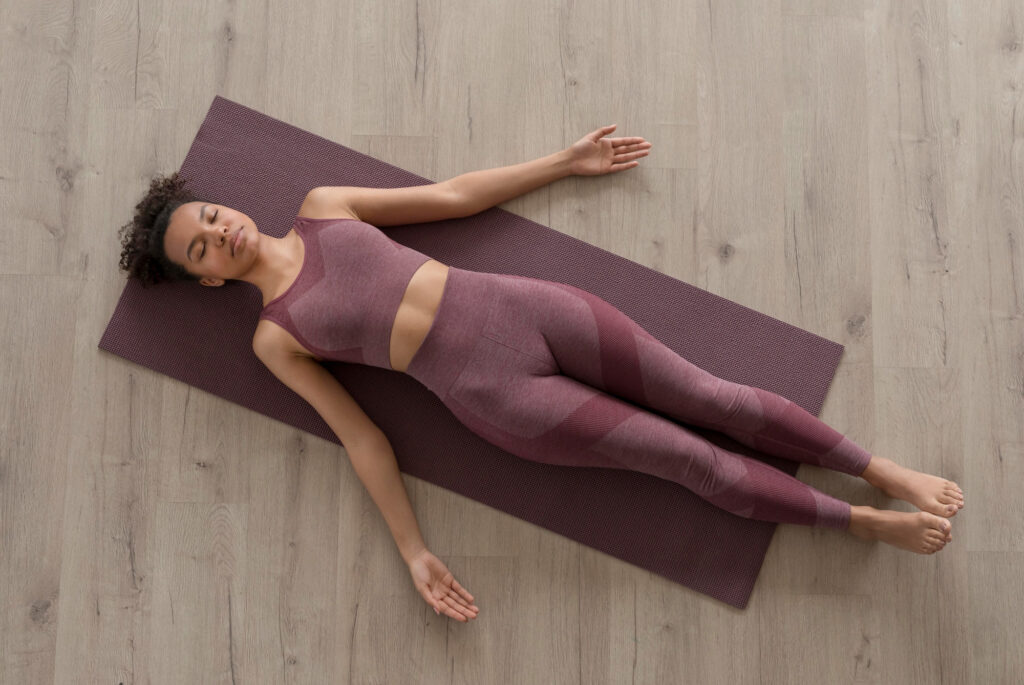
It happens every time. I finish my yoga class, lie down in savasana all peaceful, breathing like a Tibetan monk under the influence of ginger tea, and then I get up… …and my lower back feels tighter than before. Not sore. Not inflamed. Just stiff. Like someone shoved an ironing board in my spine and […]

Why does my lower back feel tighter after yoga than before I started? Read More »
Can-pilates-make-posture-worse-if-core-is-imbalanced

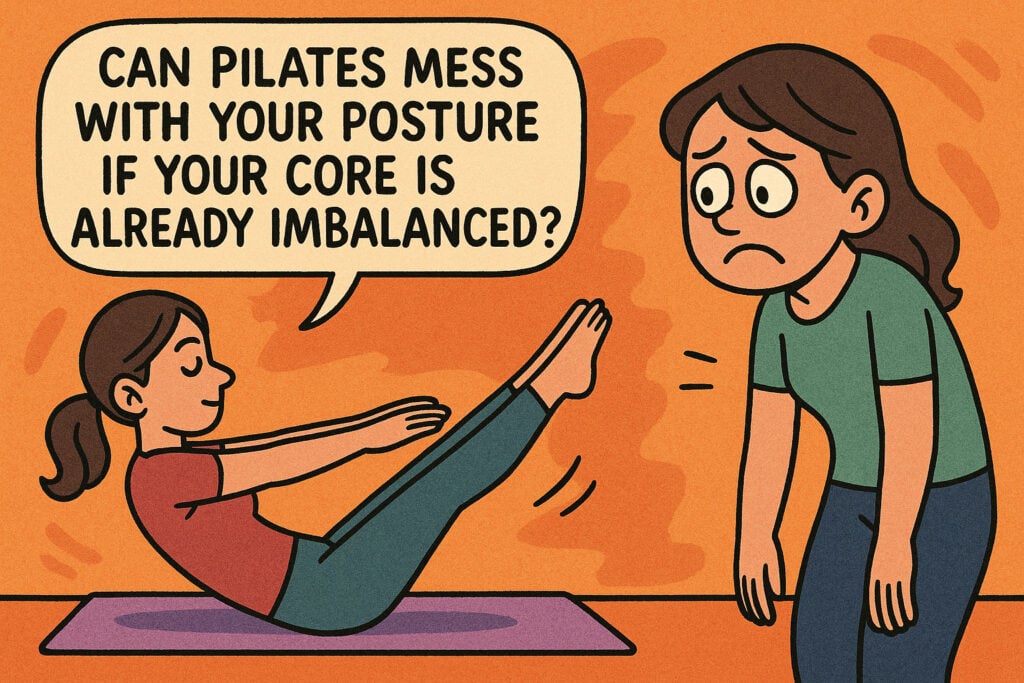
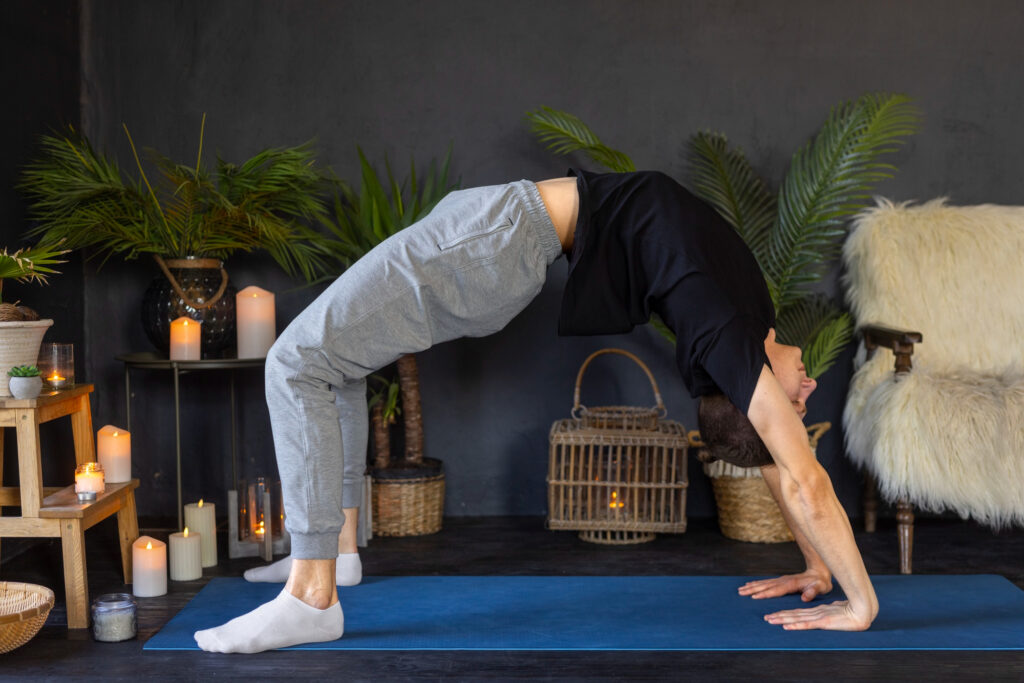
Can Pilates mess with your posture if your core is already imbalanced?

I’ll admit it with no shame: for a while, I was convinced Pilates was the magic cure for every postural issue. Straight spine, mindful breathing, deep core activation, and that elegant sense of control—like a Broadway dancer with functional abs. But then… As the weeks went by, something started to feel off. My lower back

Can Pilates mess with your posture if your core is already imbalanced? Read More »

Why-do-i-shake-more-in-pilates-than-when-lifting-weights

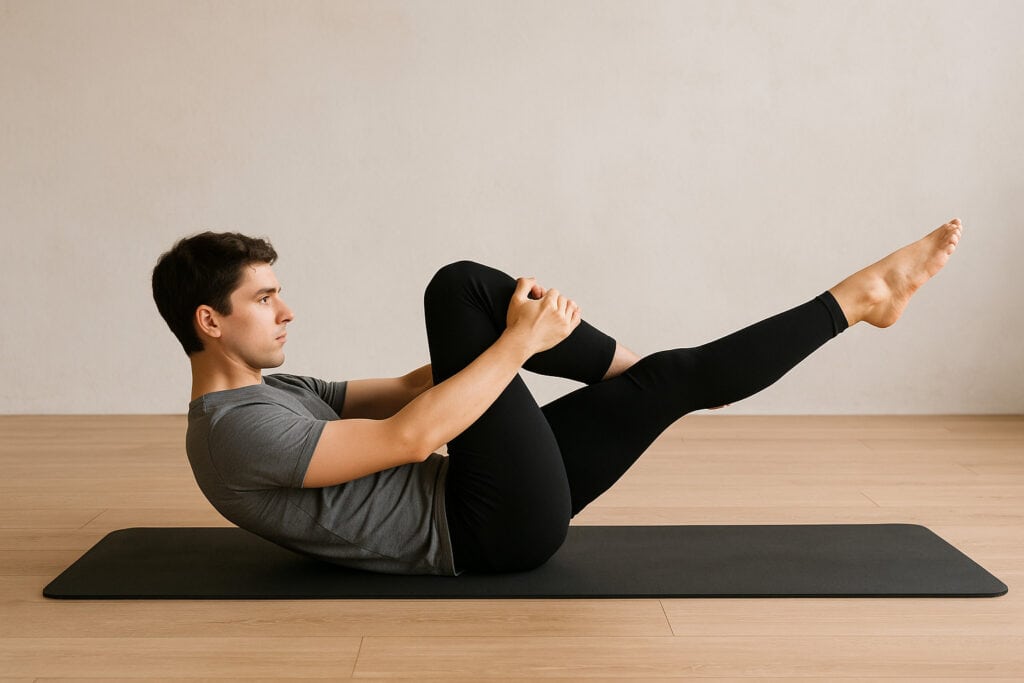
Why do I shake more in Pilates than I do when lifting heavy weights?

Ok, let’s be real right from the start I’ve lifted barbells that made the floor creak. I’ve squatted until I saw stars. I’ve gotten forearm cramps from weighted pull-ups like the world was ending. But then I tried Pilates. And suddenly, while trying to hold what looked like an innocent position with one leg raised

Why do I shake more in Pilates than I do when lifting heavy weights? Read More »

Can-doing-yoga-barefoot-every-day-mess-up-your-foot-arch

Can doing yoga barefoot every day mess up your foot arch?

You rolled out the mat. You did your sun salutation. You breathed, stretched, smiled. Everything felt perfect. Then you drop your left foot into triangle pose… and feel a subtle sting, almost like something underneath just lost tension. You’re a little thrown off. Wasn’t this the part where you were supposed to feel relief, flow,

Can doing yoga barefoot every day mess up your foot arch? Read More »

Can-too-much-yoga-make-your-core-weaker-instead-of-stronger

Can too much yoga make your core weaker instead of stronger?

Sure, it almost sounds like blasphemy. Yoga is synonymous with balance, awareness, stretching, inner peace… And then comes this question that sounds like it came straight from a skeptical bodybuilder forum: “But what if doing too much yoga actually weakens my core instead of strengthening it?” Well, get ready. Because the answer is neither yes

Can too much yoga make your core weaker instead of stronger? Read More »

Does-doing-yoga-after-leg-day-help-or-hurt-recovery?

Does doing yoga after leg day mess up muscle recovery or help it?

Let’s put it this way. You just finished leg day. Your legs are wrecked. Your quads feel like they’re going to explode, your hamstrings are screaming bloody revenge, and your glutes… don’t even register anymore. You’re walking like someone swapped your knees for two rusty pipes. Then someone (probably wearing a suspiciously serene yoga smile)

Does doing yoga after leg day mess up muscle recovery or help it? Read More »