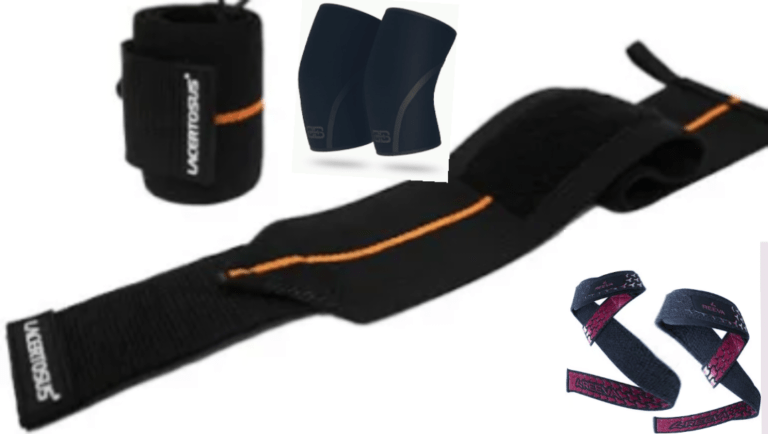

Back then, when neoprene sleeves started showing up on every other lifter, I thought it was pure fashion flex.”
“At the start, I dismissed knee sleeves as nothing more than another overhyped accessory.”
But the day I tried them myself?
Game changer.
Not because I magically added 50 pounds to my squat, but because my knees felt secure, stable, and just… less anxious.
It was like someone had turned down the risk meter inside my head.
What knee sleeves actually do
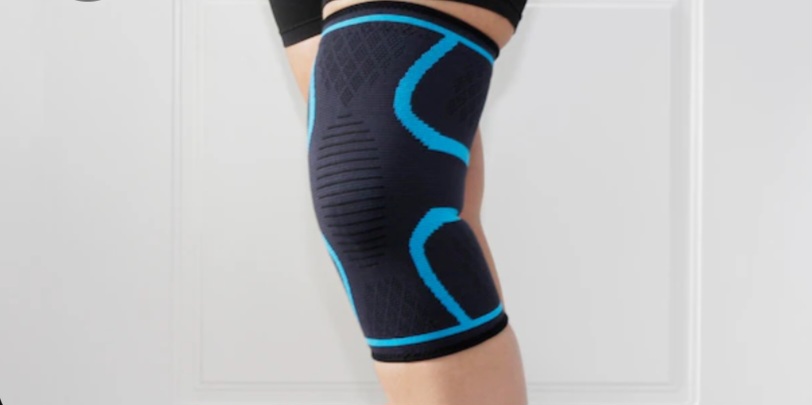
Let’s clear the air: knee sleeves aren’t miracle workers.
Here’s what they really offer:
- Compression → Keeps your knees feeling solid and reduces wobble.
- Warmth → Keeps the joint loose, like oiling a squeaky hinge.
- Support → Gives you that subtle “safety net” confidence at the bottom of a heavy squat.
The first time I wore them, I noticed I stopped overthinking every rep.
No little hesitation before depth. Just smooth movement.
And for me, that was worth every penny.
Why you don’t need to overspend
For the longest time, I assumed good sleeves cost a fortune.
The truth?
You can get solid, durable, supportive sleeves without breaking the bank.
What matters most isn’t the logo—it’s the thickness, fit, and purpose.
Pay attention to those, and you’ll be covered. Literally.
The different “personalities” of sleeves
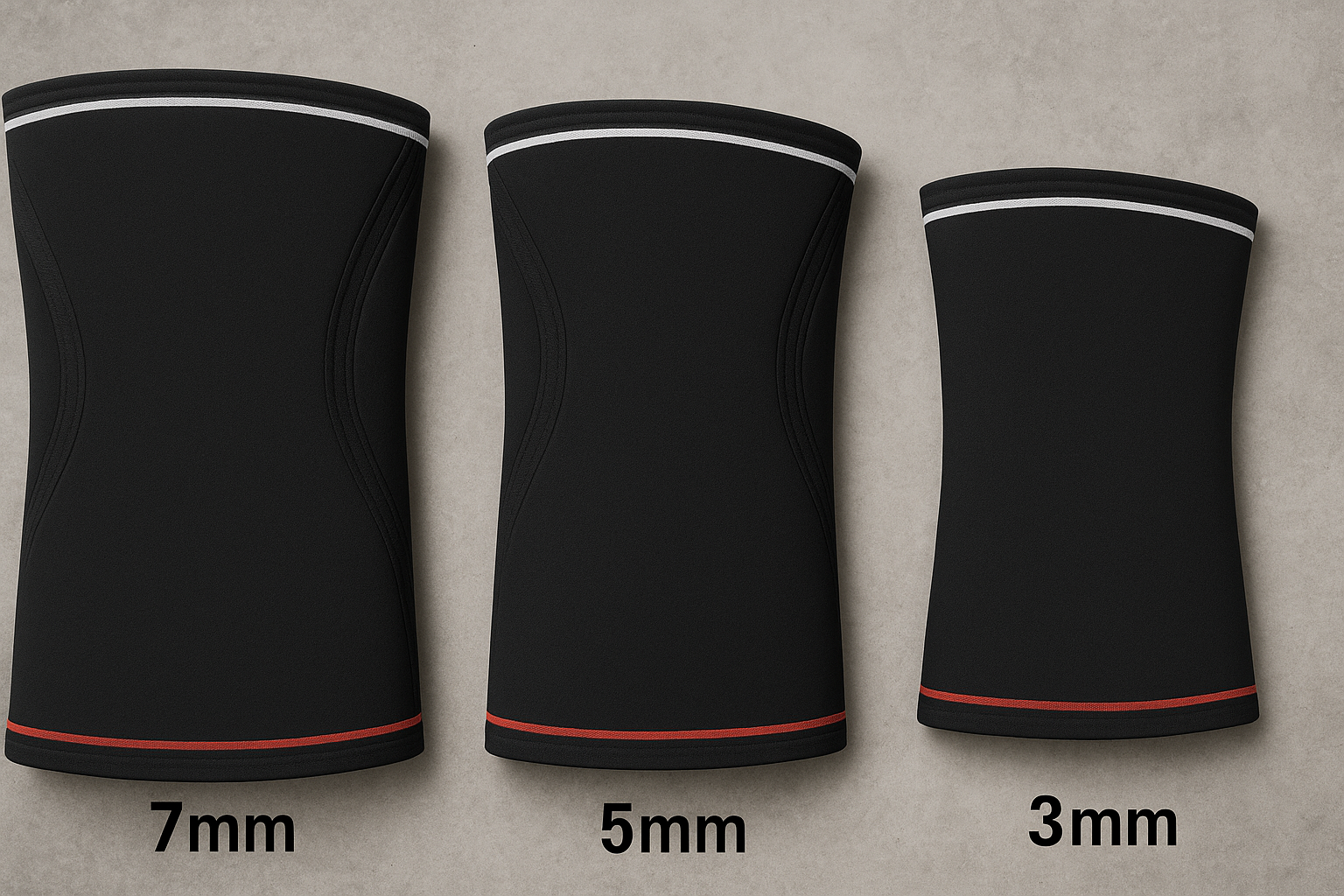
I’ve come to think of sleeves like workout partners. Each type has its own vibe:
Stiff, heavy-duty sleeves
- Usually 7mm thick
- Built for stability and that “bounce” out of the hole
- Ideal for heavy, low-rep days
- Downsides: can feel restrictive for high-volume training
Flexible, mid-range sleeves
- Around 5mm
- A balance of comfort and support
- Great for strength + hypertrophy mixed sessions
- Downsides: less rebound compared to stiffer sleeves
Light, comfort-first sleeves
- Sometimes under 5mm
- Focused on warmth and joint health
- Perfect for high-rep work or beginners
- Downsides: won’t feel as supportive when you’re chasing heavy maxes
How to figure out what you need
Here’s how I make the call:
- Heavy PR attempts? → Stiff sleeves all day.
- Regular strength + muscle-building sessions? → Mid-range sleeves feel just right.
- Light training, high reps, or comfort only? → Go with lighter sleeves.
One thing I’ve learned the hard way: don’t just grab the thickest option thinking “more must be better.” It’s like wearing ski boots to jog—wrong tool for the job.
How to tell if your sleeves actually fit right
Here’s a mistake I made: I ordered sleeves based on my jeans size.
Terrible idea.
Too loose and they slide down mid-squat like sad socks.
Too tight and you’ll spend ten minutes fighting them on, then wonder why your legs are turning purple.
The sweet spot is snug but not suffocating.
I like to do a quick bodyweight squat test—if I feel supported but still natural, that’s the one.
If it feels like concrete wrapped around my knees, nope.
Common mistakes people make with knee sleeves
I’ll admit—I’ve done most of these myself:
- Wearing them as a fashion flex
- Thinking they’ll fix bad squat form
- Using them every single session, even warm-ups
- Buying the stiffest ones without realizing they’d ruin high-rep work
Once I corrected those mistakes, sleeves became a tool—not a crutch.
And my knees thanked me.
What’s Happening Inside Your Knees (In Plain English)
Alright, here’s where the nerd in me comes out.
Compression gear like knee sleeves improves proprioception—which basically means your body is more aware of where your joints are in space.
That awareness keeps your knees tracking better during squats.
Add in improved blood flow and warmth, and you’re looking at less stiffness, smoother reps, and even faster recovery.
When I first read that, it sounded abstract.
But then I noticed something simple: after squat day, my knees didn’t ache as much when I wore them.
Suddenly, the science had a face—my own.
Training scenarios: when to use sleeves and when to skip them

Here’s how I personally rotate them:
- Max effort day → Always. My knees feel like they’ve got backup.
- Volume day → Sometimes. I’ll go with flexible sleeves or none at all.
- Accessory work → Almost never. Too much hassle for lunges or Bulgarian splits.
- Deload week → Never. I want my joints to move naturally when I’m pulling back.
Think of them like coffee: amazing when you need the boost, but not something to rely on 24/7.
Sleeves vs wraps: a quick reality check
At some point, someone will ask, “Why not just use wraps?”
I tried wraps once and hated them.
They felt like tourniquets, took forever to put on, and turned squats into a circus act.
Wraps are for competition lifters chasing every ounce of rebound.
Sleeves are for the rest of us—people who want support, warmth, and confidence without feeling like they’re prepping for battle every set.
What sleeves can’t do
Let me be blunt: sleeves won’t fix garbage form.
If your knees cave in or your heels shoot up, sleeves won’t save you.
They can boost confidence and comfort, but the foundation still has to be smart programming, mobility work, and solid mechanics.
I learned this lesson the day I slapped on sleeves, loaded too heavy, and still felt that awkward grind at the bottom.
Gear helps, but it can’t outsmart bad training habits.
RELATED:》》》 Do Longer Wrist Wraps Actually Give More Support or Just Make Lifting Awkward?
Final thoughts
Here’s the truth: you don’t need to spend a fortune to protect your knees and squat with confidence.
Pick the right type, the right fit, and you’ll have everything you need—compression, warmth, support—without emptying your wallet.
They won’t turn bad squats into good ones.
But they will let you train harder, recover better, and keep stacking plates without worrying your knees are plotting revenge.
And when you’re still squatting strong years from now while others are blaming “bad knees” for skipping leg day, you’ll be glad you invested.
Because muscles can grow back.
Knees?
Not so much.