You know the struggle — small apartments, big fitness dreams, and zero floor space.
You start picturing that sleek foldable treadmill fitting right next to your couch… until you realize your couch is the living room.
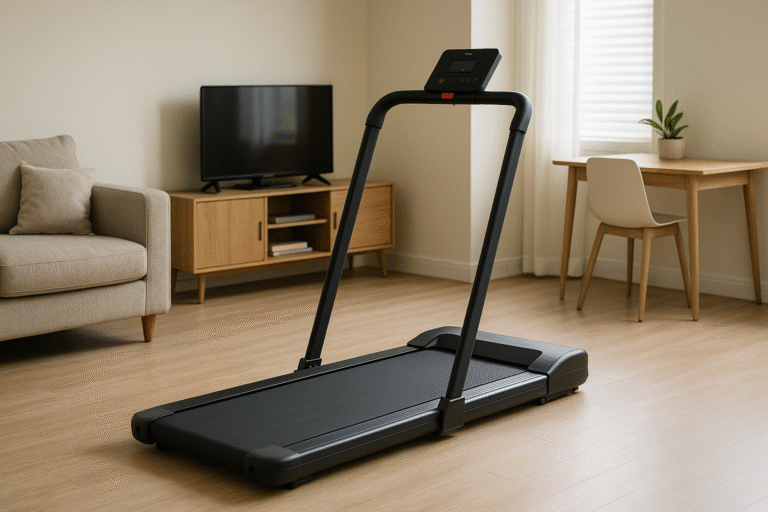
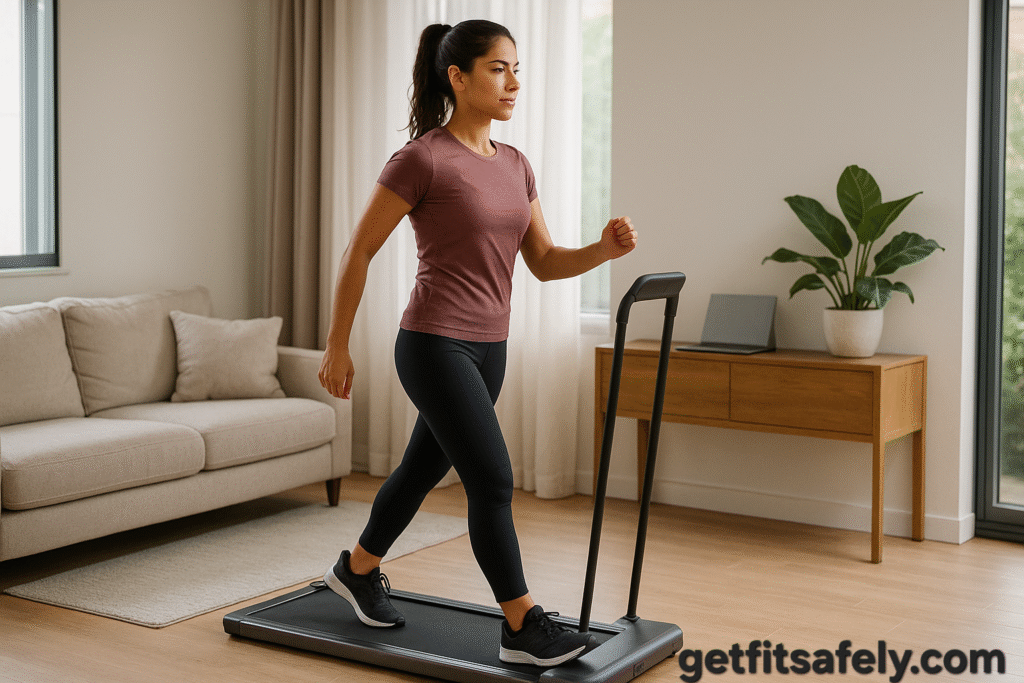
That’s exactly where walking pads started sneaking into the picture — those slim, under-desk, whisper-quiet gadgets that promise to turn your living space into a mini wellness zone.
But can something that small really replace a treadmill you can actually run on?
That’s what I wanted to find out — and after weeks of using both, I’ve got opinions.
Walking pads: the everyday movement hack
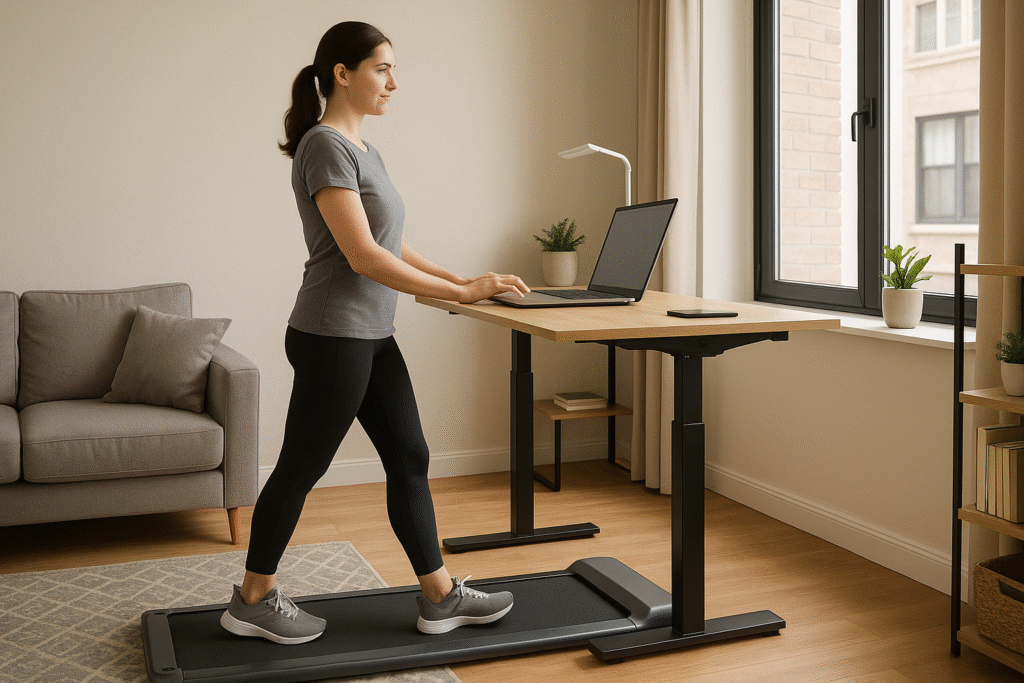
I’ll give walking pads this — they make it incredibly easy to move more without trying too hard.
There’s something strangely satisfying about walking while writing emails, answering messages, or pretending you’re still productive after lunch.
It’s a reminder that fitness doesn’t always need to come from sweat-soaked intensity.
Sometimes it’s about consistency and small choices stacked up through the day.
For people working from home, that’s a game changer.
I’ve found that walking slowly for an hour while doing admin tasks boosts focus and kills that heavy, sluggish feeling that comes from sitting too long.
No pressure.
No “gym mode.”
Just gentle, constant movement that adds up faster than you’d expect.
Foldable treadmills: more muscle, more mission
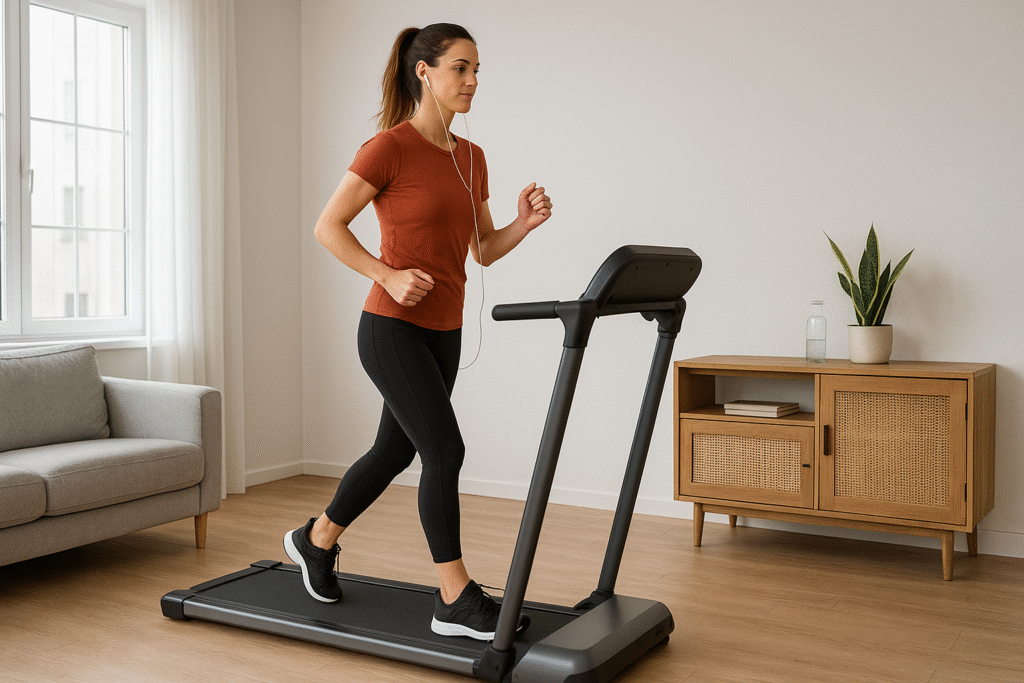
Now, on the flip side, foldable treadmills have a different energy.
They’re for when you mean business.
You want to sweat. You want to train. You want your cardio to count.
Most foldable treadmills go up to 8 or 10 mph, have incline options, and feel closer to the real gym deal.
That matters when you’re trying to challenge your heart rate or build endurance — something walking pads just can’t quite hit.
From my experience, a foldable treadmill feels like a mini version of a “serious workout commitment.”
When you unfold it, you’re saying: “Okay, it’s training time.”
When you’re done, you fold it away — mentally and physically.
It’s structured, it’s intentional, and that’s exactly why it works for people who want progress, not just movement.
If you’ve ever wondered whether those compact models are actually worth the hype,I broke it down in detail here — foldable treadmills actually worth it.
It explains when a foldable treadmill genuinely matches a full-sized one and when it’s just clever marketing.
The space dilemma nobody escapes
Here’s the thing: both machines market themselves as “space-saving,” but that phrase means wildly different things depending on where you live.
In a compact apartment, a walking pad is basically invisible when not in use.
Mine slides under the bed — no drama, no heavy lifting, no rearranging furniture.
A foldable treadmill?
It folds, sure… but it’s still a chunky block of metal that claims a permanent piece of your floor.
I’ve had to choose between “treadmill setup” or “having friends over.”
Guess which one wins on weekends.
So yeah, the pad wins on practicality.
But if you have a dedicated corner, even a small one, a foldable treadmill gives you more room to grow as your training goals evolve.
And if you’re still trying to figure out how much space these things really save,
check out this quick guide — compact treadmills really save space.
It compares footprints, folding styles, and storage tricks that make a difference when your living room doubles as your gym.
How they actually feel
If I’m honest, this is where my opinion really split.
Walking on a pad feels chill, even meditative.
I zone out, catch up on podcasts, and forget I’m technically exercising.
It’s a background rhythm that keeps me sane during long workdays.
But a treadmill session?
That’s focus.
There’s that distinct hum, the bounce of the deck, the moment your body shifts from autopilot to “let’s go.”
It’s almost therapeutic — more intense, but more rewarding too.
It’s like comparing a gentle ocean walk to diving straight into the waves.
Both refresh you, but in totally different ways.
Performance vs. consistency — what science actually supports
I’m not big on quoting endless studies, but here’s the gist of what matters.
Light walking throughout the day — like you do on a pad — improves circulation, cognitive function, and metabolic health.
Basically, it keeps your body awake all day long.
Running or brisk treadmill sessions build endurance, boost cardiovascular capacity, and burn more calories in less time.
That’s your “training effect,” the stuff that reshapes your fitness baseline.
So in practice, walking pads help you maintain health.
Treadmills help you improve it.
Both are valid — it just depends whether you want maintenance or progression.
How to actually choose based on your space
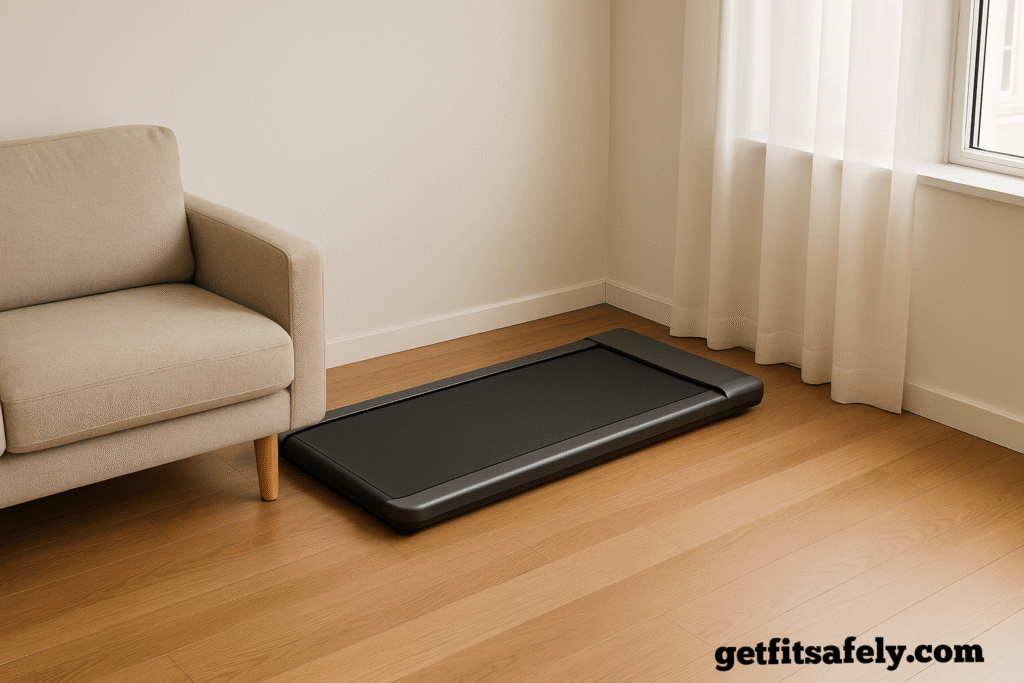
Here’s something most articles skip — how the space itself changes the experience.
If your workout zone is your living room, every inch counts.
A walking pad is ideal if you need something you can stash completely out of sight.
You can pair it with a standing desk, roll it out mid-day, and pretend your office turned into a wellness studio.
But if you’ve got a small dedicated corner — say next to a wall or window — a foldable treadmill gives you more return per square foot.
The ability to jog or add incline makes it feel more like a “real workout station.”
My tip?
Measure before you buy, and test folding/unfolding videos online.
A treadmill that’s too heavy or awkward to move will end up collecting dust faster than a walking pad under your sofa.
What daily use actually looks like
Most people picture themselves using a treadmill or pad for hours.
Reality check — you’ll use it the way it fits your routine.
On my walking pad, I average 40 minutes a day while doing creative work.
It’s low-effort, easy to start, and doesn’t interrupt my flow.
With the foldable treadmill, I need a mental switch — headphones on, water bottle ready, short warm-up.
That ritual gives it more intensity but also more friction.
So it’s not about which is better — it’s about which one removes excuses.
If your biggest obstacle is “not having time,” the walking pad wins.
If it’s “not feeling challenged,” the treadmill wins.
What your body actually gets out of it
From a physiological standpoint, both have clear benefits — just at different levels.
Walking pads stimulate your lower-body muscles continuously throughout the day, improving circulation and keeping the nervous system active.
That’s why you often feel more alert and focused after a light walk.
Foldable treadmills engage more muscle fibers, especially at higher speeds or inclines, and trigger stronger cardiovascular adaptations.
In simple terms, your heart and lungs get stronger faster with that kind of stimulus.
So if your priority is overall health and focus, use the walking pad often.
If your goal is conditioning or fat loss, commit to structured treadmill sessions.
It’s not rocket science — just biology meeting lifestyle.
Who each one is actually for
If your goal is to stay active, rack up steps, and feel less glued to your chair — a walking pad is perfect.
You’ll use it daily because it’s easy, accessible, and blends into your lifestyle.
If your goal is to lose weight, push endurance, or feel that satisfying post-workout buzz — a foldable treadmill is worth the space it takes.
It can handle interval runs, inclines, and longer sessions without burning out the motor (or your motivation).
And honestly, some people thrive using both: pad for weekdays, treadmill for weekend workouts.
That combo works better than trying to pick one “winner.”
See which specs to check (motor, belt size, speed, noise) before you decide:
What Should You Look for When Buying a Compact Treadmill for Small Spaces?.
Final thoughts
Here’s what I’ve learned: walking pads aren’t just “treadmills for lazy people.”
They’re movement tools — quiet, simple, and designed for real-life balance.
But when I need a proper sweat, I’ll still unfold the treadmill and chase that runner’s high.
Both machines solve the same modern problem — lack of space and too much sitting — in their own ways.
The right one for you isn’t the one with better specs.
It’s the one you’ll actually use every single day.