Every lifter dreams of having that “temple of iron” home gym.
The kind of setup where you walk in and feel like you own a mini Gold’s Gym.
But then reality slaps you in the face.
Money.
Space.
Maybe even the fact that your landlord doesn’t appreciate 300 pounds of steel crashing onto the floor.
So the question pops up: Do you actually need a full power rack, or can a simple squat stand get you where you want to go?
I’ve wrestled with this exact dilemma, and the truth is—it depends on more than just how heavy you squat.
The case for the mighty power rack
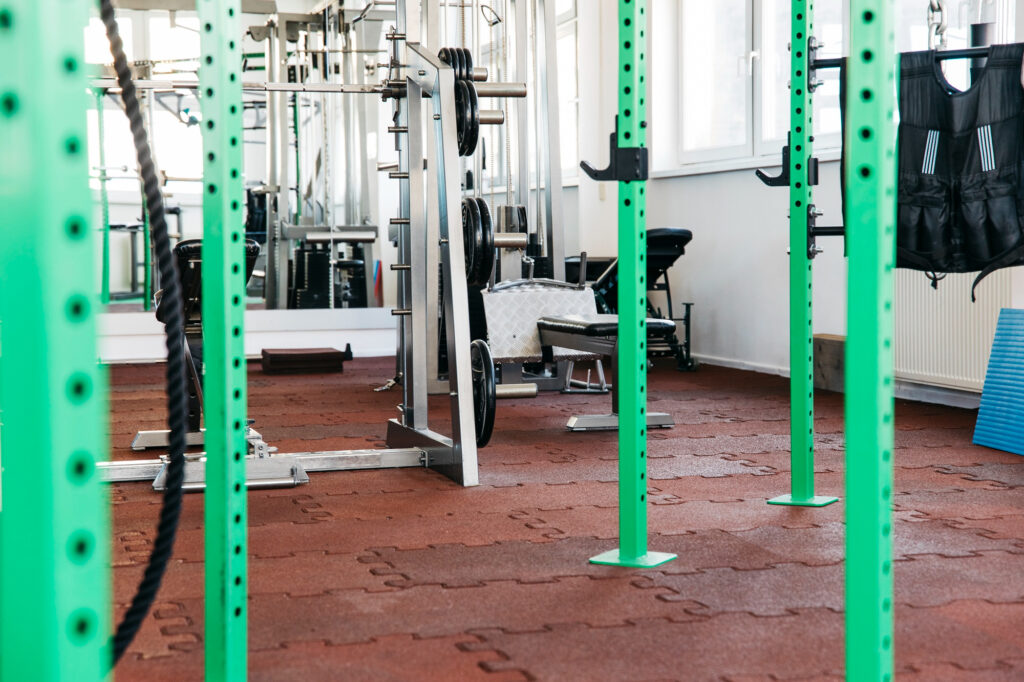
Power racks are like Swiss Army knives in the lifting world.
They’ve got safety pins, adjustable j-hooks, pull-up bars, and more attachments than a kid’s Lego set.
Want to go heavy on squats without a spotter?
The safety bars are your best friends.
Want to bench press solo without the fear of getting stapled?
Again—safety pins save your chest.
I used to think racks were overkill until I had one.
Suddenly, I wasn’t just squatting—I was pressing, rack pulling, and even trying weird stuff like banded pin presses.
It’s like having an entire training playground packed into one steel cage.
And here’s the kicker:
Safety guidelines and position statements recommend using built-in fail-safes (safety bars, pins, or straps) to reduce the risk of serious incidents during barbell lifts. (PH Health, Squat Safeline)
That peace of mind lets you push harder without constantly calculating, “If I fail this rep, will my family have to call the fire department?”
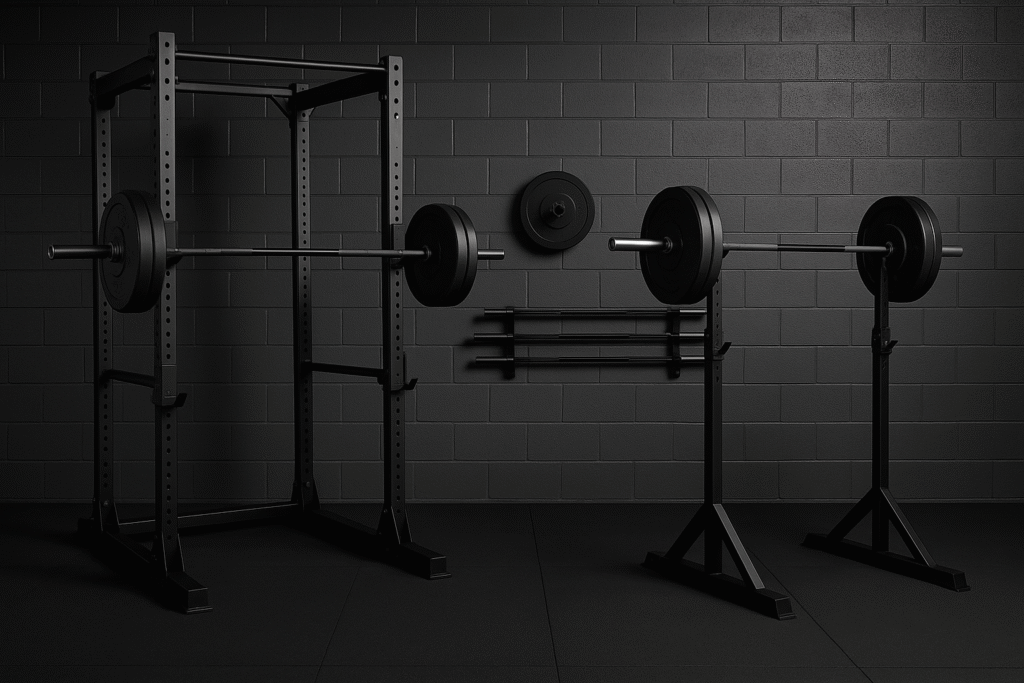
Squat stands: the minimalist warrior
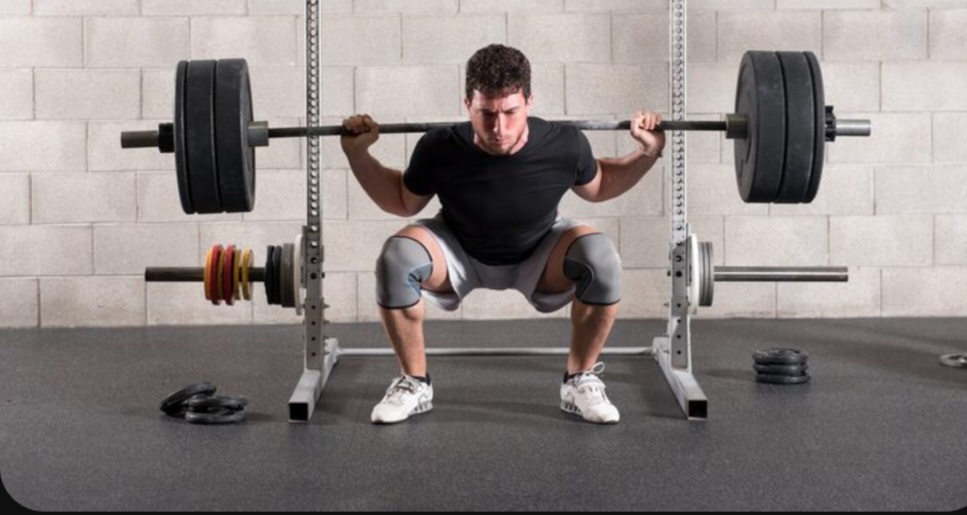
Now, don’t sleep on squat stands.
They might look like the bare-bones cousin of the power rack, but they can absolutely hold their own.
Squat stands are lighter, cheaper, easier to move, and don’t swallow your living room.
If you’ve got a small apartment or a garage gym where space is already a war zone, stands can be a lifesaver.
And yes—they can still support some serious weight.
Plenty of strong lifters train with nothing but squat stands and a barbell.
The trick is that you need to be extra dialed-in with your setup.
There’s usually no safety catch waiting to save you if things go wrong.
So if you’re the type to grind reps until your eyes roll back, a stand might keep you honest—but also a little more vulnerable.
Training style makes the call
Here’s where it gets personal.
Are you chasing big PRs, pushing heavy singles, and training without a spotter?
Then a power rack almost feels like insurance—you’re paying upfront for safety and versatility.
On the other hand, if your sessions are more about volume, hypertrophy, or you just don’t go near max weights often, squat stands might be all you need.
I’ll be honest: most people don’t actually need a full power rack.
But the feeling of security it gives you?
That can be worth every penny if it helps you train consistently and confidently.
Meanwhile, squat stands force you to respect the bar, stay sharp, and not overreach.
It’s like lifting with a coach whispering: “Don’t be reckless.”
The hidden factors nobody talks about
Here’s the stuff that doesn’t get flashy YouTube reviews but matters in real life.
Noise—dropping a bar on safety pins in a rack makes a thunderclap your neighbors will never forgive.
Mobility—ever tried moving a full rack up a narrow flight of stairs?
Yeah, don’t.
Cost—racks can run double or triple what stands cost, and that’s before you get tempted by attachments.
A dip bar here, a landmine there, suddenly your wallet is on life support.
And here’s a sneaky one: discipline.
When you know your rack will save you from bad reps, you might push sloppy lifts more often.
With stands, failure isn’t an option—you get sharper, more technical, because you have to.
It’s almost like training on “hard mode.”
My take and what I’d tell a friend
When people ask me, I don’t give the classic “it depends” and walk away.
I say this: if you’ve got the budget and space, a power rack will give you peace of mind and more variety.
But if you’re just trying to build a solid home gym without selling your soul on Craigslist, squat stands are 100% enough to get strong, jacked, and confident.
Remember—the barbell doesn’t care if it’s sitting in a $1,000 rack or a $200 stand.
It only cares about whether you show up and lift it.
So pick the gear that makes you excited to train, not the one that Instagram says is cooler.
At the end of the day, the best equipment is the one that actually gets used.
And between you and me?
I’d rather see someone smashing squats on a pair of stands than letting a power rack sit there as a very expensive clothes hanger.
Accessories and add-ons: do they really matter?
One thing that tips the scale toward power racks is all the toys you can bolt onto them.
Dip bars, cable pulleys, landmine attachments—it’s like building your own theme park of pain.
These extras can turn your rack into a full-body station, saving you from buying separate machines.
But here’s the truth: most lifters never actually use half the attachments they get hyped about.
It’s like buying a fancy blender that also makes soup, ice cream, and peanut butter—but all you ever do is make smoothies.
If you know you’ll actually use the add-ons, racks are a killer investment.
If not, squat stands keep you honest and focused on the basics.
Safety isn’t just about equipment
This one gets overlooked.
You can own the sturdiest power rack in the world, but if you don’t set it up right, it’s useless.
I’ve seen people bench with safety pins set too low, squat with the bars at knee level, and basically turn their “safety net” into decoration.
On the flip side, even with squat stands, smart lifters train safely by controlling the bar path, bailing properly, and respecting their limits.
It’s not just the gear—it’s the lifter’s mindset that keeps training safe.
When it’s worth upgrading
Here’s the final piece most people skip: timing.
You don’t need to start your lifting journey with a massive rack that costs as much as your car insurance.
Build strength with squat stands, learn how your body moves, and earn the right to upgrade when you’ve outgrown the setup.
Think of it like cars—you don’t buy a Ferrari as your first ride.
You start with something reliable, learn the road, and then move up when you’re ready to handle more horsepower.
Your equipment can grow with you.
That way, you invest smarter and appreciate the upgrade when it finally comes.
The upgrade curve: when a stand isn’t enough (yet)
Squat stands are like that reliable old car you drove in college.
Gets you from point A to B, no problem.
But at some point, you start craving a little more horsepower.
Same with lifting.
When you’re pushing past your old PRs, chasing heavier singles, or experimenting with new accessories, a simple stand starts to feel… small.
That’s usually the moment the rack starts calling your name.
When a lift fails—what actually happens (stand vs rack)
Here’s the part nobody likes to talk about: failing a rep.
Inside a rack, you drop onto safety pins, dust yourself off, and live to fight another set.
On squat stands, it’s different.
You either bail clean, roll the bar forward, or pray your flooring doesn’t hate you forever.
Sure, some stands have spotter arms, but they’re not always built for monster weights.
So it’s less about “will I fail?” and more about “when I do, what’s my escape plan?”
RELATED:》》》Are Cheap Squat Racks Safe for Heavy Lifting?
Wrapping it up
At the end of the day, it’s not about the size of the steel.
It’s about whether you show up, rack the bar, and move some damn weight.
A power rack is peace of mind, a training playground, and a fortress if you’ve got the space and cash.
Squat stands are freedom, simplicity, and focus if you’re working with limits.
Both can get you strong.
Both can build muscle.
The real question is—which setup makes you more excited to train?
Pick that one.
Because the gear doesn’t lift for you.
You do.
And the only bad choice is the one that keeps you from squatting today.