Hey there!
Ever caught yourself thinking, “Man, I wish I could touch my toes without feeling like I’m about to snap in half”?
Trust me, you’re not alone.
Stretching can be a real challenge, especially if flexibility isn’t exactly your middle name.
But what if I told you that the future of stretching is here, and it’s way cooler than you might think?
Yep, we’re talking about AI-driven yoga.
It’s not just some sci-fi concept—it’s happening right now, and it might just revolutionize the way you approach flexibility.
So grab your yoga mat (or a comfy spot on the floor), and let’s step into this exciting mix of ancient practice and cutting-edge technology.
From Stiff as a Board to Bending with Ease
Let me start with a little confession.
Despite over 20 years of training—calisthenics, weights, and even some gymnastic moves—flexibility was never my thing.
Sure, I could nail a handstand or crank out muscle-ups, but ask me to touch my toes?
That was a whole different story.
Tight hamstrings and a focus on strength over stretching didn’t exactly help.
I’d get halfway down and feel like my legs were pulling the brakes.
I remember trying a yoga class a few years back.
While others folded into poses like pretzels, I was over here wobbling and wondering if flexibility just wasn’t in the cards for me.
It was humbling, to say the least.
But then I discovered AI-driven yoga, and everything started to click.
Not overnight, of course, but little by little, I saw improvements.
And the best part?
I was doing it all from my living room—no judgment, no pressure, just progress.
What Exactly Is AI-Driven Yoga?
Alright, let’s break it down.
Artificial Intelligence, or AI, is basically smart technology that can learn and make decisions.
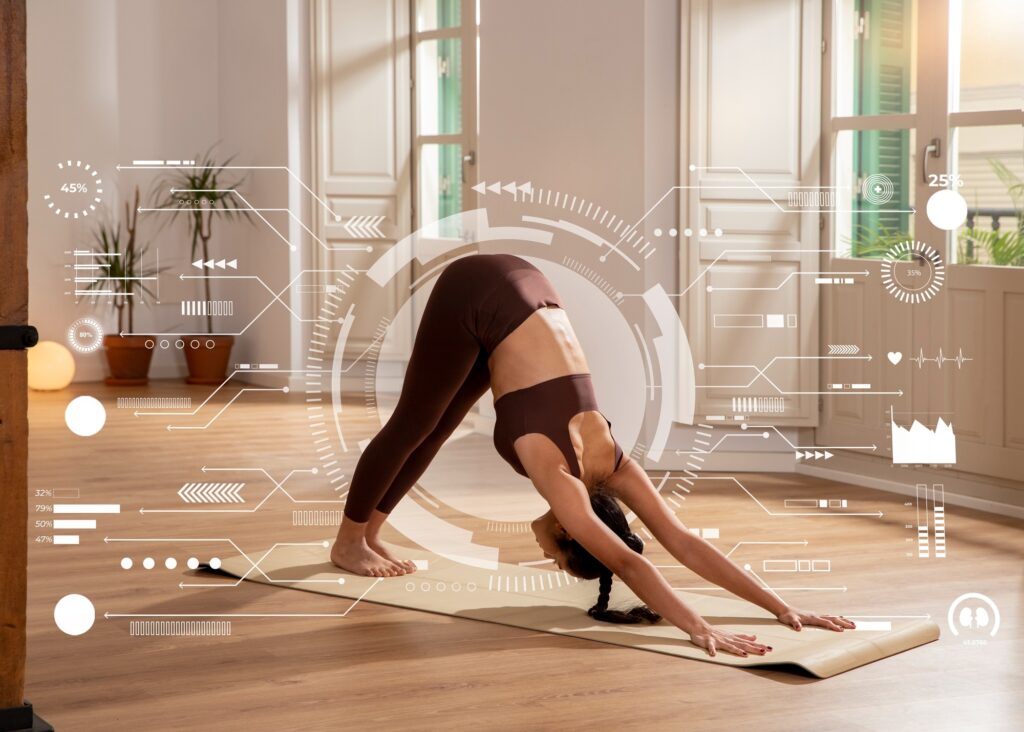
When it comes to yoga, AI-driven platforms use cameras, sensors, and algorithms to analyze your movements in real-time.
Think of it as having a personal yoga instructor who’s always available, ready to guide you through each pose.
But instead of a human, it’s an intelligent system that adapts to your needs.
Why Traditional Yoga Classes Didn’t Work for Me
Don’t get me wrong.
There’s something special about practicing yoga in a studio with others.
The ambiance, the collective energy—it’s great.
But for people like me, who aren’t naturally flexible or who might feel self-conscious, it can be intimidating.
I often found myself comparing my progress to others, which isn’t exactly the Zen mindset yoga promotes.
Plus, fitting classes into a busy schedule can be tough.
That’s where AI-driven yoga comes in.
It offers a personalized experience without the pressure.
The Technology Behind the Magic
So how does it all work?
Most AI yoga apps use your device’s camera to observe your movements.
But don’t worry, it’s secure, and many apps ensure your privacy is protected.
The AI analyzes key points on your body—like joints and limbs—to understand your posture and alignment.
It then provides feedback in real-time, suggesting adjustments to improve your form.
Some advanced systems even use motion sensors or wearables to gather more data.
It’s like having a yoga teacher with x-ray vision!
Personalization: Yoga Tailored Just for You
One size doesn’t fit all, especially in yoga.
Everyone’s body is different.
Maybe you have tight hips, or perhaps your shoulders need some extra love.
AI-driven yoga takes these nuances into account.
The system learns from your sessions, identifying areas that need improvement.
Over time, it adjusts the routines to focus on your specific needs.
For me, it was my lower back.
The AI started incorporating poses that gently stretched and strengthened that area.
And guess what?
My back pain started to ease.
Breaking Down Poses: Step-by-Step Guidance
Another thing I love about AI yoga is the detailed instruction.
Traditional classes can sometimes move quickly, and it’s easy to fall behind.
With AI, each pose is broken down step by step.
The system can pause, repeat instructions, or spend more time on a challenging pose.
If you’re not getting it quite right, the AI will point out exactly what’s off.
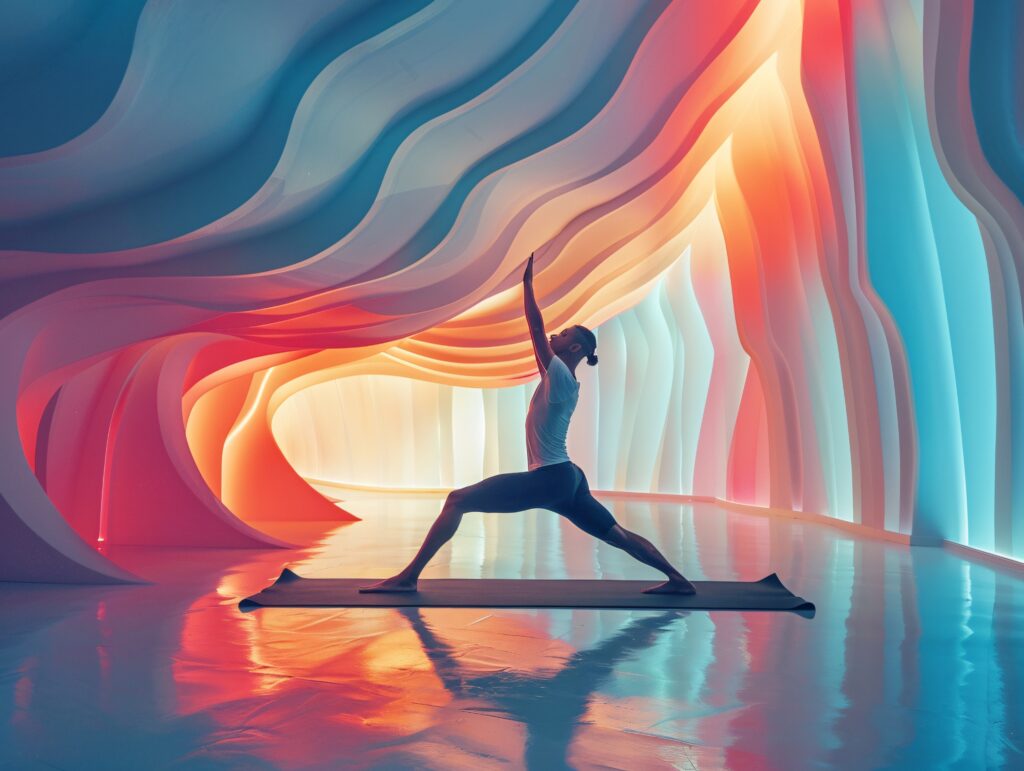
Maybe your knee isn’t aligned properly in Warrior II, or your spine isn’t straight in Mountain Pose.
These small corrections make a big difference.
Flexibility Meets Convenience
Life gets busy.
Between work, family, and everything else, finding time to attend a class can be tricky.
AI-driven yoga fits into your schedule.
Early morning before the house wakes up?
Late at night after the kids are in bed?
No problem.
Your virtual instructor is always ready.
Plus, you save time on commuting and can practice in your PJs if you want.
It’s all about making yoga accessible and stress-free.
Building Confidence in Your Practice
Starting something new can be daunting.
I remember feeling self-conscious in group classes, worried that I was doing it all wrong.
Practicing with AI at home allowed me to build confidence.
Without the eyes of others on me, I could focus entirely on my practice.
And as I improved, that confidence spilled over into other areas of my life.
I started attending the occasional studio class again, feeling much more at ease.
Integrating Mindfulness and Meditation
Yoga isn’t just about physical poses; it’s also about mindfulness and inner peace.
Many AI-driven platforms include guided meditations and breathing exercises.
The AI can even detect your stress levels through biometrics if you’re using a compatible device.
Feeling anxious?
The system might suggest a calming meditation or gentle restorative poses.
It’s a holistic approach that nurtures both body and mind.
Virtual Reality Yoga: Stepping into Another Dimension
Now, let’s talk about taking things up a notch.
Ever imagined practicing yoga on a serene beach at sunset or atop a peaceful mountain?
With Virtual Reality (VR) yoga, you can immerse yourself in stunning environments without leaving your home.
I recently tried a VR yoga session, and let me tell you, it was surreal.
Wearing a VR headset, I found myself in a tranquil forest, guided through poses by a virtual instructor.
The combination of immersive visuals and AI feedback elevated my practice to a whole new level.
It’s not just a workout—it’s an experience.
Breathing Apps: The Power of Pranayama Meets Technology
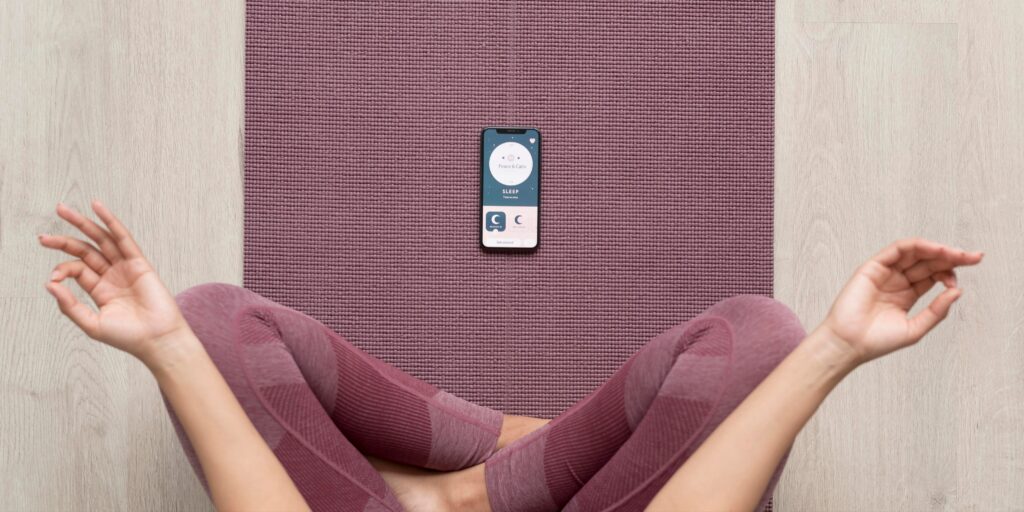
Breathing is a cornerstone of yoga.
But mastering pranayama techniques can be challenging without guidance.
Enter AI-powered breathing apps.
These tools provide real-time feedback on your breathing patterns.
Using sensors or wearable devices, they monitor your breath’s depth, pace, and rhythm.
The app might prompt you to inhale more deeply or slow down your exhale.
I’ve found that incorporating these apps into my practice has significantly enhanced my mindfulness and relaxation.
The Verdict: A Complement, Not a Replacement
In my experience, AI-driven yoga doesn’t have to replace traditional classes—it can complement them.
I still enjoy attending studio classes occasionally, especially for the community vibe and deeper learning.
But the convenience and personalization of AI yoga keep me consistent in my practice.
It’s about finding what balance works best for you.
Teachers and AI: A Dynamic Duo in Yoga Instruction
Now, here’s an interesting thought.
What if yoga teachers and AI teamed up?
Could this partnership enhance the learning experience?
Many instructors are beginning to integrate AI tools into their teaching.
For example, during virtual classes, teachers can use AI analytics to monitor students’ form.
This allows them to provide more precise feedback, even from a distance.
In studios, AI can assist in tracking students’ progress over time, helping teachers tailor their instruction.
It’s not about replacing the human element but enriching it.
As a teacher friend of mine said, “AI gives me superpowers to help my students more effectively.”
Overcoming Tech Hesitations
I get it—technology can be intimidating.
But these platforms are designed with user-friendliness in mind.
Setup usually involves downloading an app, granting camera access, and following on-screen prompts.
If you can navigate a smartphone, you can handle AI yoga.
And if you run into issues, most services offer customer support.
Don’t let the fear of technology hold you back from trying something that could genuinely benefit you.
Exploring Different Styles of Yoga
Yoga isn’t monolithic.
There are various styles—Hatha, Vinyasa, Yin, Restorative, and more.
AI-driven platforms often offer multiple styles to choose from.
Curious about a more dynamic flow?
Want to unwind with a slow, meditative session?
You have the flexibility to explore and find what resonates with you.
It’s a fantastic way to keep your practice fresh and engaging.
Incorporating Music and Atmosphere
The ambiance can make a big difference in your yoga experience.
Many AI yoga apps allow you to customize background music or sounds.
Whether you prefer calming nature sounds, soft instrumental music, or guided silence, it’s up to you.
Some even adjust the music tempo based on the pace of the session.
It’s these little touches that make the practice more enjoyable and personalized.
The Science Behind the Stretch
If you’re a bit of a nerd like me, you might appreciate the science involved.
AI algorithms analyze data points to optimize your practice.
They consider factors like joint angles, balance, and muscle engagement.
Some apps provide analytics, showing you areas of improvement and progress over time.
It’s fascinating to see the data behind your flexibility journey.
And it adds an extra layer of motivation to keep going.
Accessibility for Those with Limitations
AI-driven yoga is not just for the able-bodied.
Many platforms offer adaptive yoga options for people with physical limitations or disabilities.
The AI can modify poses to suit your abilities, ensuring you still reap the benefits.
This inclusivity opens doors for many who might have felt yoga wasn’t accessible to them.
Cost Comparison: Studio Classes vs. AI Yoga
Yoga studios can be pricey.
Monthly memberships, drop-in fees—it adds up.
AI-driven yoga often offers a more affordable alternative.
Many apps have free versions or affordable subscriptions.
You’re getting personalized instruction without breaking the bank.
And let’s not forget the savings on gas and time.
It’s an investment in yourself that offers significant returns.
Potential Drawbacks and How to Mitigate Them
No solution is perfect.
Here are some potential downsides and tips to handle them:
– Technical Glitches: Technology isn’t foolproof. If you experience issues, try restarting the app or device. Keep software updated to minimize bugs.
– Lack of Human Touch: While AI provides guidance, it doesn’t replace human empathy. Consider supplementing with occasional studio classes or virtual sessions with live instructors.
– Motivation: Practicing alone requires self-discipline. Setting a regular schedule and joining online communities can help keep you on track.
– Equipment Needs: Ensure you have a device with a good camera and a stable internet connection. This might require an initial investment.
The Best Yoga Apps to Elevate Your Practice
Let’s talk about the apps that are making yoga smarter, more fun, and way more convenient.
These aren’t just tools—they’re like having your own yoga studio that fits in your pocket (and doesn’t judge if you’re practicing in pajamas).
Here are the stars of the show:
– Alo Moves
This one’s like the VIP lounge of yoga apps. Alo Moves gives you access to top instructors and a massive library of classes, from calming flows to “how is that even possible” advanced poses. While it doesn’t have full AI, the instructors guide you so well it feels like they’re right there. I’ve used it on days when I needed both a stretch and a pep talk, and it delivers every time.
– Asana Rebel
For those who want yoga with a side of fitness, Asana Rebel is the go-to. It’s perfect if you want to feel like you’re doing more than just stretching—it mixes cardio, strength, and yoga into one session. Plus, its tailored recommendations mean you’ll always find something that matches your energy level (or lack of it).
– Down Dog
If you haven’t tried Down Dog yet, you’re missing out. It’s basically yoga on demand, and the best part? You control everything. Want a calming flow with mellow music? Done. Prefer a fast-paced Vinyasa with upbeat tunes? It’s got you. Every session feels custom-made—perfect for when I’m feeling picky about my practice.
– FitOn
FitOn is like the overachiever of fitness apps, and its yoga section doesn’t disappoint. There are routines for every mood: relaxation, recovery, or just quick stretches to shake off the day. Oh, and did I mention it’s free? I mean, who doesn’t love free?
– Yoga Studio by Gaiam
This app is all about curated yoga vibes. You get access to pre-made classes organized by themes like flexibility or relaxation. It’s like a yoga buffet—you pick exactly what you’re in the mood for. And if you’re a data nerd like me, it syncs with Apple Health so you can see your progress.
– MyYogaWorks
This one’s for the planner in all of us. MyYogaWorks has over 1,300 classes, and its structured programs make it easy to stick with a routine. It’s great for beginners or anyone who wants to stay consistent without overthinking it.
RELATED:>>> How AI is Transforming Mobility and Wellness for Seniors
Final Thoughts
So, is AI-driven yoga the future of flexibility?
I believe it’s a significant part of it.
It’s making yoga more accessible, personalized, and engaging.
Whether you’re a seasoned yogi or a curious newbie, there’s value to be found.
Why not take a leap (or a gentle stretch) and explore what AI yoga has to offer?
You might just discover a new passion, improve your health, and have some fun along the way.
So, roll out that mat, fire up your device, and let’s step into the future together.
Are you in?