There’s this funny moment that happens when you start building your home gym.
You swear you’re going to keep it simple — just a mat, some dumbbells, maybe a resistance band or two.
Fast forward a few months, and suddenly your living room looks like a CrossFit box got shrunk in the dryer.
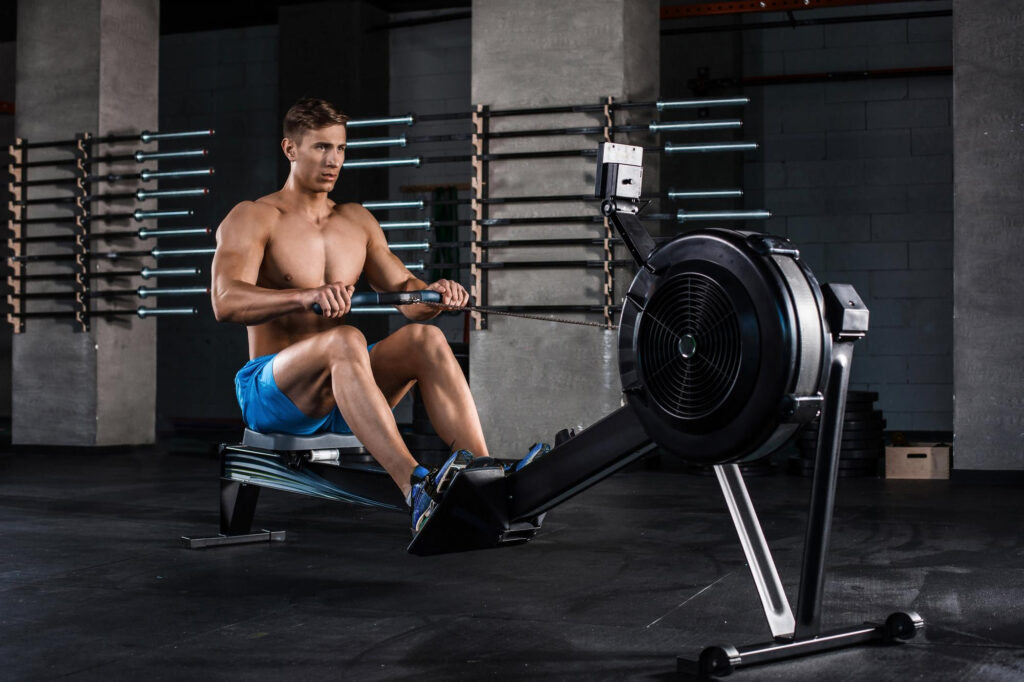
And if you’re eyeing a rowing machine, that’s where the real spatial math begins.
Compact or foldable?
One promises sleek, minimalist design. The other promises a disappearing act when you’re done. But which one actually fits better in a small apartment and gives you a good workout?
Let’s row into it.
Compact Rowers: The Small-Tank Workhorses
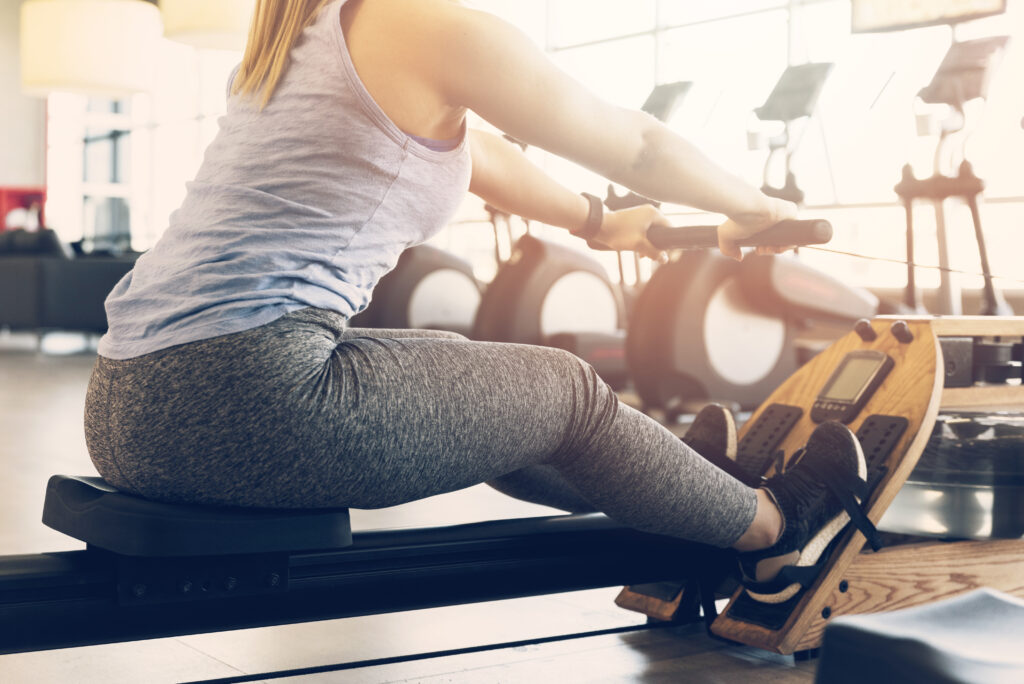
A compact rower is like the minimalist athlete of the fitness world.
It doesn’t fold. It doesn’t transform. It just… exists — quietly and efficiently, taking up less space than a full-size erg.
You’ll often find them with a shorter rail, a smaller tank or flywheel, and a lower overall footprint.
Perfect if your “home gym” is actually your kitchen corner.
But here’s the thing — that smaller size comes with trade-offs.
Some models (especially the really short ones) can feel tight if you’re tall.
Your stroke length might be slightly limited, and if you’re used to a full glide on a Concept2 or WaterRower, you’ll notice the difference.
Still, many compact water rowers manage to preserve a surprisingly authentic feeling — that smooth, cyclical pull, the gentle swoosh of the water, and that sense that you’re powering something real instead of fighting a cable.
They’re also solidly built. No creaking hinges, no wobbly folding parts. Just a low-profile tank and frame that look good enough to leave out even when you’re not using it.
So if you’re someone who values aesthetic permanence and a clean, ready-to-go setup, compact rowers are your people.
They’re like the friend who’s always early, never dramatic, and doesn’t mind staying in one place.
Foldable Rowers: The Space Magicians 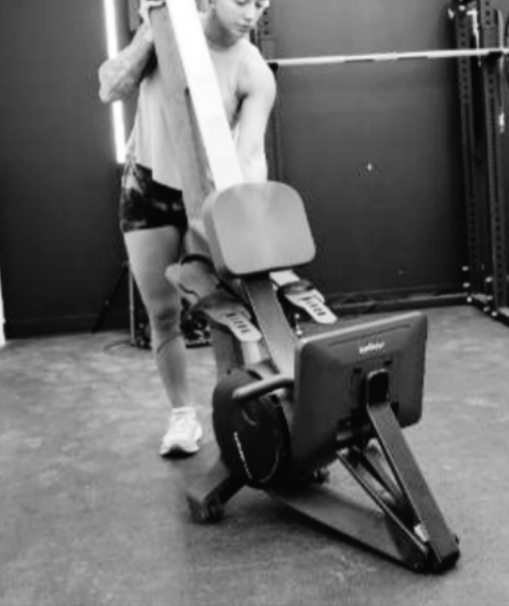
Now, foldable rowers — these are the magicians of small-space fitness.
You finish your session, fold it up, and the thing vanishes like it never happened.
If you live in a studio apartment, this feature alone might make you cry tears of joy.
Most modern foldable rowers are built with a hinge mechanism that lets you lift the rail vertically or fold the entire frame in half. Some use gas-assist lifts, others simple pins.
The big advantage?
You can reclaim your living space after every workout.
Need to host a dinner, a date night, or just not trip over your own gym equipment? Foldable wins.
But there’s a catch — and it’s one you’ll notice if you’re a detail person.
That hinge mechanism, while super handy, can sometimes create slight flex or vibration during powerful strokes.
It’s not dangerous, just noticeable — especially if you’re the type who loves going all-out on sprints or intervals.
Also, foldable rowers often weigh less, which makes them easier to move but also slightly less stable on intense pulls.
Performance Face-Off: Which Feels Better to Use?
Let’s get one thing straight — both types can absolutely torch your lungs and legs.
But how they feel during a session? That’s where things separate.
- Compact rowing machines usually give you a more grounded, rigid feel — like rowing on a dock anchored to the floor. Every pull feels direct.
- Foldable rowers can feel slightly springier, especially during the drive phase, because of their lighter structure and hinge system.
For some people, that spring adds a nice rhythm.
For others, it feels like energy lost instead of transferred.
And if you use water resistance, compact rowers often shine because their tank stays perfectly horizontal. Foldable ones sometimes tilt slightly when folded, which can make the water shift unevenly if not positioned right.
It’s not a dealbreaker — just one of those subtle details you only notice after a few sweaty sessions.
Durability and Maintenance: The Hidden Side of Convenience
Here’s a less-sexy topic that matters more than most people admit — rower durability.
Compact rowers tend to last longer, simply because there are fewer moving parts that can loosen or squeak.
Foldable rowers, with hinges and joints, require a bit more care — periodic tightening, maybe a lubrication here and there.
Not a big deal if you treat your equipment like a car you actually maintain. But if you’re the “out of sight, out of mind” type, compact might save you headaches down the road.
Space and Setup: What “Compact” and “Foldable” Really Mean in Practice
Most product pages love to throw around the words “space-saving,” but in real life, that means wildly different things depending on your apartment.
A compact rower can be as short as 70–80 inches, while a foldable model might stretch to 90+ inches when unfolded but collapse to less than half that when stored vertically.
That means if you’ve got a long hallway or a free corner near a wall, compact might actually fit better — no setup, no fold-down process.
If you’re in a micro-studio where every square inch counts, foldable wins simply because it disappears.
Still, here’s what most people don’t consider: you need clearance for the seat to glide and for your body to extend.
Even a foldable rower needs 7–8 feet of length when in use. So whether it folds or not, you’re still devoting that space during your workout — it just depends on what happens afterward.
Real-World Comfort: Height, Stroke, and Ergonomics
If you’re tall — like over 6 feet — this part matters a lot.
Some compact models cut rail length to save space, but that also shortens your stroke.
That means you’ll either bump against the end of the slide or you’ll have to shorten your range of motion. Not a huge deal for cardio, but noticeable if you’re chasing perfect rowing form.
Foldable rowers often preserve full-length rails, which gives taller users better mechanics.
But again, they’ll occupy more space when unfolded.
Another ergonomic difference? Seat height.
Compact models often sit lower, which can be uncomfortable for anyone with knee issues or reduced mobility.
Foldable or “hybrid compact” models sometimes lift the frame higher off the ground — closer to 15–18 inches — which feels more like getting on a bench than sitting on the floor.
Noise, Floors, and Neighbors: The Apartment Factor
Let’s talk about the elephant in the room — or rather, under your floorboards.
Noise isn’t just sound. It’s vibration.
Compact rowers tend to have heavier, more rigid frames that absorb shock better. Foldables, being lighter, can transfer more vibration to the floor.
If you live above someone, do them a favor and get a rubber or EVA foam mat.
It won’t just dampen noise — it’ll protect your floor from micro-scratches and stop the rower from sliding on wood or tile.
Water rowers have the best “white noise” vibe — a soft, rhythmic splash that most people actually find relaxing.
Magnetic models are the quietest overall, but the feeling isn’t quite as immersive. Air rowers? Great workout, but they’ll make your cat hate you.
Storage Logistics: Where Does It Actually Go?
When people say “foldable rowers save space,” they often forget to mention where that folded machine goes.
It’s tall. It’s awkward. And depending on the design, it might still weigh over 70 pounds.
You’ll need a safe spot to lean it or store it vertically — ideally against a wall that doesn’t block doors or outlets.
Compact rowers, meanwhile, are built to live out in the open. They’re the type you can park next to your couch or window without ruining your living room aesthetic.
Some even double as conversation starters — especially the wooden water models that look like furniture.
So, weirdly enough, compact might be better visually integrated, while foldable wins the disappearing act.
Moving Day Reality
Think long-term.
You already know those hinges aren’t immortal — we’ve talked about it.
Foldable rowers are more convenient, but over time, every open-close cycle leaves its mark.
If you move apartments often, that repeated folding, carrying, and unfolding can slowly loosen bolts or bend pins.
Compact models are heavier but sturdier — fewer weak points, fewer moving parts.
So if you’re someone who stays in one place and uses your rower regularly, compact makes sense.
If you move every year or two and need something that packs easily, foldable wins the practicality trophy.
Lifestyle Fit: The Motivation You Don’t Think About
There’s something psychological about a machine that’s visible.
When your rower is right there, you’re more likely to use it — even for a 10-minute burst.
Foldable rowers make it easier to reclaim your space… but also easier to forget your workout exists.
It’s the same reason people who leave their yoga mat rolled out on the floor tend to stretch more often.
Out of sight, out of mind is real.
So if motivation is a battle for you, maybe a compact setup that’s always “looking at you” is the nudge you need.
How to Pick the Right One for Your Space and Routine
- Measure your space. You need at least 8 feet in length for the rowing stroke.
- Think vertically. Can you store it upright without hitting the ceiling fan?
- Check your height. Over 6’0”? Go for a longer rail (often foldable).
- Consider your floor type. Wood or tile → add a mat.
- How often will you row? Daily → compact might suit better.
- How tidy are you, really? If you hate clutter, foldable. If you hate setup, compact.
And if you’re the type who goes through phases — rowing one month, lifting the next — a foldable might strike that sweet spot of flexibility.
2025 Compact & Foldable Highlights (Real Market Examples)
- Hydrow Wave Rower — sleek, compact, and app-connected. Doesn’t fold but fits tight spaces and looks premium.
- Echelon Row-S — full-size rower with vertical storage. Magnetic resistance = quiet and smooth.
- Aviron Impact Series — foldable, tech-heavy, gamified workouts.
- WaterRower A1 Home — compact, wood finish, water resistance, furniture-worthy aesthetic.
Each of these has its pros, but they all circle back to the same principle: the best rower is the one you’ll actually use consistently.
Can Rowing Build Muscle Naturally? →
Final Thoughts
Here’s the thing — there’s no universal winner here.
If your workouts are spontaneous, your space is limited, and you need flexibility, foldable rowers are unbeatable.
If you’re a routine-driven person who likes a solid, minimalist setup that’s always ready for action, compact rowers deliver a better feel and longer-term durability.
Personally, I’d say:
- Go compact if you row almost daily and want that stable, grounded vibe.
- Go foldable if your rower shares the room with your life — your meals, your TV, your everything.