The treadmill in my gym has a small screen that shows calories burned.
After twenty minutes of running it usually says something like 180 calories.
Not bad.
But one afternoon something interesting happens.
I finish a short calisthenics workout — push-ups, squats, pull-ups, a few lunges — and my heart feels like I just sprinted uphill.
The whole session lasts about 25 minutes.
My shirt is completely soaked.
My legs feel warm.
Later I check the fitness watch summary.
The calorie estimate is almost identical to what I burned during a 40-minute jog earlier that week.
That’s when the question becomes impossible to ignore.
How can a shorter workout feel harder and burn a similar amount of energy?
The answer starts to appear once you look at how the body uses energy during different types of movement.
How the Body Uses Energy During Cardio
Let’s start with the classic scenario most people imagine when they think about fat loss.
Running.
Cycling.
Elliptical machines.
Steady movement for a long period of time.
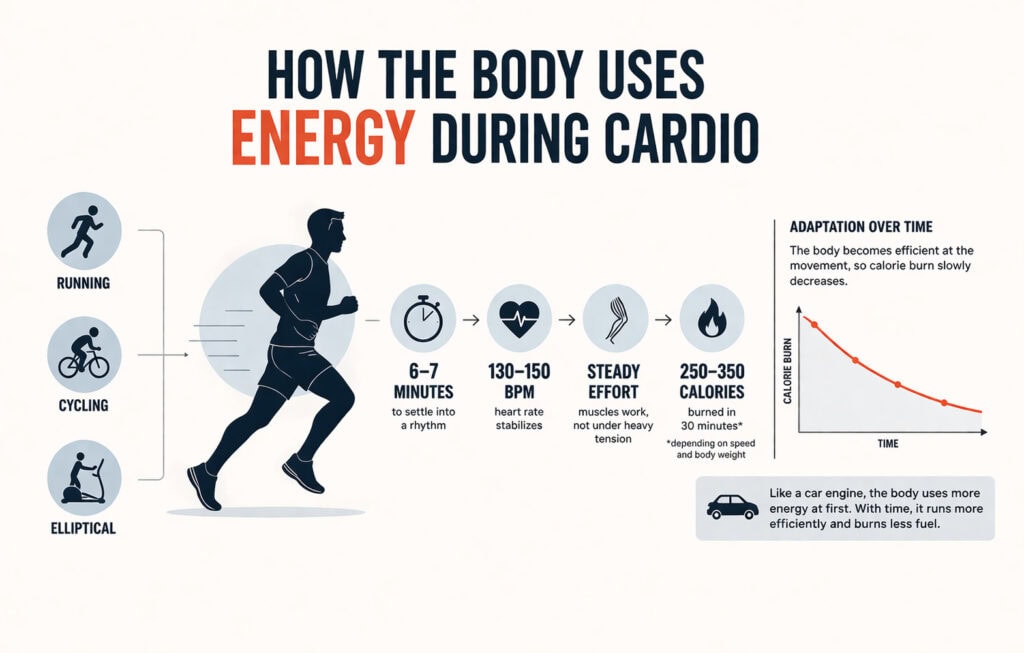
When I go for a run I usually settle into a rhythm after about 6–7 minutes.
Breathing becomes steady.
Heart rate stabilizes around 130–150 beats per minute.
Muscles are working, but they are not under heavy tension.
The legs repeat the same motion over and over.
After 30 minutes the watch might show something like 250–350 calories burned depending on speed and body weight.
That sounds great.
But something interesting happens during longer cardio sessions.
The body quickly becomes efficient at that specific movement.
Efficiency means less energy wasted.
And less energy wasted means the calorie burn slowly decreases as the body adapts.
Think about it like driving a car.
At first the engine burns a lot of fuel because the system is not optimized.
After months of driving, everything runs smoothly and the fuel consumption becomes lower.
The human body behaves in a very similar way.
What Changes When the Workout Becomes Calisthenics
Now imagine a completely different session.
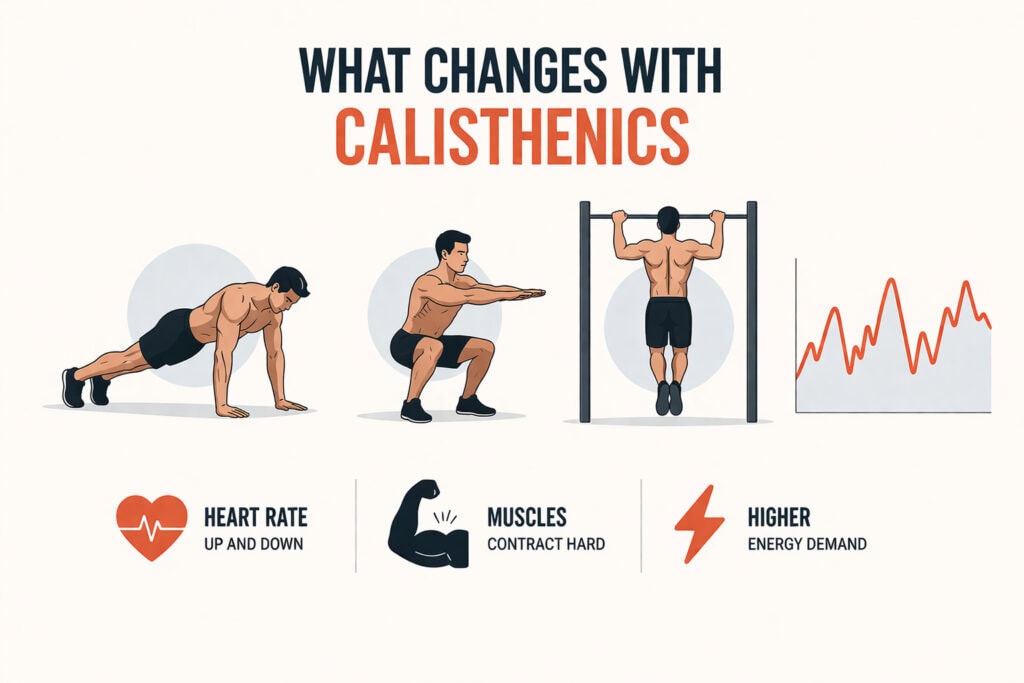
Instead of moving at the same rhythm for 40 minutes, you alternate exercises like push-ups, squats, and pull-ups.
Your heart rate jumps up and down.
Muscles contract hard.
Then they relax.
Then they contract again.
A typical calisthenics circuit I often use looks like this:
• 12 push-ups
• 10 bodyweight squats
• 8 pull-ups
• 20 seconds plank
• 45 seconds rest
Then repeat.
By minute 18–20 the heart rate easily climbs to 160–175 beats per minute.
That combination of strength work + elevated heart rate creates a different metabolic response compared with steady cardio.
Muscles are forced to work harder.
The nervous system recruits more muscle fibers.
Energy demand spikes quickly.
Why Muscle Tension Changes the Fat Loss Equation
During calisthenics the muscles are not just moving.
They are producing force.
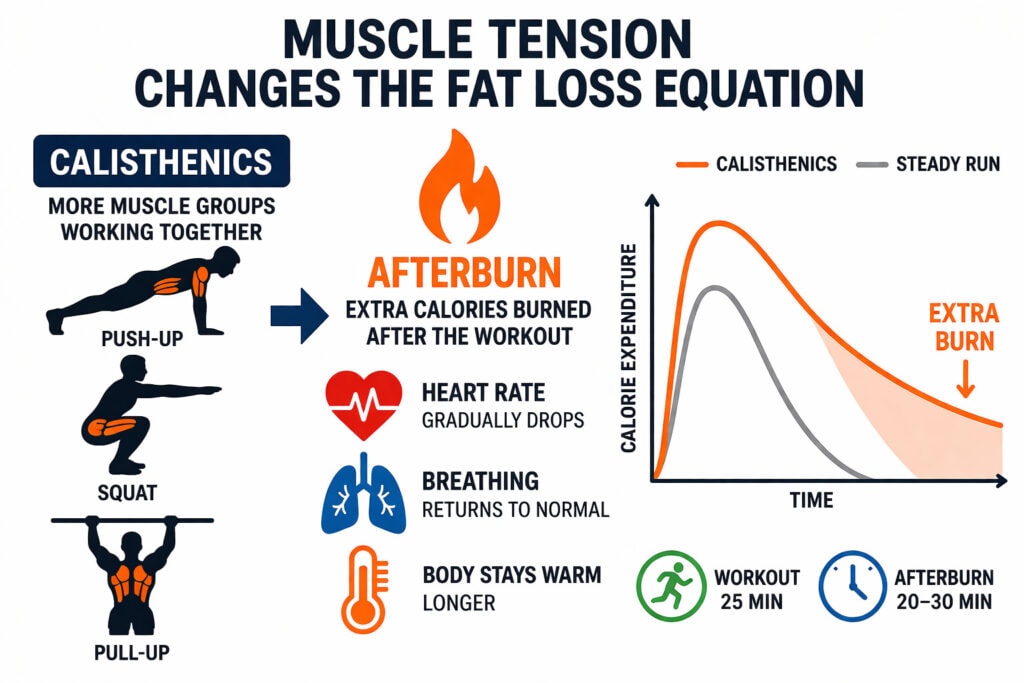
A push-up requires chest, shoulders, triceps, and core to work together.
A squat activates quads, glutes, hamstrings, and stabilizing muscles.
Pull-ups involve the back, arms, shoulders, and even grip strength.
More muscle groups working at the same time means the body requires more energy.
But there is another effect that many beginners do not notice immediately.
Muscle tension increases something called post-exercise oxygen consumption.
In simpler terms, the body keeps using extra energy even after the session ends while it restores normal conditions.
After a 25-minute calisthenics workout I often notice that my body still feels warm 20–30 minutes later.
Breathing gradually returns to normal.
Heart rate slowly drops.
That lingering metabolic activity adds extra calorie expenditure compared with a steady run that ends abruptly when you stop moving.
Why Some People Still Prefer Cardio for Fat Loss
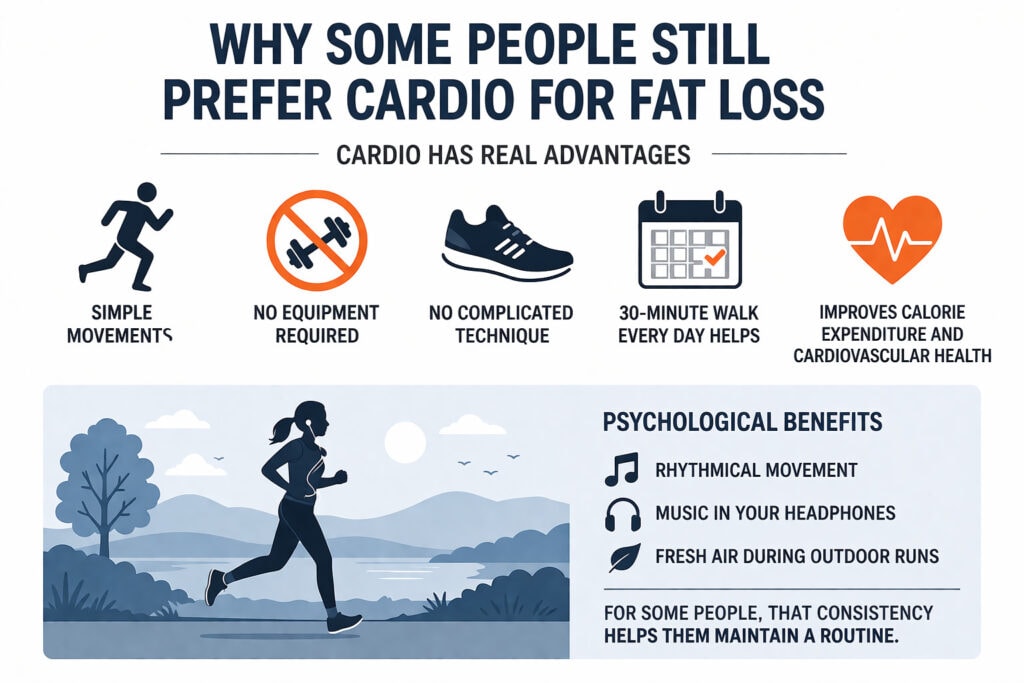
Even with these differences, traditional cardio still has advantages.
Not everyone enjoys intense training.
Running, cycling, or brisk walking are simple movements.
No equipment required.
No complicated exercise technique.
For someone new to training, a 30-minute walk every day can already improve calorie expenditure and cardiovascular health.
There is also a psychological factor.
Steady cardio can feel relaxing.
Rhythmical movement.
Music in your headphones.
Fresh air during outdoor runs.
For some people that consistency helps them maintain a routine.
Where Calisthenics Has a Clear Advantage
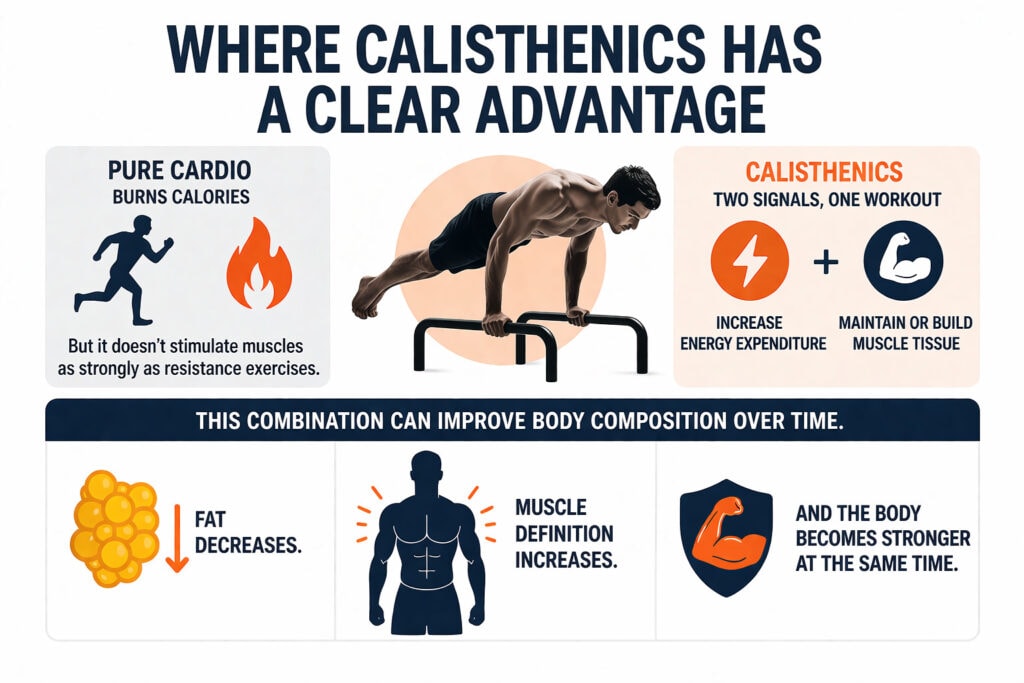
Calisthenics becomes especially interesting when fat loss and muscle tone are both goals.
Pure cardio burns calories.
But it does not stimulate the muscles as strongly as resistance exercises.
During calisthenics the body receives two signals at once:
• increase energy expenditure
• maintain or build muscle tissue
That combination can improve body composition over time.
Fat decreases.
Muscle definition increases.
And the body becomes stronger at the same time.
I start noticing this after about 6–8 weeks of regular training.
11 Calisthenics Exercises That Burn Serious Calories
The calorie estimates below are based on a person weighing around 155–165 lb (70–75 kg) performing the movements at a steady but challenging pace.
Someone heavier usually burns more.
Someone lighter burns slightly less.
As mentioned earlier, these exercises burn a lot of calories because multiple muscle groups work together at the same time, increasing overall energy demand.
Instead of repeating one small movement for a long time, the whole body gets involved.
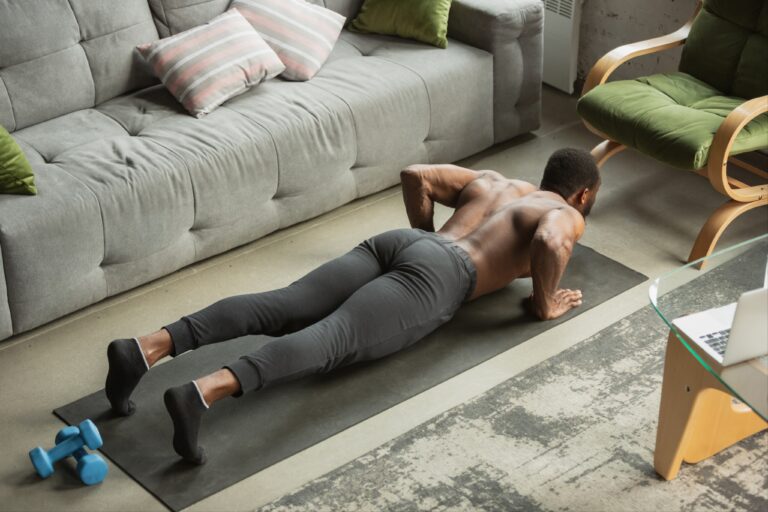
1. Push-Ups
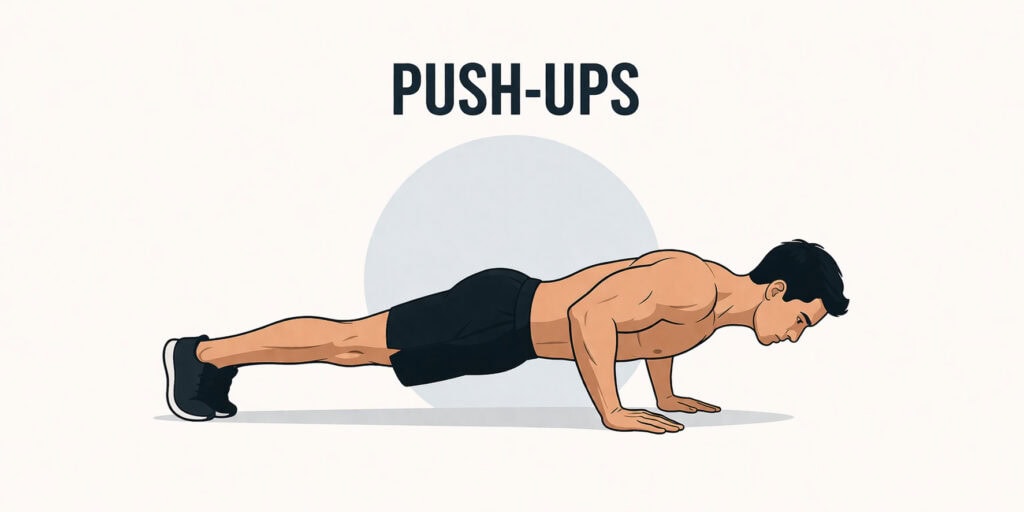
Push-ups look basic, but the body does a surprising amount of work during each repetition.
The chest, shoulders, triceps, and core all contract to keep the body straight.
Hands sit slightly wider than shoulder width.
The body stays aligned from shoulders to heels.
Lower slowly, pause just above the floor, then press upward.
At a steady rhythm, push-ups burn roughly 7–9 calories per minute.
A typical sequence might look like this:
- 12 push-ups
- rest 25 seconds
- repeat for 10 minutes
After roughly 100 total repetitions, the estimated energy use lands between 70 and 85 calories.
Around minute five the breathing becomes deeper and the chest begins to feel warm.
2. Bodyweight Squats
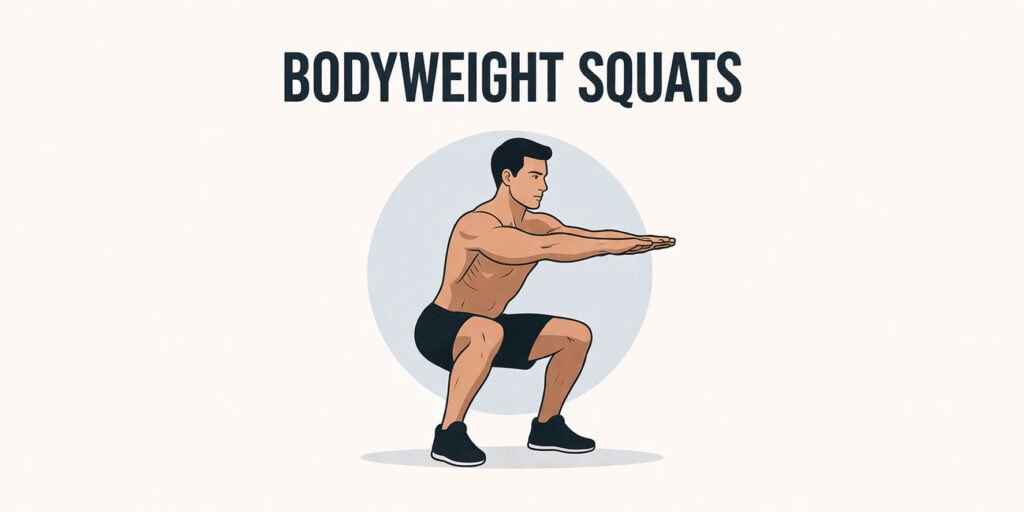
Squats activate the largest muscles in the body.
Quads, glutes, and hamstrings all work together to move the hips.
Because these muscles are large, they require a lot of energy.
Feet start slightly wider than hip width.
Lower the hips like you are sitting in a chair.
Push through the heels to stand back up.
A rhythm of one squat every two seconds creates a steady flow of movement.
At that pace, bodyweight squats burn about 8–10 calories per minute.
Completing 15 squats followed by 20 seconds of rest repeatedly for about 12 minutes often results in around 100 calories burned.
The thighs usually start feeling heavy halfway through.
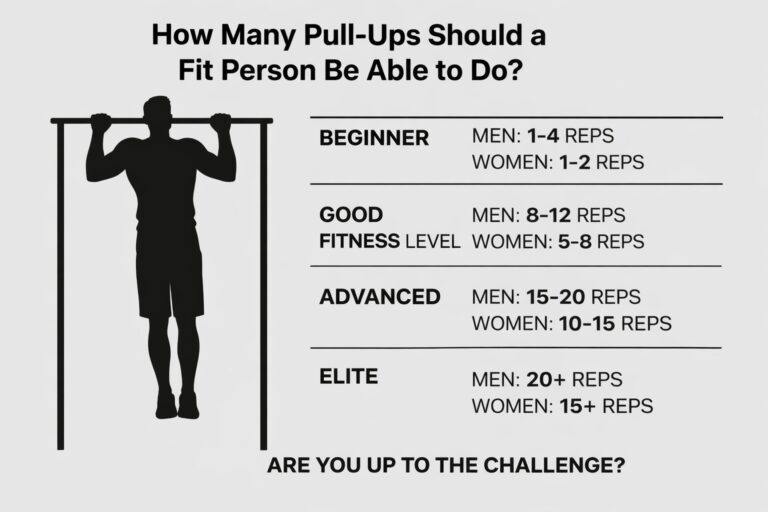
3. Pull-Ups
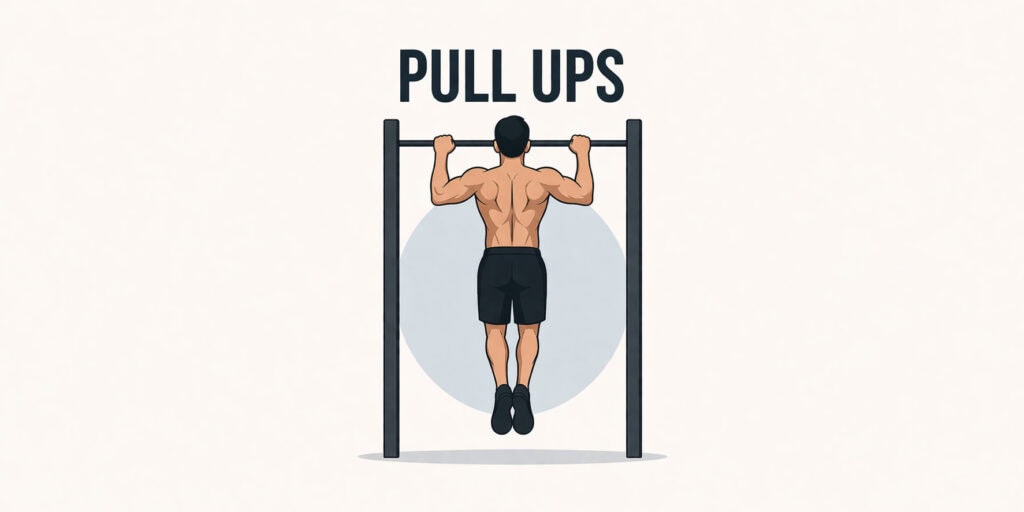
Pull-ups require the body to lift its full weight using the back and arms.
The movement begins from a dead hang on the bar.
Arms fully extended.
Pull the chest upward until the chin clears the bar.
Lower yourself back down under control.
Because the body weight is moving vertically, the muscular effort is high.
Pull-ups burn roughly 6–8 calories per minute during repeated sets.
A realistic training block could look like:
- 5 pull-ups
- rest 35 seconds
- repeat for 10 minutes
That typically produces 40–50 total repetitions and around 60–80 calories burned.
Forearms and upper back usually feel the fatigue first.
4. Walking Lunges
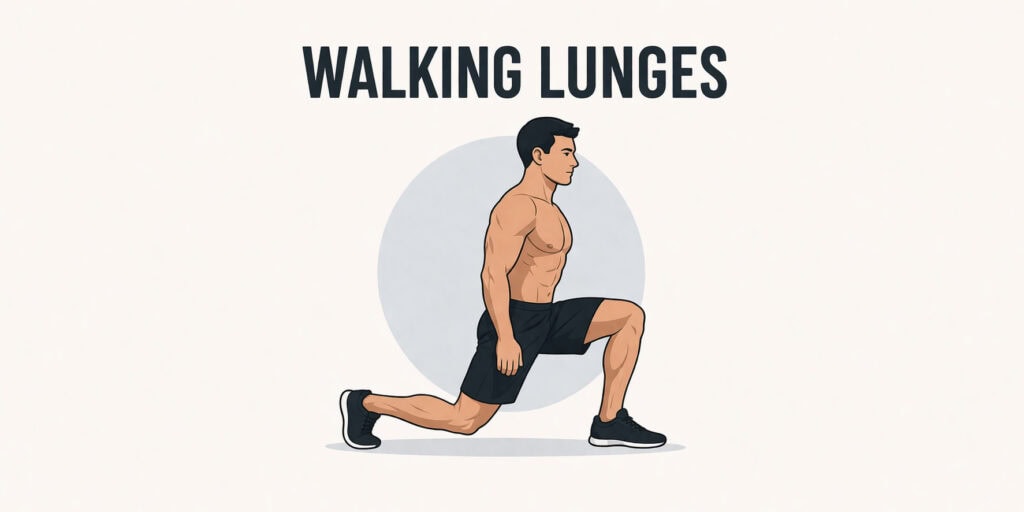
Walking lunges combine strength with movement across space.
Each step requires balance and control.
Step forward with one leg.
Lower the back knee toward the floor.
Push through the front heel and continue forward.
Because the legs alternate continuously, energy demand stays high.
Walking lunges burn around 8–11 calories per minute.
Performing 20 lunges followed by 30 seconds of rest repeatedly for about 10–12 minutes can burn 100–120 calories.
After several minutes the legs feel similar to climbing a long staircase.
5. Plank Hold
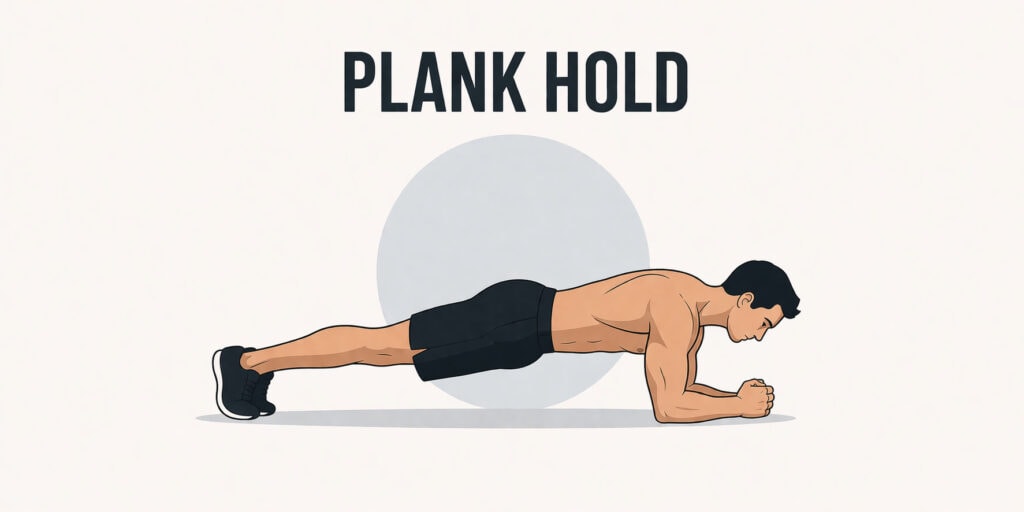
Planks appear calm on the outside, but internally many muscles are working.
The abdominals contract to keep the torso stable.
Glutes and shoulders help maintain alignment.
Forearms press into the floor while the body remains straight.
Because the movement is static, the calorie burn is lower than explosive exercises.
Still, planks use about 4–6 calories per minute.
Holding 40 seconds of plank with 20 seconds rest for roughly 12 minutes burns about 55–70 calories.
Toward the end the abdominal muscles usually begin to shake slightly.
6. Jump Squats
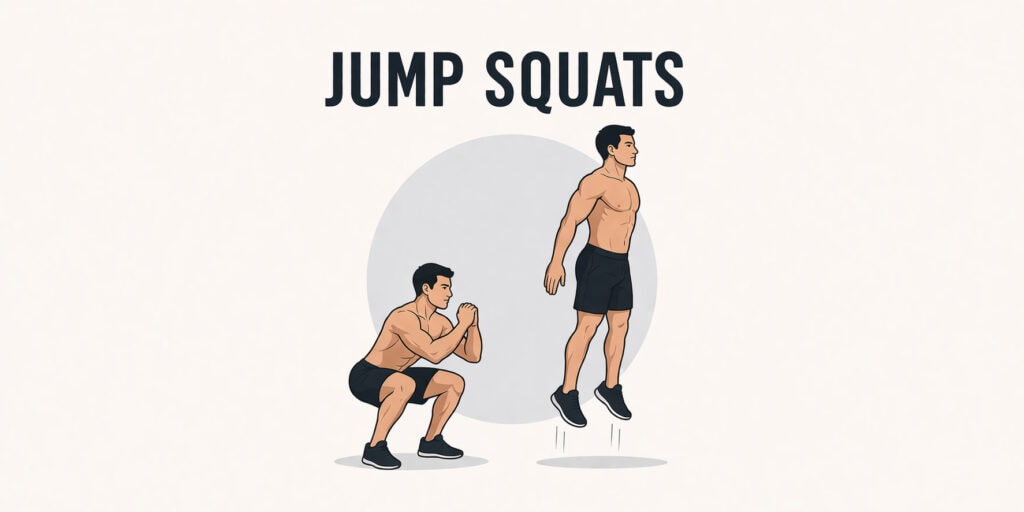
Jump squats transform a regular squat into an explosive movement.
Lower into a squat.
Push upward into a jump.
Land softly and descend again.
Explosive contractions require more energy from the muscles.
Jump squats burn about 10–14 calories per minute.
Completing 10–12 jump squats followed by 40 seconds of rest for roughly 10–12 minutes results in about 120–140 calories burned.
The heart rate rises quickly because the legs are producing powerful movements repeatedly.
7. Mountain Climbers
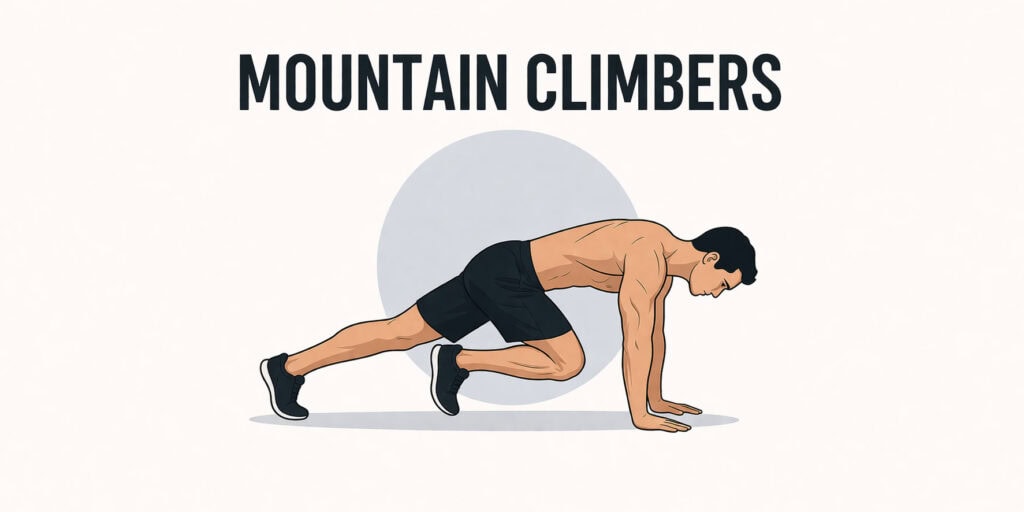
Mountain climbers mix core stability with rapid leg motion.
The starting position is the top of a push-up.
One knee drives toward the chest.
Then the legs switch quickly.
The torso remains stable while the legs move.
Because the motion is continuous, calorie expenditure increases.
Mountain climbers burn roughly 10–12 calories per minute.
Working 30 seconds followed by 30 seconds rest for around 12 minutes can burn 110–130 calories.
The shoulders often feel surprisingly tired because they hold the body position.
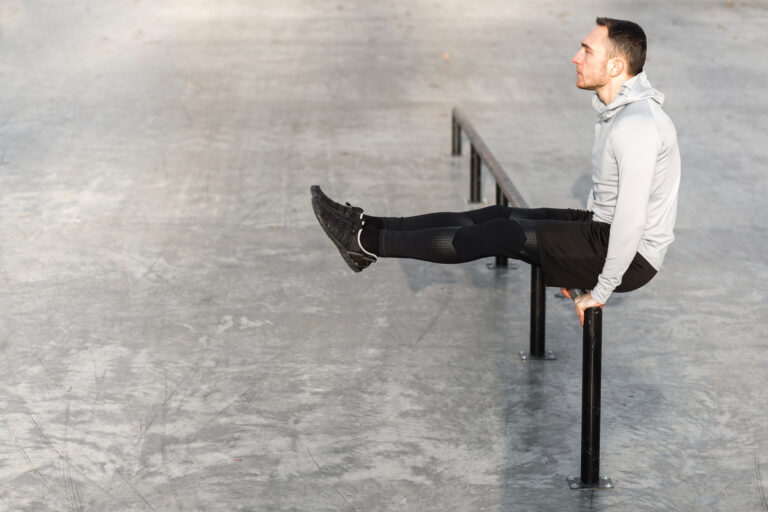
8. Dips
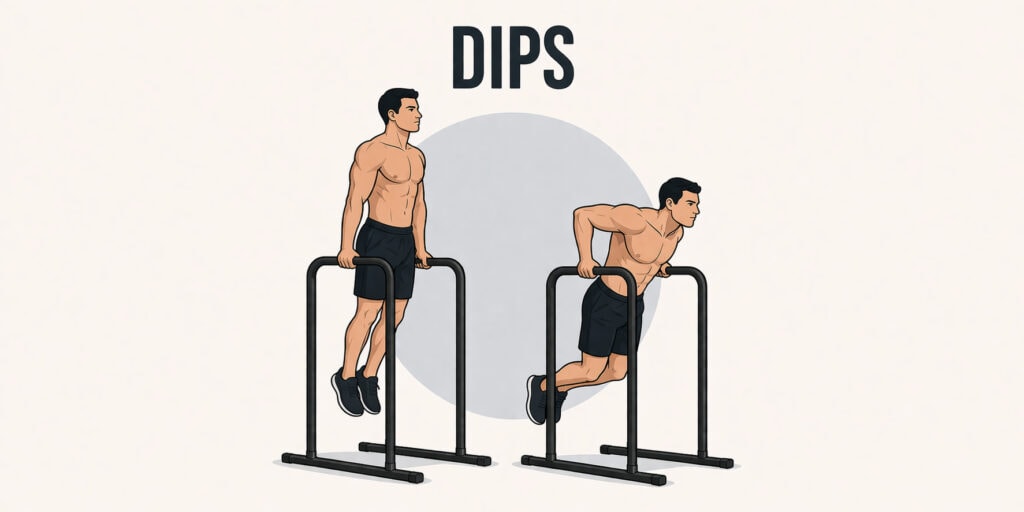
Dips are a strong upper-body movement.
They mainly involve the triceps, chest, and shoulders.
Using parallel bars or sturdy benches, the body lowers until the elbows reach about 90 degrees, then presses back upward.
Controlled dips burn about 6–8 calories per minute.
Completing 8–10 repetitions with 30 seconds rest repeatedly for around 10 minutes burns about 70–90 calories.
By the final sets the triceps usually feel warm and pumped.
9. Step-Ups
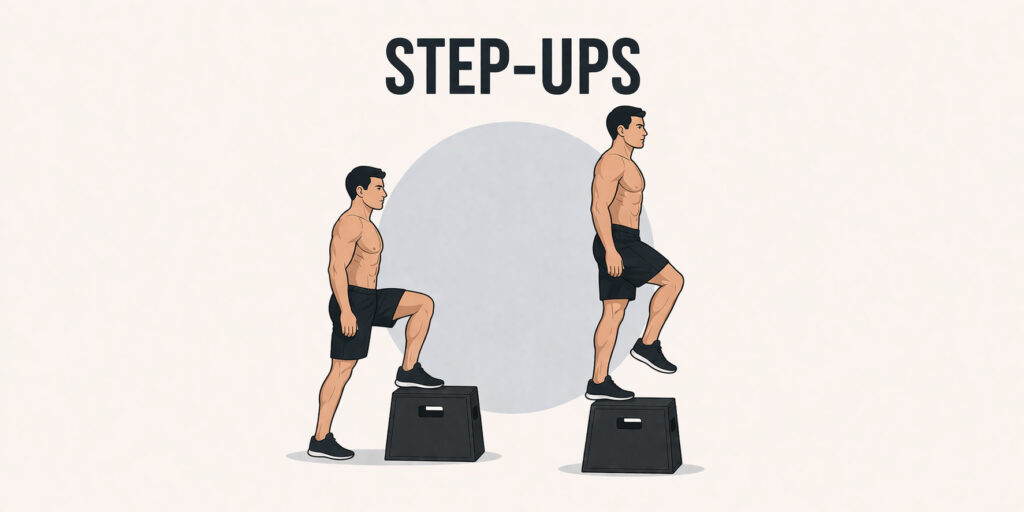
Step-ups simulate climbing stairs.
One foot steps onto a bench or platform.
The body rises until both feet are on top.
Then step back down and alternate sides.
The alternating leg motion keeps the body active continuously.
Step-ups burn roughly 8–10 calories per minute.
Repeating 20 step-ups followed by 20 seconds rest for about 12 minutes burns approximately 100 calories.
The effort feels very similar to walking up several flights of stairs.
10. Hanging Knee Raises
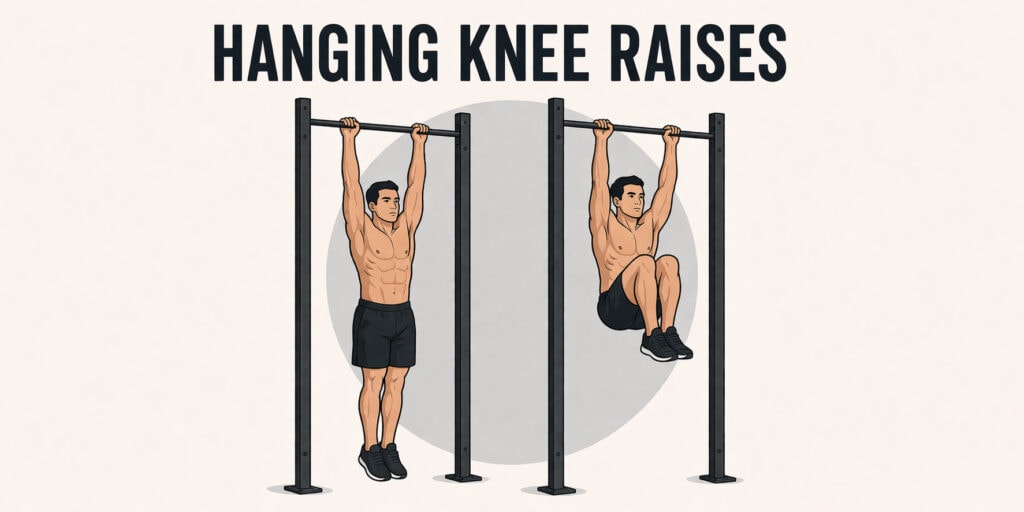
This movement targets the abdominal muscles while also challenging grip strength.
Hang from a pull-up bar.
Lift the knees toward the chest.
Lower slowly to the starting position.
Even though the movement is controlled, the body must stabilize while suspended.
Hanging knee raises burn roughly 5–7 calories per minute.
Completing 12 repetitions with 30 seconds rest for about 10 minutes results in roughly 70–80 calories burned.
Grip fatigue often appears before the core gives out.
11. Bear Crawls
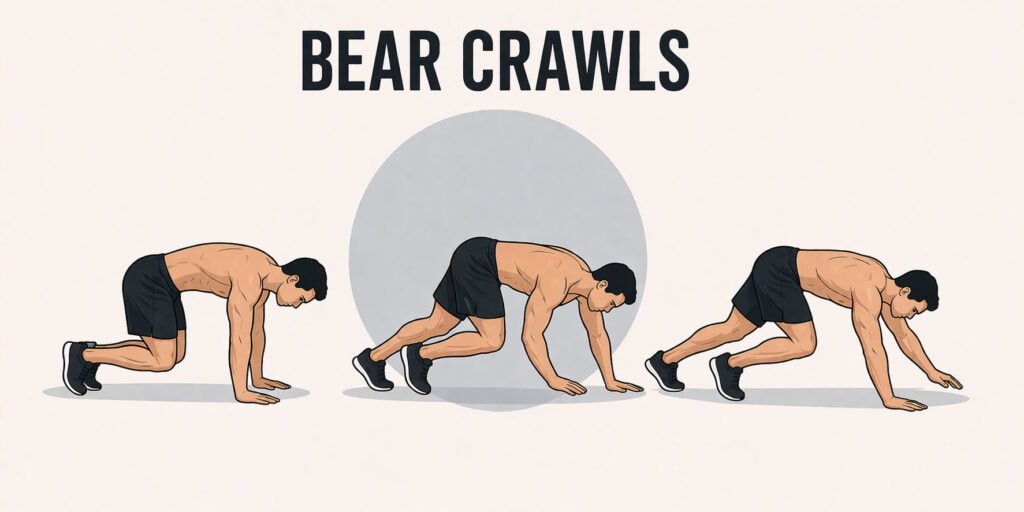
Bear crawls involve the entire body.
Start on hands and feet with the knees slightly lifted off the ground.
Move forward slowly, coordinating opposite hand and foot.
Shoulders stabilize the torso.
Core muscles keep the body from sagging.
Legs push the body forward.
Bear crawls burn around 10–12 calories per minute.
Performing 20 seconds of crawling followed by 40 seconds of rest for about 12 minutes can burn 120 calories or more.
After several rounds the shoulders begin to feel similar to the fatigue from push-ups.
Final Thoughts
Fat loss rarely depends on one single type of exercise.
The body responds to total energy expenditure, muscle activity, and consistency over time.
Calisthenics combines strength training with elevated heart rate.
Cardio provides steady movement and endurance benefits.
Mixing both often produces the most balanced results.
Some days involve bodyweight circuits.
Other days include a relaxed jog or long walk.
The body enjoys variety more than endless repetition.
And variety keeps training interesting for months instead of weeks.
FAQs
Can calisthenics feel tougher on breathing than sprinting?
It may sound strange at first.
Sprint running pushes the heart rate very high, but the breathing rhythm often stays fairly consistent.
Calisthenics circuits work differently.
During exercises like push-ups, lunges, or pull-ups, several muscles tighten at once and then relax again seconds later.
This constant change between tension and release makes it harder for the body to settle into a steady breathing pattern.
After a few rounds the lungs feel like they are working overtime because the body is repeatedly trying to catch up with the oxygen demand.
What causes sweaty hands during push-ups or pull-ups?
Many people notice their palms becoming damp even during short bodyweight workouts.
This happens because the nervous system activates what researchers call the grip response.
When the brain detects that the hands must hold or press strongly against a surface, sweat glands in the palms become more active.
That slight moisture actually helps improve friction and grip.
It is the same biological mechanism that once helped humans hold tools, climb rough surfaces, or grip branches more securely.