There’s nothing like walking into the gym, chalking up, and feeling invincible on that barbell.
But then—you see it: “No chalk allowed.”
All of a sudden, your heavy deadlift feels like grabbing a slippery watermelon.
I’ve been there. It’s frustrating.
And if you’ve ever had sweat dripping down your hands halfway through a set of pull-ups, you know how fast your grip can betray you without help.
So, let’s talk about the best chalk alternatives that actually work when your gym turns into the chalk police.
Liquid chalk: the closest cousichalk-alternative-for-grip-when-gym-bans-powdern to the real deal
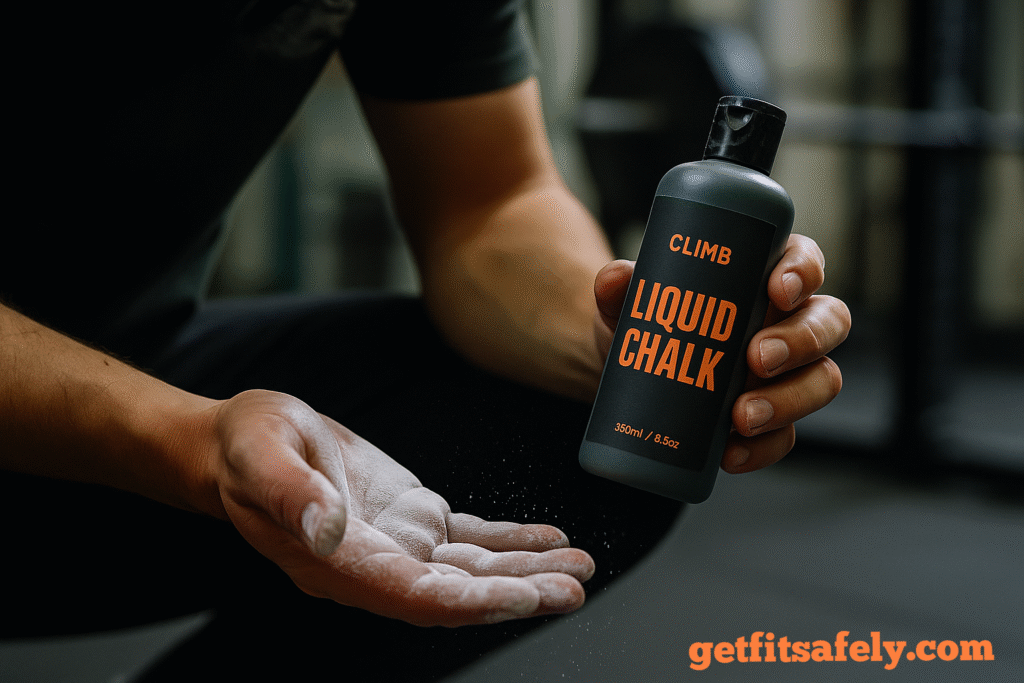
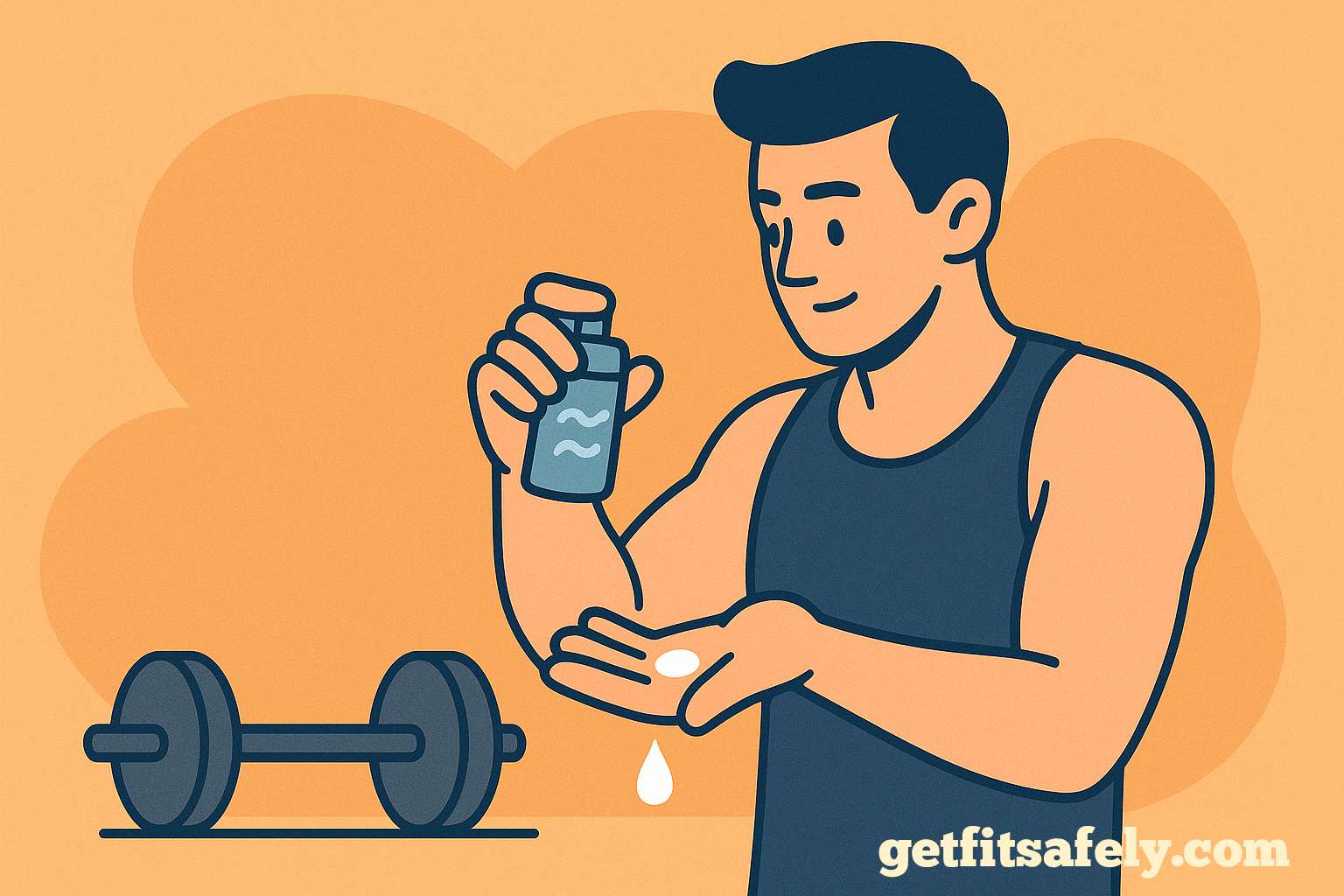
Liquid chalk is basically powdered chalk suspended in alcohol.
You rub it on, it dries in seconds, and suddenly your hands feel like sandpaper in the best possible way.
The beauty?
Most gyms allow it because it doesn’t leave white clouds floating around like a snowstorm.
I’ll be real with you—liquid chalk can be a lifesaver.
Especially for heavy pulls, rope climbs, or when you’re hanging from a bar and your palms start screaming for mercy.
The alcohol also kills some bacteria, which is nice considering how gross gym equipment can be.
Downside?
It can dry your skin out faster than a desert hike. If you’re prone to calluses tearing, moisturize after. Trust me, I learned that the hard way.
Pro tip: don’t glob it on. A pea-sized amount is usually enough. Rub it between your fingers and let it dry completely. Reapply only when needed—too much and you’ll actually lose grip.
Grip pads and gloves: not just for the “casuals”
I used to clown on people wearing gloves.
Then one day I ripped a callus so badly mid-set that I had to cancel the rest of my training.
That’s when I stopped laughing.
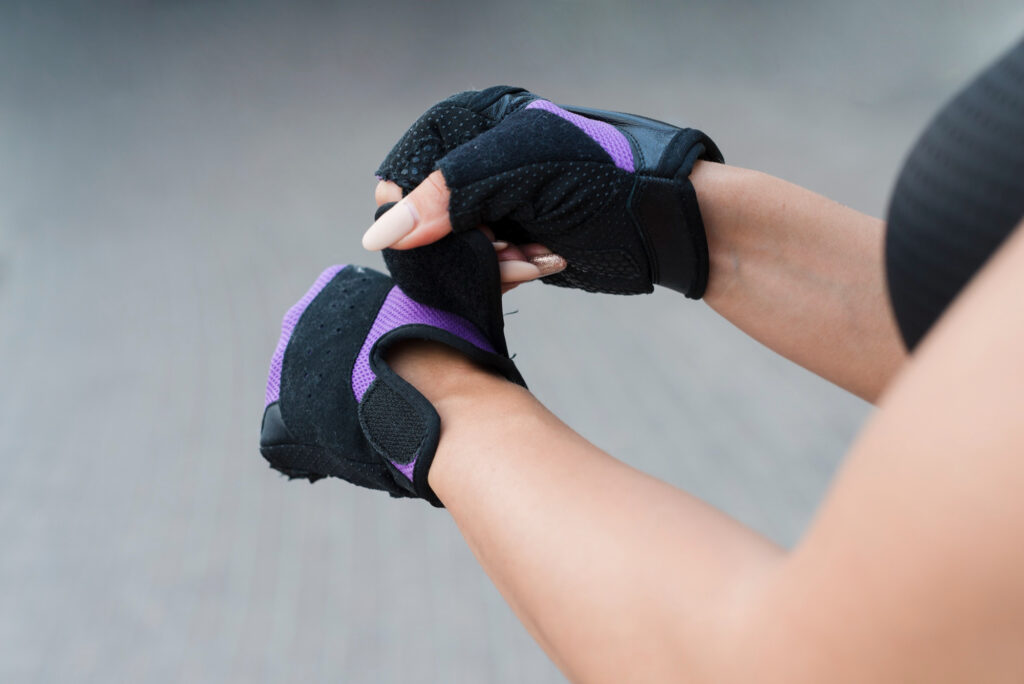
Modern grip pads and minimalist gloves aren’t the big bulky leather things from the 90s.
They’re thinner, sleeker, and actually help you keep your hands intact while boosting traction.
Are they perfect?
No. You’ll lose a little bit of the “raw bar feel,” and some people hate that barrier between skin and steel.
But if your gym is strict, this is a decent workaround.
Gym etiquette tip: if you use gloves or pads, wipe down the equipment after. Even sweat transfer can make the bar slippery for the next person. Small move, big respect.
Buy Weight Lifting Gloves Online
Athletic tape: the DIY fix that still slaps
Tape isn’t glamorous, but it works.
Wrapping your thumbs or palms with athletic tape gives you friction, reduces sweat slipping, and protects hotspots from ripping open.
It’s cheap, it’s portable, and it makes you look like you’ve just walked off a strongman competition floor.
The catch?
You’ll burn through rolls fast if you’re training heavy multiple times per week.
And if you don’t tape it right, it’ll unravel mid-set, which is more distracting than helpful.
Still, for Olympic lifts or pull-ups, tape can be the difference between holding on and crashing early.
Hack: combine tape with a little liquid chalk. Tape gives you protection, chalk gives you friction. That combo has saved me on sweaty summer days more than once.
Resin, tacky sprays, rosin bags, and the “weird stuff”
This is the wild west of grip aids.
Some strongman athletes use pine resin or tacky sprays that literally glue your hands to stones or logs.
They’re insanely effective, but they’re also sticky, messy, and usually not welcome in commercial gyms.
Rosin bags—common in baseball or gymnastics—are a slightly cleaner option.
They’re small pouches filled with powdered tree resin that you pat onto your hands.
They don’t create as much mess as chalk, but they still boost friction.
There’s also bar wax (yes, literally wax sticks designed for pull-up bars).
It creates a tacky layer, though it’s niche and more common in gymnastics than lifting.
If you train at home or in a strongman-friendly gym, these can be a game-changer.
But at Planet Fitness?
Forget it.
That said, even things like liquid grip enhancers designed for tennis or golf can cross over into lifting.
Think outside the box—you’d be surprised how many sports fight the same sweaty-hand battle we do.
Why grip really decides your strength
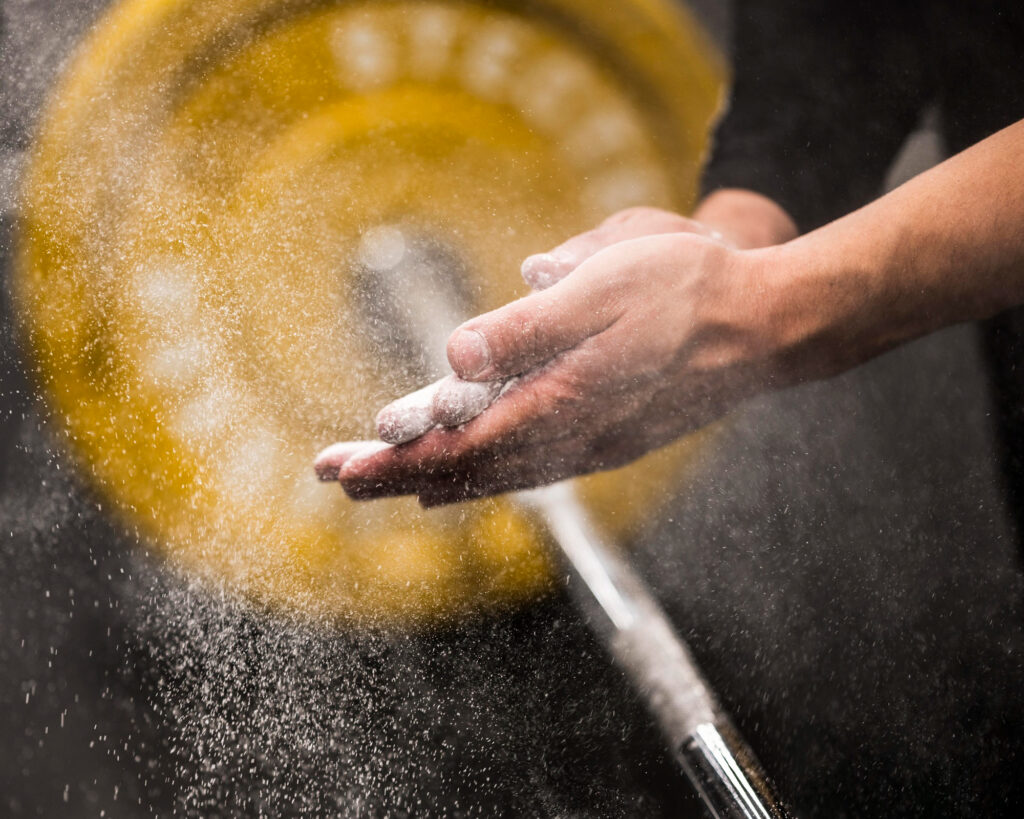
Here’s why these alternatives actually matter: grip strength isn’t just about your hands.
When your grip slips, your nervous system basically calls a “fail safe” and forces the rest of your body to shut down the lift.
That means you could have plenty of power in your lats, glutes, or quads, but if your hands give up first—you’re done.
Alternatives like liquid chalk, rosin, or tape keep the signal strong.
They delay fatigue, cut down sweat, and help you actually use the strength you’ve built instead of wasting it on slippery palms.
Fun fact: studies show magnesium carbonate (the chalk ingredient) increases the coefficient of friction on skin by up to 50%. (Fuss, Niegl & Tan, 2004)
Liquid versions mimic that effect but with less mess.
Skin health: the part nobody talks about
Here’s the thing nobody mentions when they rave about grip aids: your skin.
Anything that dries your hands too much can lead to cracks, rips, and painful calluses that take weeks to heal.
If you’re going to use chalk alternatives regularly, take care of your hands.
- Use a pumice stone or callus shaver weekly.
- Moisturize daily (yes, even dudes—dry skin tears faster).
- File rough spots down instead of letting them build up.
Because nothing kills progress faster than being sidelined with torn-up palms.
Quick comparison: what’s worth it?
Here’s a simple way to see the differences:
- Liquid chalk → High grip, gym-friendly, dries skin
- Gloves/pads → Good protection, less “feel,” easy cleanup
- Athletic tape → Cheap, customizable, short lifespan
- Rosin/tacky → Super sticky, messy, niche use
- Bar wax → Gymnastics-heavy, rare in lifting gyms
Each has its place—it depends on your goals, your gym’s rules, and your tolerance for mess.
What I actually use day to day
If I had to pick just one, liquid chalk wins. It’s portable, gym-friendly, and it works almost everywhere.
But honestly?
I rotate depending on the day.
Heavy deadlift day?
Liquid chalk. High-rep pull-up day?
A little tape to save my skin. Hot summer garage workout? Sometimes even gloves sneak in.
It’s not about pride—it’s about performance.
The goal isn’t to look hardcore while bleeding all over the bar.
The goal is to train hard enough to get better and come back tomorrow.
RELATED:》》》 Looking for straps that don’t dig into small wrists — any favorites?
Final thoughts: grip is too important to gamble with
At the end of the day, grip is the gatekeeper to real strength.
You can squat heavy with shaky balance, but you can’t deadlift heavy if the bar keeps slipping out of your hands.
If your gym bans chalk, don’t sulk about it. Get creative.
Liquid chalk, tape, pads—they’re not just backup plans, they’re legit tools that keep your training alive.
And here’s the motivational kicker: a strong grip doesn’t just help you in the gym. It carries over to climbing, sports, even everyday stuff like carrying groceries in one trip (because yes, that is the ultimate flex).
So experiment. Try different alternatives. Find the mix that lets you train without distraction.