The deadlift is like the king of the weight room.
It’s raw.
It’s primal.
It makes you feel like you could drag a car out of a ditch with nothing but your bare hands.
But it’s also the exercise that has sent plenty of lifters home with sore backs, cranky hips, or that “oh no, what did I just do” feeling.
And here’s where the trap bar comes strutting in like the cool younger cousin at Thanksgiving.
People say it’s safer.
People say it saves your back.
But is it actually true—or just gym folklore?
Let’s dive in.
What Makes the Trap Bar Different
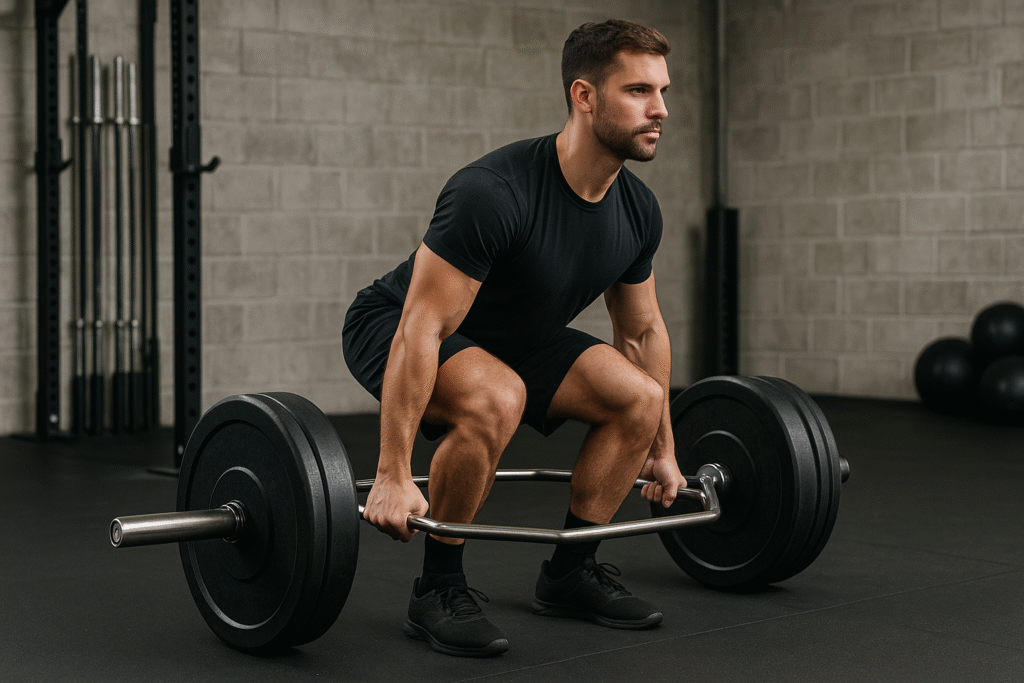
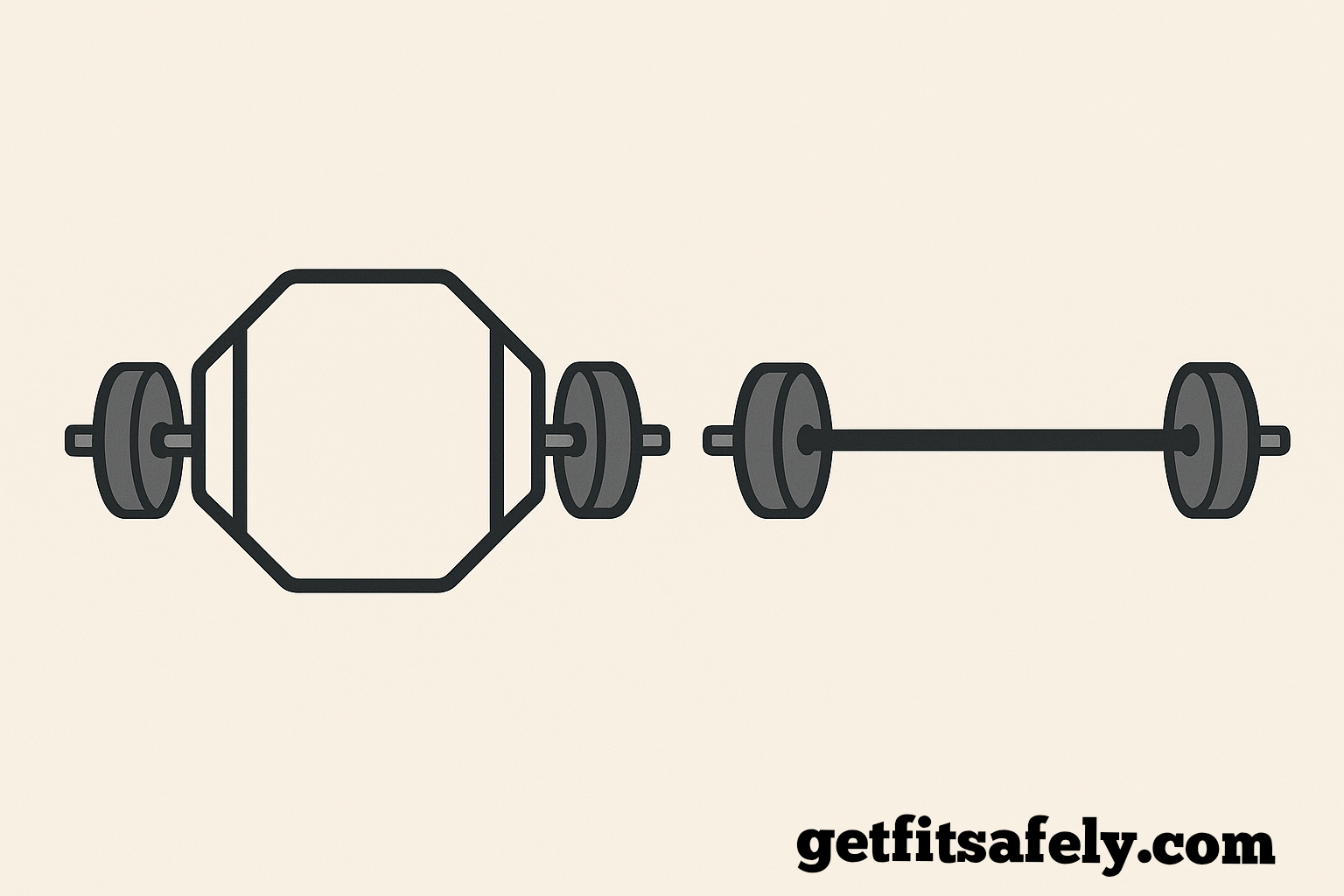
The trap bar looks like someone bent a straight bar into a giant hexagon and slapped handles on it.
And honestly, that’s not too far from reality.
The big difference is your position.
Instead of the bar sitting in front of your shins, you’re standing inside it.
That means when you pull, the weight isn’t dragging your torso forward like an anchor—it’s more centered, lined up with your body.
Biomechanically, that changes everything.
Your knees track a little more forward.
Your hips don’t have to shoot back as far.
Your spine doesn’t take the same shear forces you get from a straight bar.
In other words, it’s like taking some of the “oh my god please don’t snap my back in half” factor out of the lift.
Does That Actually Make It Safer?
Here’s the tricky part.
“Safer” is relative.
Yes, the trap bar reduces torque on your lower back.
That’s huge if you’ve got a history of back tweaks or you just don’t feel comfortable loading a heavy straight bar from the floor.
Some studies even show that trap bar deadlifts let you generate more power—athletes love it because they can pull heavy without feeling like their spine is auditioning for a chiropractor commercial.
But safer doesn’t mean foolproof.
Round your back, yank the bar, or ego-load it with five plates when you’ve only trained with two?
The trap bar won’t save you from bad decisions.
The Straight Bar’s Unfair Reputation
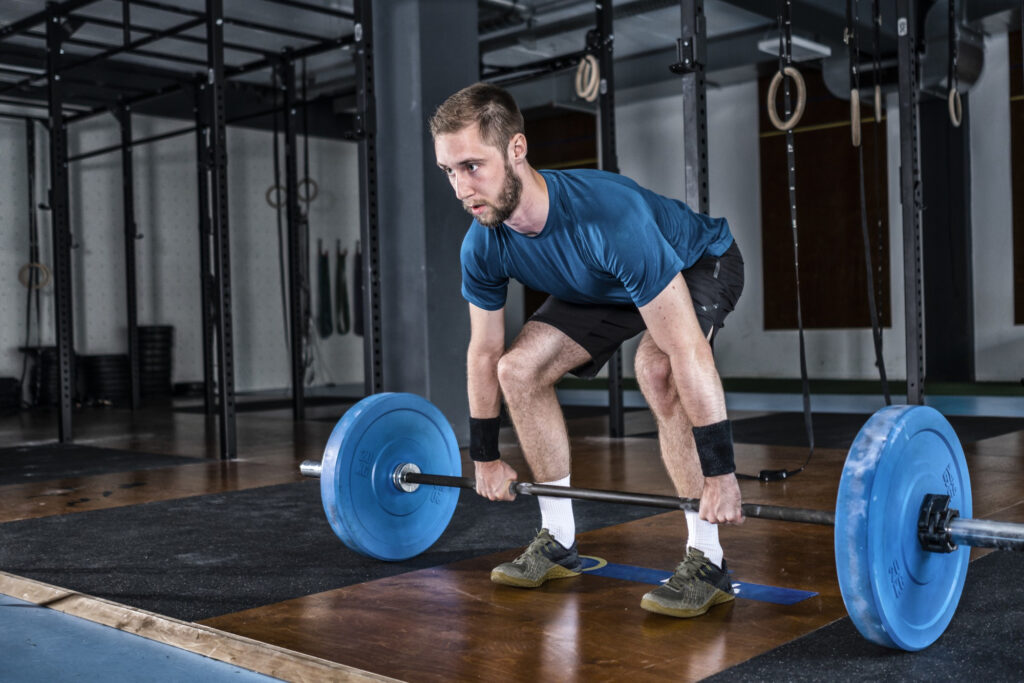
I’ve got to stick up for the straight bar here.
It’s not the villain some people make it out to be.
The straight bar deadlift builds insane posterior chain strength.
Glutes, hamstrings, spinal erectors—it’s the lift that forges a strong back as much as it risks one.
The thing is, it demands respect.
It punishes sloppy form like a strict teacher with a ruler.
That’s not necessarily bad—it just means the learning curve is steeper.
If you treat it like a race to see how fast you can load plates, yeah, injuries happen.
But with smart programming and solid technique, the straight bar is as safe as any other lift.
My Experience With Both
When I first got into lifting, the straight bar deadlift was the holy grail.
I wanted those thick traps and that unshakable grip strength.
But my lower back hated me for it—probably because I was pulling like a caffeinated gorilla with no plan.
Then I tried the trap bar.
Instant game-changer.
It felt natural.
My quads kicked in more, my back didn’t scream, and I could actually push some decent weight without needing a two-week recovery.
But here’s the plot twist: once I fixed my straight bar form, it became just as enjoyable.
Different muscles, different vibe, same rush.
I don’t see one as “better” anymore—it’s more about what phase I’m in, what my body’s telling me, and what my goals are.
Grab Your Trap Bar for Deadlifts
Who Should Use the Trap Bar
If you’re new to lifting and just want a safe, solid pull—grab the trap bar.
It’s more forgiving.
It teaches good movement patterns without demanding Olympic-level mobility.
If you’re an athlete chasing speed and power—trap bar is your friend.
You can move weight explosively without as much wear and tear.
If you’ve had back issues—this bar might let you keep deadlifting without sending you straight back to physical therapy.
Why You Might Still Stick With the Straight Bar
On the flip side, if you want the classic deadlift strength—posterior chain dominance, grip like steel, and bragging rights at any gym—you can’t skip the straight bar.
It’s also more transferable if you’re into powerlifting.
Nobody’s testing your trap bar PR on the platform.
Plus, it teaches patience, discipline, and respect for the craft of lifting.
There’s something badass about wrestling with a straight bar and finally hitting a clean, heavy pull.
Hidden Factors That Influence Safety
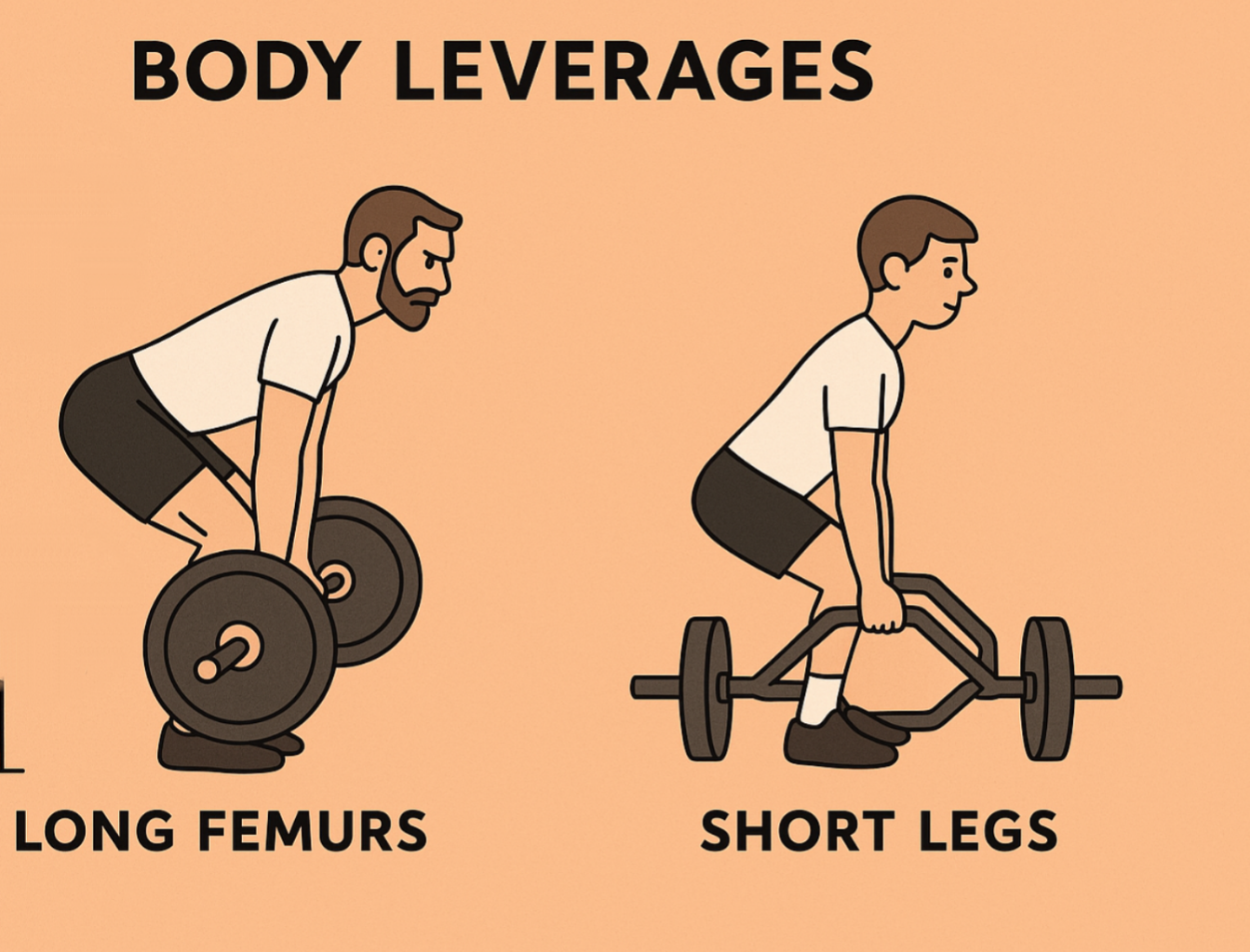
Here’s something most people don’t think about: your body leverages matter more than the bar itself.
Long femurs?
Straight bar might feel like a medieval torture device because it forces you into a deep hip hinge.
Trap bar can save you by keeping your torso more upright.
Super mobile hips and short legs?
You might find the straight bar feels smooth and natural, while the trap bar feels like overkill.
Also, grip strength changes the equation.
The straight bar builds iron grip because the bar wants to roll out of your hands.
Trap bar handles are more forgiving.
So in terms of long-term injury prevention—don’t overlook how grip and forearm strength tie back into keeping your form locked in.
Practical Cues to Stay Injury-Free
Whether you grab a trap bar or a straight bar, there are a few golden rules:
Neutral spine is king → If your back rounds, you’re asking for trouble.
Brace like you’re about to take a punch → Your core is the seatbelt that keeps everything in place.
Control the eccentric → Slamming the bar down isn’t just noisy, it’s risky for your back and hips.
Don’t skip warm-ups → Hips, hamstrings, and glutes need to be awake before you pull heavy.
The bar matters, but the basics never change.
The Knee Factor Nobody Talks About
Trap bar isn’t just about saving your back.
It actually puts more bend in your knees.
That means quads get in on the party, but your knees also eat more load.
For some lifters, that’s gold—it spreads the stress across more muscles.
But if you’ve got cranky knees?
It could be swapping one problem for another.
Bottom line: it’s not “back versus knees,” it’s about finding what joint system you trust to take the load.
Add a Trap Bar to Your Training
High Handles vs Low Handles
Another detail that sneaks under the radar is handle height.
Most trap bars give you two options: low handles (closer to the floor) and high handles (like giving yourself a cheat code).
High handles shorten the range of motion, which feels easier on mobility and lets you load up weight like a beast.
But the trade-off?
You’re skipping part of the pull and missing some posterior chain activation.
Low handles bring it closer to a “real” deadlift, forcing you into a deeper position.
It’s harder, but more balanced.
Pick your poison depending on whether you want power, safety, or a mix of both.
RELATED:》》》 Are budget weightlifting belts safe for beginners or should I go premium?
The Bottom Line
So, is the trap bar safer?
Yeah, in a lot of ways, it is.
It reduces back strain, feels more natural, and cuts down on the technical hurdles.
But “safer” doesn’t mean you get to check your brain at the door.
Bad form and bad choices will wreck you with any bar.
For me, the trap bar is like a reliable buddy that keeps lifting fun and accessible.
The straight bar is the tough coach who makes you earn every ounce of strength.
Both have their place.
Here’s the deal:
If you want longevity and less risk—lean into the trap bar.
If you want grit, raw strength, and a sense of conquering something brutal—stick with the straight bar too.