Safety & Injury Prevention

Safety-injury-prevention-fitness-illustration

Training isn’t dangerous by default.

What causes most problems is ignoring warning signs, rushing progress, and copying routines that look impressive online but don’t match the body using them.

Strength and longevity don’t have to be opposites.

You shouldn’t have to choose between performance and feeling wrecked every week just to make progress feel “real.”

Smart training isn’t about avoiding stress.

It’s about applying it in a way the body can adapt to without quietly breaking down in the background.

This category exists for people who want to train hard, push limits, and keep moving forward — without living in constant pain cycles.

What this approach focuses on

  • Understanding why pain shows up even when form looks “correct”
  • Breaking down common joint issues without medical jargon or scare tactics
  • Adjusting volume, angles, and movement patterns instead of defaulting to full rest
  • Managing load and fatigue so progress continues while irritation fades
  • Building durability alongside strength, not after something goes wrong

The goal isn’t to train carefully.

It’s to train intelligently.

So strength feels powerful and repeatable.

Not fragile, irritated, or one bad session away from a setback.

If performance matters, but staying functional matters just as much, this is where those two finally meet.

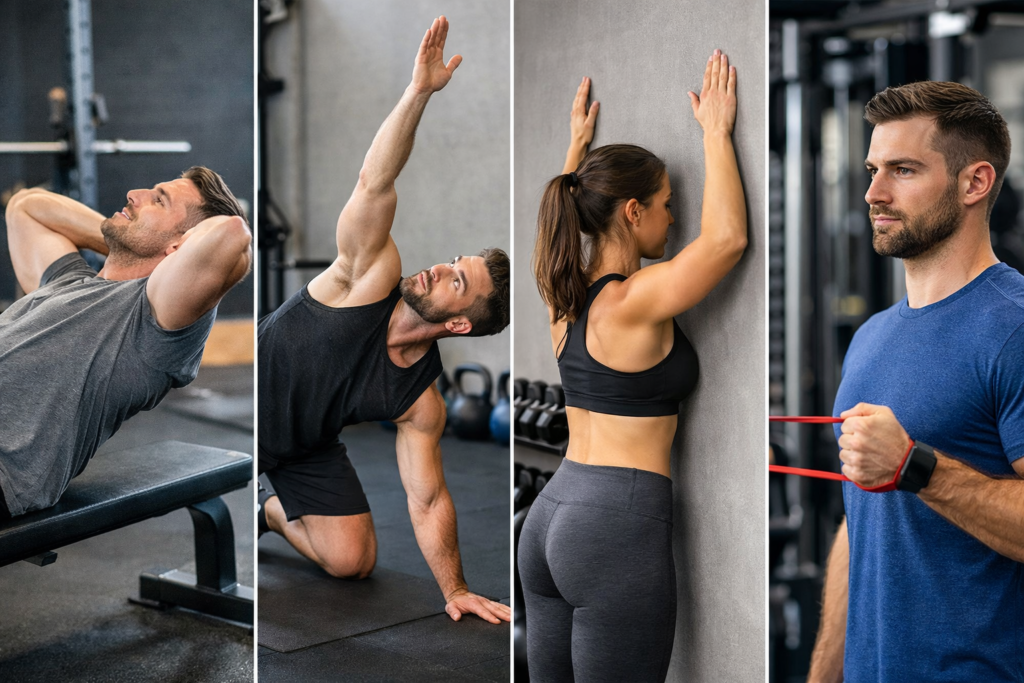
Shoulder-mobility-exercises-for-push-day

Push Day Pain Isn’t Always Weakness: What 30 Days of Mobility Revealed

For a while, push day simply didn’t feel smooth, even though nothing looked wrong and strength was still there. Bench press felt heavier in the shoulder than it should, incline pressing made that feeling more noticeable, and overhead work felt tight instead of free and controlled. Numbers didn’t really drop, reps were still there, and […]

Push Day Pain Isn’t Always Weakness: What 30 Days of Mobility Revealed Read More »

Forearm-training-order-before-after-pulling

Forearms Before or After Pulling? A 6-Week Test for Healthier Elbows

Forearm training order sounds like a small detail, but my elbows started to disagree. I didn’t run this because I suddenly got obsessed with forearm size. I did it because my elbows started acting like they were silently unionizing. The frustrating part is how sneaky this kind of elbow annoyance can be. Everything seems “manageable”

Forearms Before or After Pulling? A 6-Week Test for Healthier Elbows Read More »

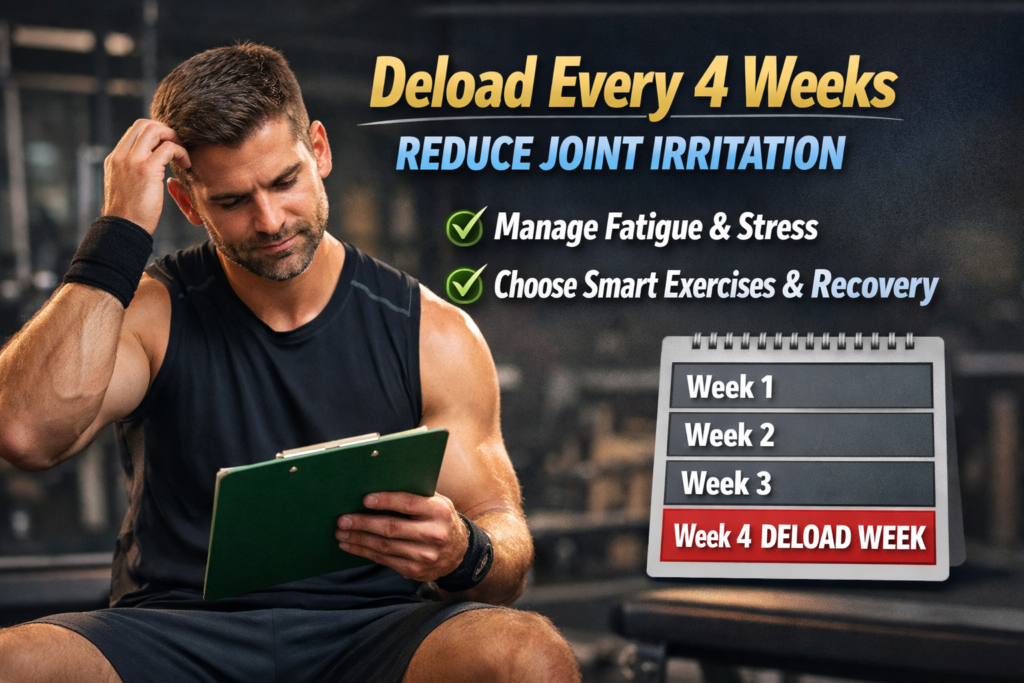
Deload-training-weekly-cycle-joint-health

Does Deloading Every 4 Weeks Actually Protect Your Joints?

A few years ago, deloads sounded to me like flossing. Everyone said it was “obviously important,” but somehow it always felt optional until the consequences showed up. My joints were the consequences. Not pain that stops you, just the kind that keeps showing up at the wrong time. That’s when I started wondering something simple.

Does Deloading Every 4 Weeks Actually Protect Your Joints? Read More »

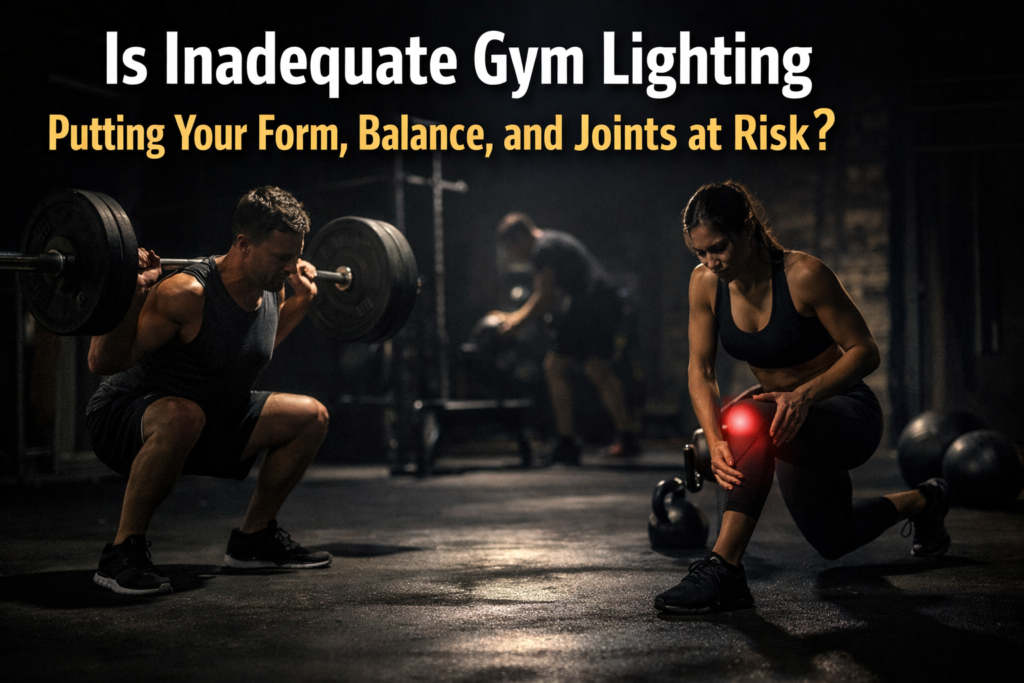
Poor-gym-lighting-affecting-workout-form-and-balance

Is Inadequate Gym Lighting Putting Your Form, Balance, and Joints at Risk?

Walking into a gym with dim lighting can feel “cool.” Like a nightclub, but with more grunting and fewer cocktails. A lot of gyms do it for vibe, ambiance, and that dramatic shadow-on-the-biceps effect. The problem is that your joints do not care about ambiance. They care about alignment, stability, and whether you just stepped

Is Inadequate Gym Lighting Putting Your Form, Balance, and Joints at Risk? Read More »

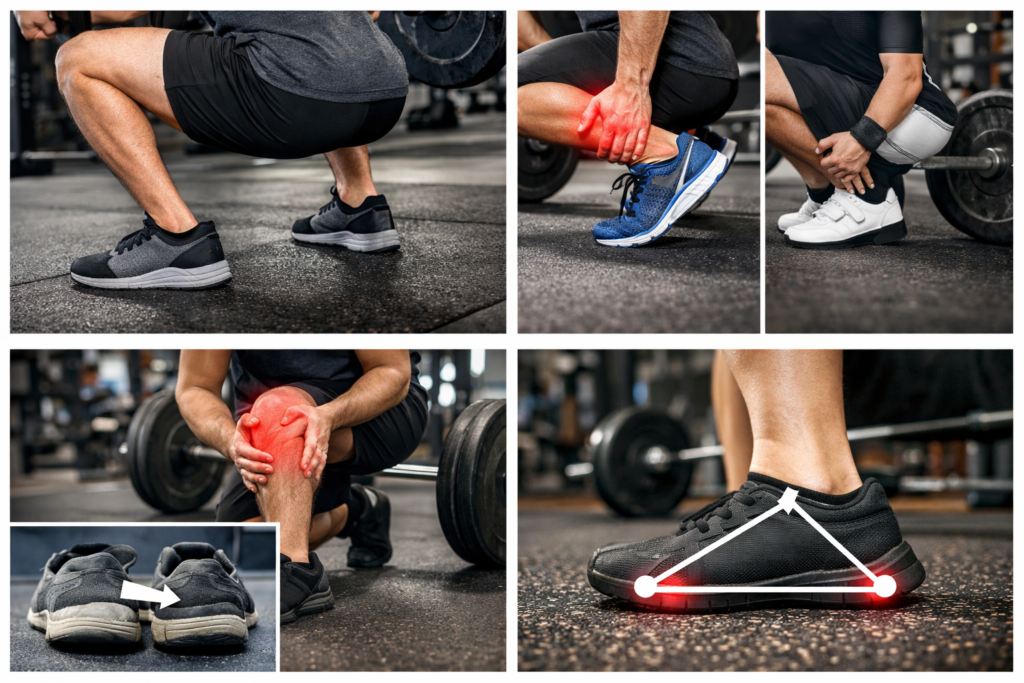
Gym-shoes-stability-and-joint-loading-effects

Can Wearing the Wrong Shoes at the Gym Slowly Wreck Your Knees and Hips?

Walking into the gym wearing the wrong shoes almost never feels like a mistake at first. Nothing pinches, nothing stabs, nothing forces you to stop mid-set and rethink your life choices. Most of the time, everything feels fine enough to keep going, which is exactly why the problem flies under the radar for so long.

Can Wearing the Wrong Shoes at the Gym Slowly Wreck Your Knees and Hips? Read More »

Nighttime-ab-exercise-on-bed-with-focus-on-core

Is it bad to do ab workouts right before sleep?

Doing crunches in pajamas five minutes before bed sounds like one of those ideas that either makes you a peak-discipline legend… or gives you heartburn. The truth sits somewhere in the middle. Training abs before sleep is not automatically “bad”, but it has different outcomes depending on how, how intensely, and what condition you’re in

Is it bad to do ab workouts right before sleep? Read More »

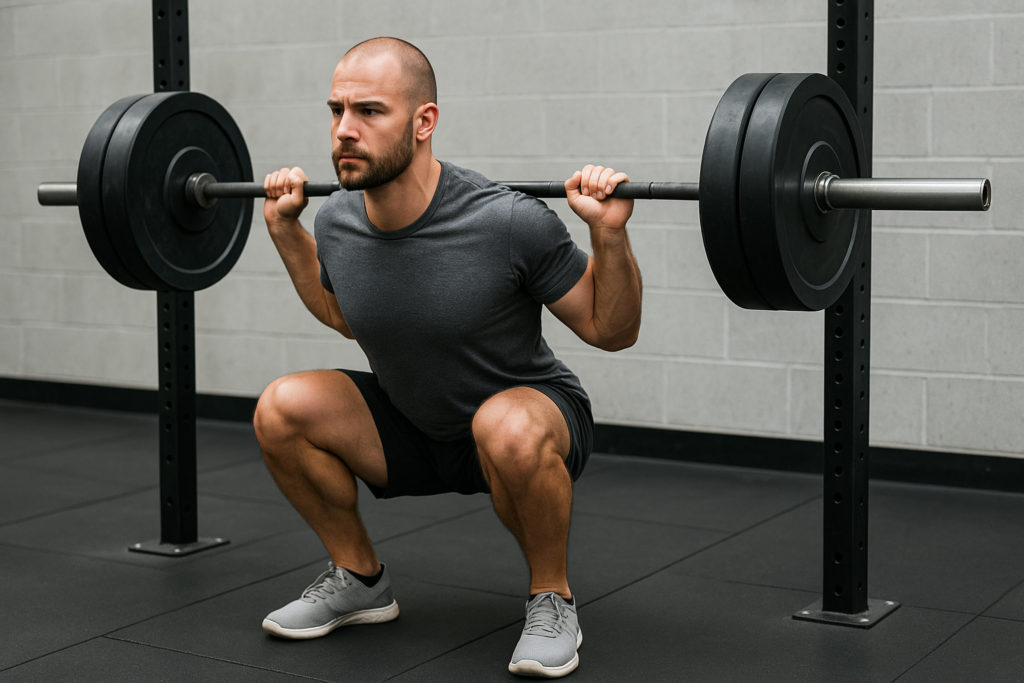
Deep-squat-barbell-position-with-proper-form

Why your knees hurt during deep squats — and it’s not form

There’s nothing more annoying than telling someone your knees hurt during a deep squat and hearing the automated, lifeless response: “Your knees are going too far forward.” Like someone downloaded a free trial of “Squat Coaching 1.0” and never upgraded. The assumption that all knee pain comes from bad form is way too simplistic, and

Why your knees hurt during deep squats — and it’s not form Read More »

Can-a-shoulder-injury-end-a-pro-athlete’s-career

Can a Shoulder Injury Really Bench a Pro Athlete?

It happened again Another professional pitcher, another shoulder issue, another press conference with the classic “don’t worry, it’s just inflammation” tone. The lucky guy? Pablo López, pitcher for the Minnesota Twins. The problem? The same cursed shoulder. And before you say “well yeah, but I don’t play baseball,” hold up a second. Because if someone

Can a Shoulder Injury Really Bench a Pro Athlete? Read More »

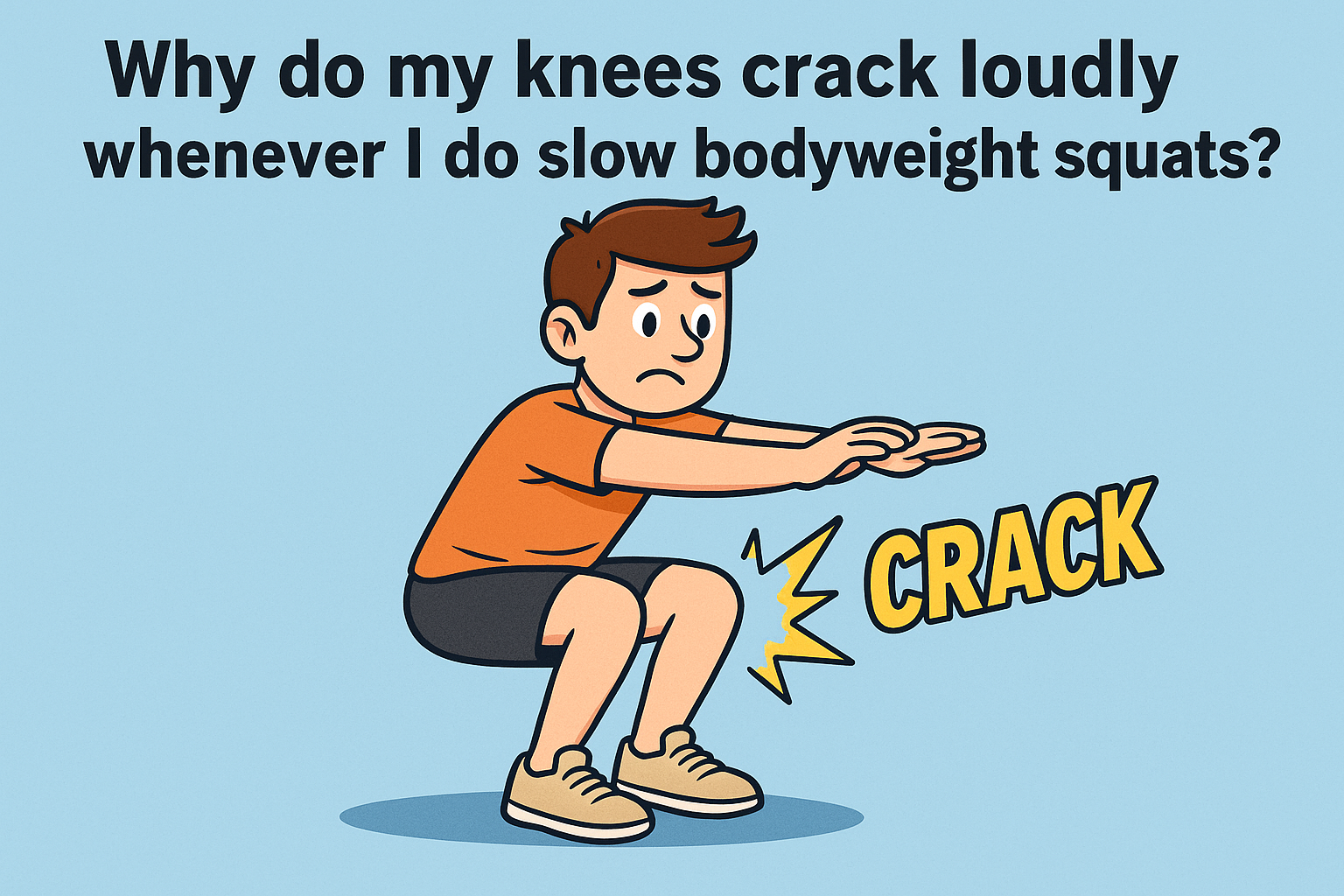
Is-It-Normal-If-My-Knees-Pop-During-Squats

Why do my knees crack loudly whenever I do slow bodyweight squats?

Leg Day. The playlist is on fire, the mirror is staring back at you. You get in position—feet wide, core tight, chest up. You descend slowly into a textbook squat, like a true disciple of time under tension. And then… CRACK. A sharp, deep sound. The first time, you pause. The second, you laugh it

Why do my knees crack loudly whenever I do slow bodyweight squats? Read More »

Can-you-train-shoulders-with-shoulder-pain?

Can I still do shoulder workouts if my shoulder feels a bit impinged?

If you’ve ever felt that strange twinge in your shoulder during a workout and thought, “Can I really keep training?” you’re not alone. You might lift weights like a superhero one day. The next day, just raising a glass makes your shoulder scream for vengeance. Welcome to the club. Subacromial impingement isn’t just a fancy

Can I still do shoulder workouts if my shoulder feels a bit impinged? Read More »