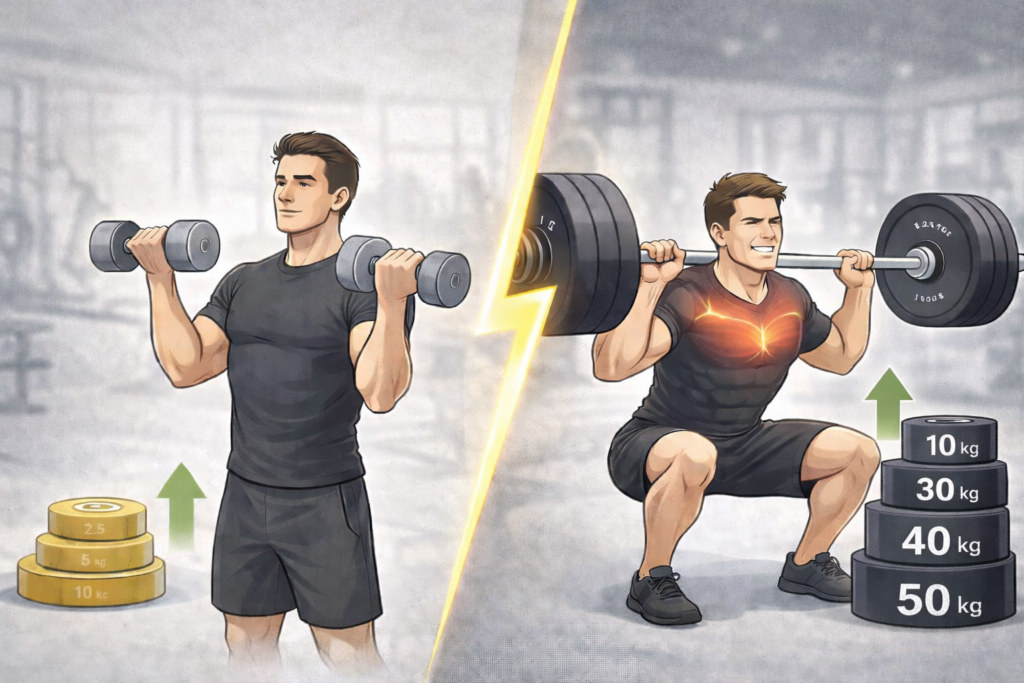
You might have asked yourself this in a gym once while staring at a rack of dumbbells like it was a Sudoku puzzle.
“Should I grab the 8 kg ones and go forever, or the 30 kg ones and die immediately?”
And honestly, I get it.
Because people talk about “light vs heavy” like it’s a personality test.
In real life, it’s not that clean.
It’s more like… choosing shoes.
Running shoes aren’t “better” than hiking boots.
They’re better for a specific job.
Same deal with weights.
Heavy vs Light Lifting: What’s Better?
Both can build muscle very well.
If the sets are hard enough and done with good technique.
You can grow with sets of 5 reps.
You can grow with sets of 15 reps.
The difference is how you manage fatigue, comfort, and form.
Heavy sets are stressful on joints and nervous system if you push them constantly.
Light sets are stressful in a different way because they burn and drag, and they’re easy to “cheat” mentally by stopping early.
Light or Heavy? You’re Looking at the Wrong Thing
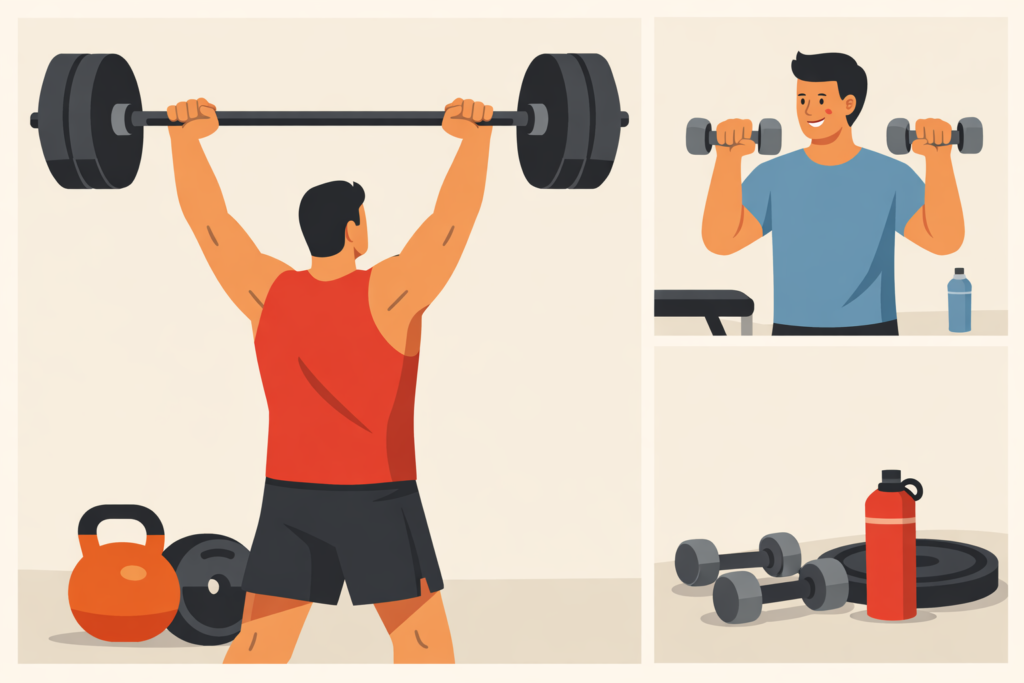
The real question is what the weight does to your body when you lift it.
Because a “light” weight can be brutally effective if it forces you to work hard.
And a “heavy” weight can be useless if you lift it with the enthusiasm of a shrug and the technique of a folding chair.
So instead of asking “light or heavy,” I learned to ask:
- How many clean reps can be done before form starts slipping.
- How close the set gets to real effort (not “kind of tired,” but “okay, that was work”).
- Whether the target muscle is doing the job, or other parts are stealing it.
- Whether joints feel stable and controlled, or weird and cranky.
That’s where the answer lives.
When a Weight Starts Becoming Heavy
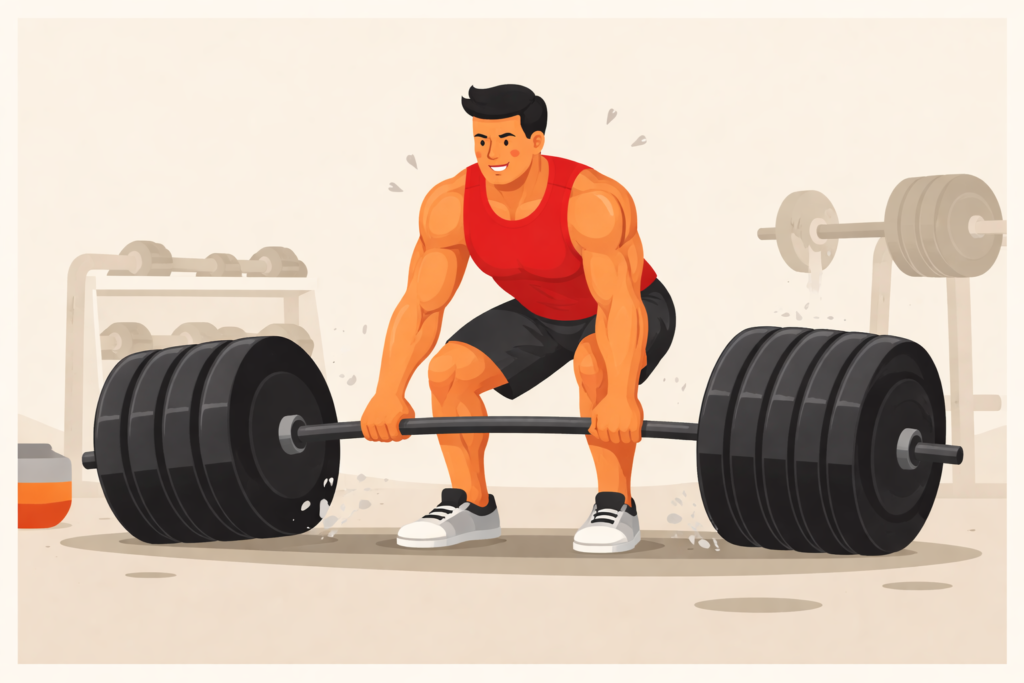
“Heavy” doesn’t mean “maximum.”
It usually means a load that makes reps slow down pretty quickly.
Think something like 3 to 8 reps where the last reps feel like you need to concentrate hard to keep everything clean.
Heavy lifting is great at building strength, and it can build muscle too.
It has this “signal” quality where your body goes, “Oh wow, we need more force here.”
But heavy sets demand more attention.
If someone is brand new, heavy sets can turn into a mess fast, simply because the body hasn’t learned the movement yet.
How to Tell If a Weight Is Truly Light
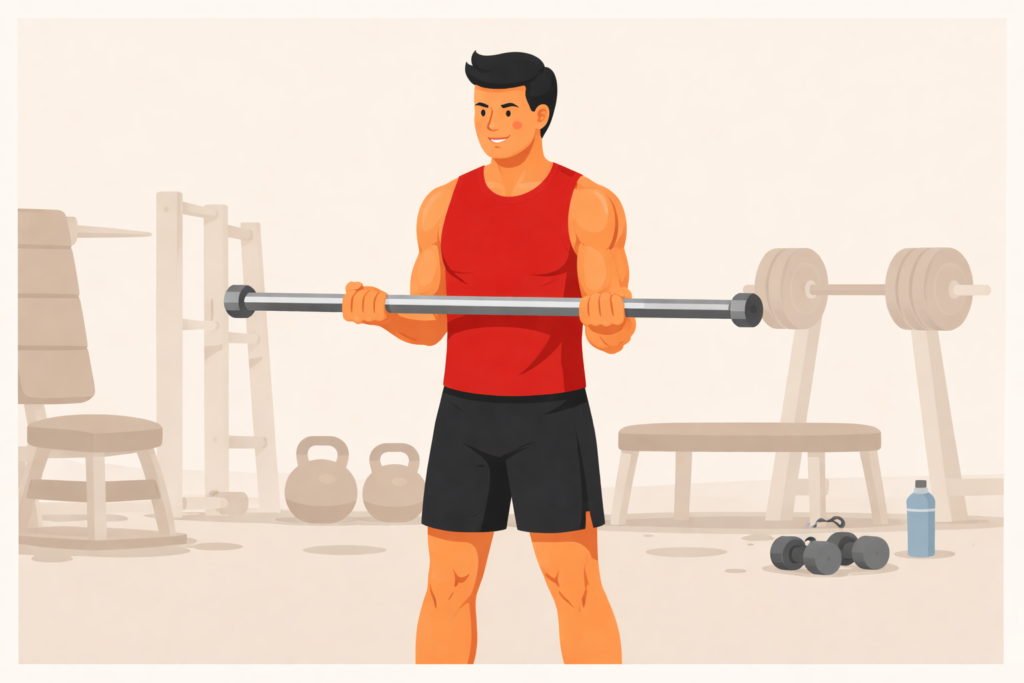
“Light” usually means a load you can lift for 12, 15, 20, sometimes 30 reps.
Light lifting is not “worse.”
It just creates effort differently.
It’s like the difference between carrying one heavy grocery bag from the car… or carrying five medium ones back and forth until you start regretting every life choice.
Light loads can build muscle extremely well when the set is taken close enough to real fatigue.
The catch is that people often stop too early.
They do 15 reps, feel a mild burn, then leave.
That’s not light training.
That’s cardio with objects.
How I Started Looking at Heavy and Light Weights Differently
If a set ends and you feel like you could have done the same number of reps again, the set didn’t do much.
It might have practiced the movement.
It might have warmed you up.
It might have made you feel productive.
But it didn’t create a strong reason for your body to change.
So I stopped judging workouts by the number on the dumbbell.
I started judging them by the last 3 reps.
Because the last 3 reps tell the truth.
A Real Gym Scene: The “Light Weights Are Pointless” Myth
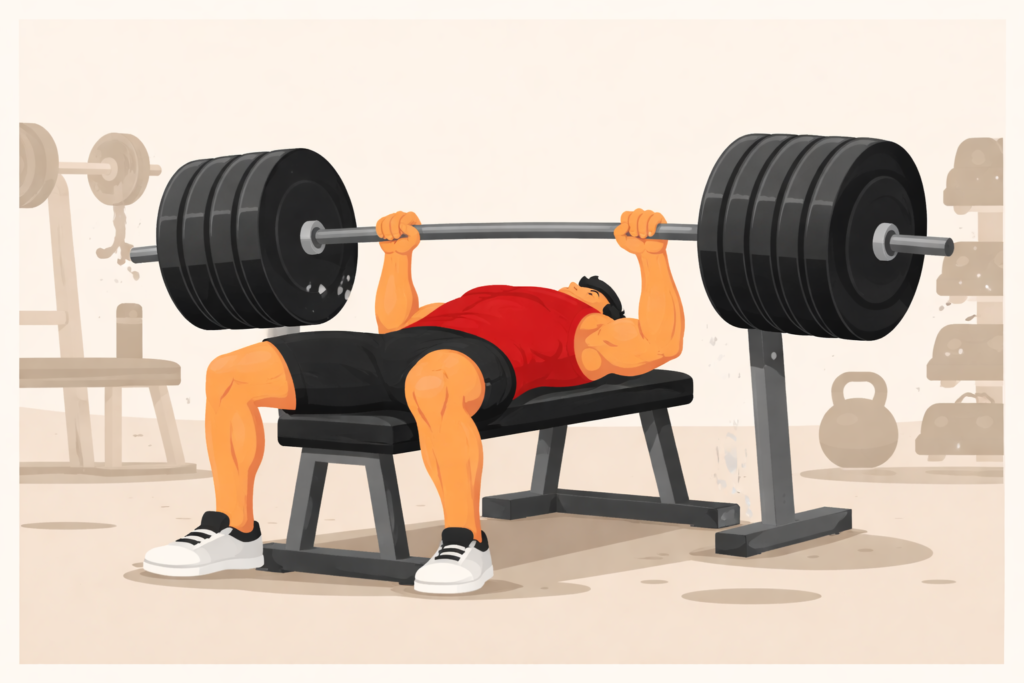
I watched a guy bench press pretty heavy and look impressive.
Fast reps.
Short range.
Bouncing.
Then he’d rack the bar like nothing happened.
Meanwhile, another guy was benching lighter.
Slower reps.
Full control.
Pauses.
His face looked like he was mentally negotiating with the bar.
If you asked who was “training harder,” the answer wasn’t the heavier weight.
The answer was the set quality.
Heavy weight can be a shortcut to ego lifting if control disappears.
Light weight can be a shortcut to muscle if effort and form stay honest.
What Each Style Is Best At
Heavy Weights Are Amazing For Strength
Heavy work trains the nervous system to produce force.
That means the body gets better at recruiting muscle fibers fast and efficiently.
Even if that sounds technical, the “feel” is simple:
Heavy training makes you feel like you’re learning how to push harder.
It also teaches tightness, bracing, and focus, because sloppy heavy reps punish you immediately.
Light Weights Are Amazing For Muscle Growth If You Get Close Enough To Fatigue
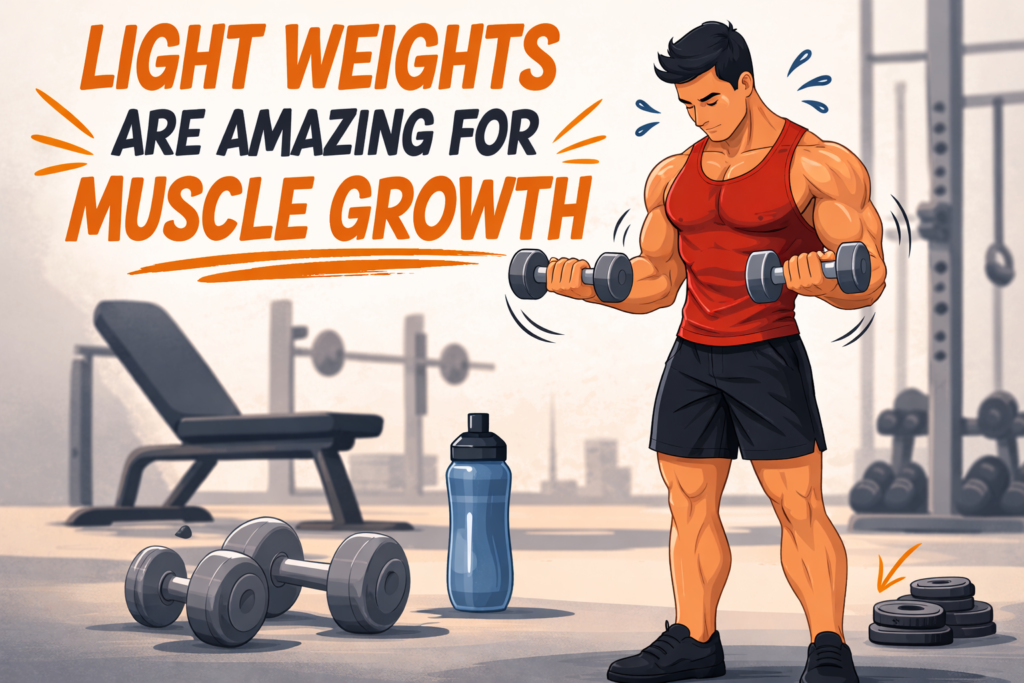
Light work can create a long set where the muscle stays under tension for a while.
That “staying under tension” is one of the big drivers of hypertrophy (muscle growth).
But it only works when the set becomes challenging near the end.
If the set stays comfortable, it’s just movement practice.
How I Land on the Right Weight Without Turning It Into a Mental Puzzle
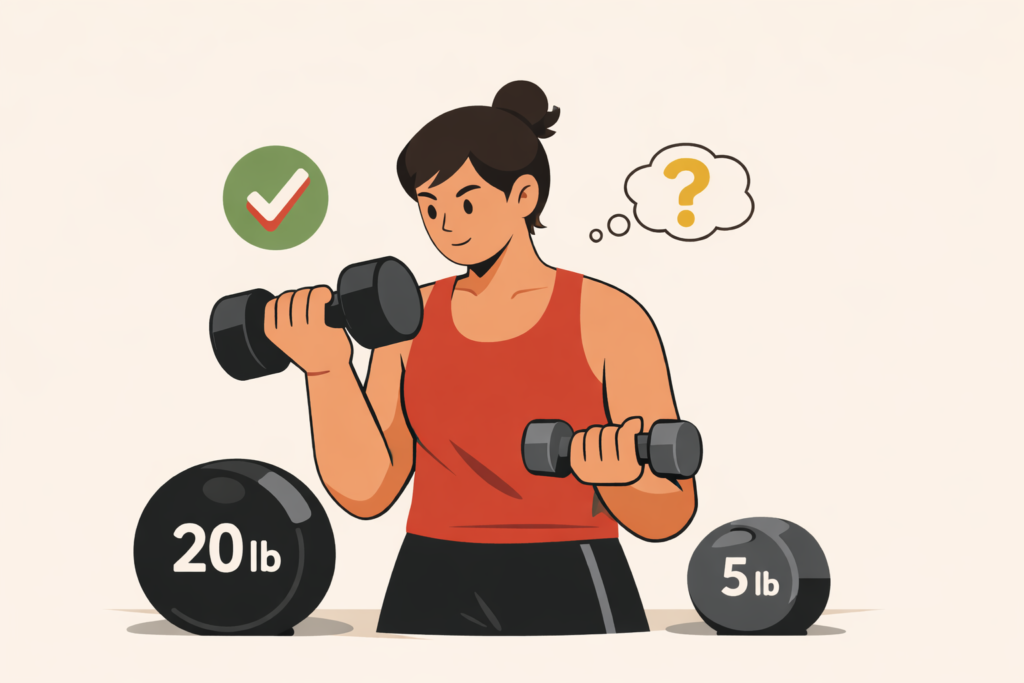
I use a simple method that works for almost any exercise.
Pick a weight that allows clean reps at the start.
Then keep going until reps slow down and the set becomes seriously challenging.
The set should end with maybe 0 to 3 reps left in the tank.
That means:
- If you had a gun to your playlist, you could grind out a couple more.
- But your form would start collapsing if you kept pushing.
- And you know it.
That’s the sweet zone for growth and strength improvements without turning every set into a circus.
Real Gym Example: Light vs Heavy Effort
Let’s say it’s dumbbell shoulder press.
A lot of beginners pick 8 kg and do 3 sets of 12.
They finish, put the dumbbells down, and feel… fine.
The shoulders feel “worked,” but not truly challenged.
Now I’ll show what “light” and “heavy” might look like in two honest sessions.
A Heavier Approach (Strength-Leaning)
Dumbbell shoulder press: 22 kg per hand.
Lighter sets:
- 10 kg x 10 reps, slow and clean.
- 16 kg x 6 reps, still easy.
Working sets:
- 22 kg x 6 reps, rest 2 minutes 30 seconds.
- 22 kg x 5 reps, rest 2 minutes 30 seconds.
- 22 kg x 5 reps, rest 2 minutes 30 seconds.
Tempo and control:
- 2 seconds up.
- 1 second pause near the top.
- 2 seconds down.
Where The Set Usually Ends:
The first rep feels solid.
By rep 4, the dumbbells feel like they’re pulling your elbows out of position.
By rep 6, you’re bracing your abs hard, your glutes are tight, and you’re moving slow on purpose.
The set ends because another rep would either be ugly or risky.
That’s heavy training done right.
A Lighter Approach (Muscle-Leaning)
Dumbbell shoulder press: 14 kg per hand.
Lighter sets:
- 8 kg x 12 reps.
- 10 kg x 10 reps.
Working sets:
- 14 kg x 16 reps, rest 90 seconds.
- 14 kg x 14 reps, rest 90 seconds.
- 14 kg x 12 reps, rest 90 seconds.
Tempo and control:
- 2 seconds up.
- No bouncing.
- 3 seconds down.
Where The Set Usually Ends:
Reps 1–8 feel like a warm-up.
Reps 9–12 start to burn.
Reps 13–16 are where you need focus to stop the shoulders from shrugging up and stealing the work into your neck.
You stop because the next rep would turn into a weird half-rep with your back arching like a confused cat.
That’s light training done right.
When Heavy Weights Start Controlling the Lift
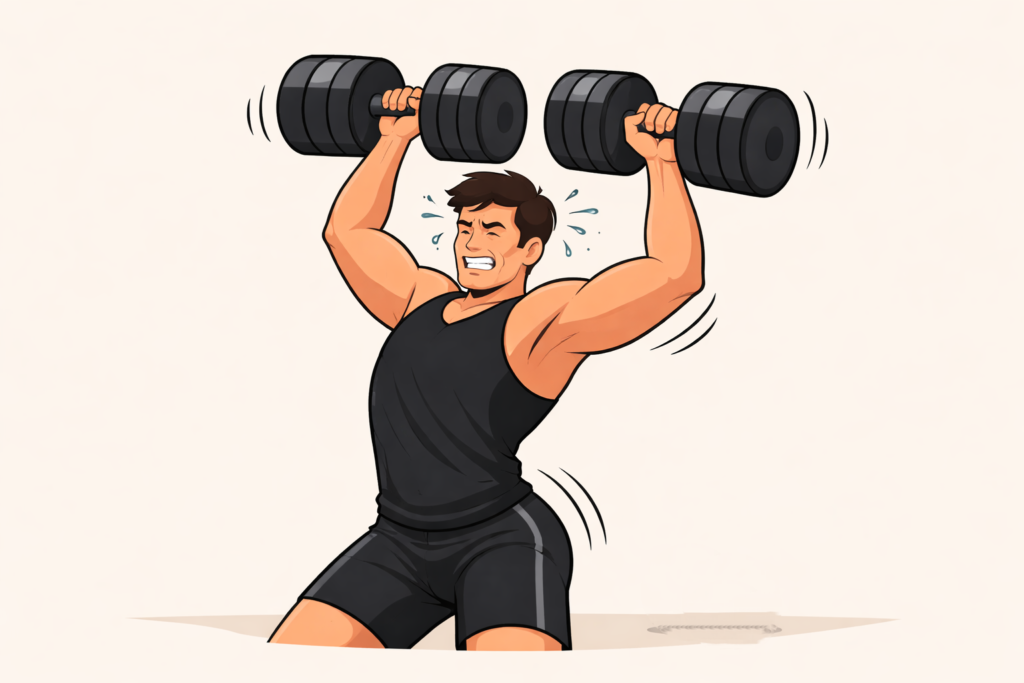
Heavy lifting is amazing until technique gets “negotiable.”
When the load is too high, the body finds shortcuts.
Shortcuts look like:
- Cutting range of motion (half reps that never reach the muscle’s full work range).
- Bouncing out of the bottom (turning joints into trampolines).
- Moving fast to avoid tension (speed becomes a way to escape effort).
- Using the wrong muscles (lower back doing rows, neck doing shoulder work, hips doing curls).
If you see someone “lifting heavy” but everything looks rushed, it’s usually the weight controlling the lifter.
Not the other way around.
When Light Weights Start Losing Their Effect
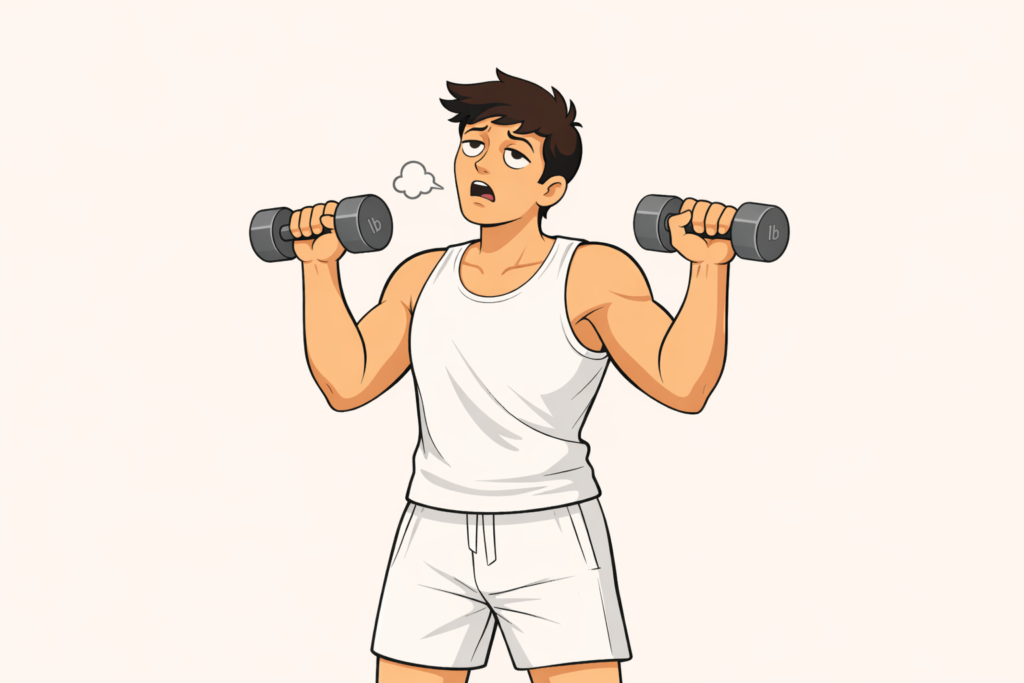
Light training dies when the set ends too early.
This happens because early reps feel easy, so people assume the set is “done” when it starts burning.
But the burn is often just the entrance fee.
The actual useful reps are the ones where you’re still controlled, but you’re fighting fatigue.
Common light-training shortcuts look like:
- Stopping at 12 because the program says 12, even though 12 felt easy.
- Speeding up reps to finish faster.
- Losing posture because “it’s light anyway.”
- Taking 4-minute rests, which turns the set into a fresh-start every time and kills the point of higher reps.
Light training works best when you keep it honest.
Slow enough to control.
Close enough to fatigue.
Short enough rests to keep the muscle working.
Where to Begin with Light and Heavy Weights (So the Body Learns the Movement)
If someone is new, the first job is learning the movement properly.
That means starting with moderate weights that allow control.
Heavy lifting too early tends to teach bad habits because the body is just trying to survive the rep.
Light lifting too early can be fine, but beginners often drift into sloppy reps because “it’s not heavy.”
So the sweet spot is usually moderate reps with clean form.
Something like 8–12 reps is a practical starting range for most exercises.
Not because it’s special.
Because it’s easier to learn good reps there.
Choose Exercises That Are Easy To Control
Good beginner-friendly options:
- Goblet squat (dumbbell held at chest).
- Dumbbell bench press (or push-up on a bench).
- One-arm dumbbell row (knee and hand supported on a bench).
- Dumbbell Romanian deadlift (hips back, slight knee bend).
- Lat pulldown or assisted pull-up (controlled vertical pulling).
These are easier to “feel” and safer to learn than complicated barbell versions right away.
When Heavy Weights Become The Better Tool
Heavy becomes more useful when:
- Technique is stable.
- You can repeat the movement the same way every time.
- You can brace properly (tight core, stable spine).
- You can stop a set before it turns into a fight for survival.
At that point, heavier work adds strength fast.
It also teaches tension and confidence under load.
When Light Weights Become The Better Tool
Light becomes more useful when:
- Joints feel cranky with heavy loading.
- You want more muscle-building volume without beating yourself up.
- You need more practice under tension.
- You’re training at home with limited weights.
The set ends because the muscle is cooked, not because you got bored.
Putting All of This Into One Session
Let’s say this is an upper body day with dumbbells and a pull-up bar.
Dumbbell Bench Press
First Lighter Sets:
- 12 kg x 12 reps.
- 16 kg x 8 reps.
Working:
- 24 kg x 6 reps, rest 2 minutes 30 seconds.
- 24 kg x 6 reps, rest 2 minutes 30 seconds.
- 18 kg x 15 reps, rest 75 seconds.
What happens during the set:
The 24 kg sets feel “tight” and focused.
The bar path is slow and you feel your chest working hard, not your shoulders taking over.
The 18 kg set starts easy, then becomes a deep burn around rep 11, and the last reps are controlled but shaky.
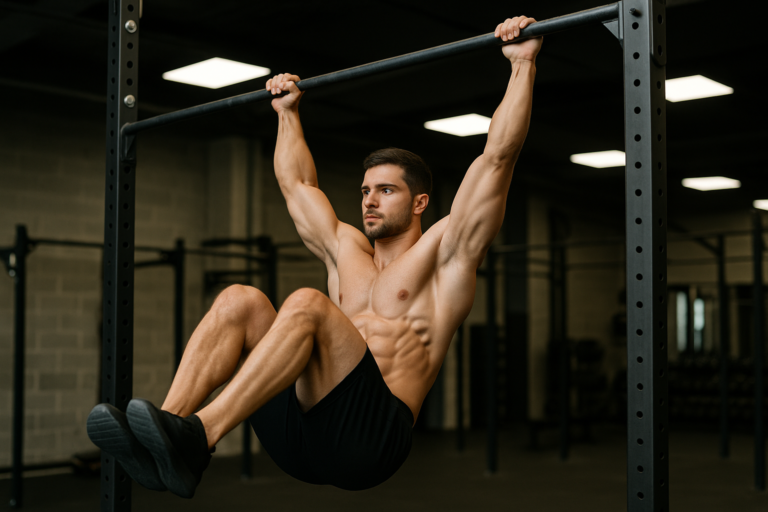
Pull-Ups (Assisted If Needed)
If bodyweight pull-ups are too hard, use a band or an assisted machine.
Working:
- 4 sets of 5 reps, rest 2 minutes.
Tempo: - 2 seconds up.
- 1 second pause at the top with chin near the bar.
- 3 seconds down.
What happens during the set:
The first reps feel clean.
By the last set, the forearms want to cramp and the shoulders want to shrug.
You keep the chest lifted, shoulders down, and move slower to stay in control.
One-Arm Dumbbell Row
Working:
- 3 sets of 10 reps per side with 26 kg.
- Rest 75 seconds between sides.
Tempo: - 1 second pull.
- 1 second squeeze at the top.
- 3 seconds lower.
What happens during the set:
The squeeze at the top makes the back light up.
If you rush, it turns into a biceps exercise.
If you slow down, you actually feel your shoulder blade moving and your back doing the job.
Total session time: about 45–55 minutes.
Not because time is magic, but because that’s enough work done well.
Conclusion
Light is better when it creates real fatigue with clean reps.
Heavy is better when it builds strength without turning reps into chaos.
Neither is automatically “better.”
The better choice is the one that matches your current skill, your goal, and your ability to keep reps controlled.
If you’re new, learning control matters more than chasing load.
If you’re more experienced, heavier work becomes a powerful tool, and lighter work becomes a powerful companion.
And if your training life is currently “whatever dumbbell is closest,” don’t worry.
That’s how most people start.
The upgrade is simple: make the last reps honest, keep the movement clean, and pick the weight that lets you do that.