
I used to joke that jumping squats were invented by someone who hated legs but also wanted to feel athletic at the same time.
Because the first time I tried them, I didn’t feel “powerful.”
I felt like someone shook a can of soda and told me to open it with my quads.
And somewhere between the third rep and the silent scream of my soul, I wondered if this was actually building muscle or just making me good at suffering.
Quick answer: Can You Really Grow Legs With Jump Squats Alone?
They recruit high-threshold motor units, boost power, and improve movement quality — all things that can indirectly support hypertrophy.
However, without load, volume, and progression, they tend to deliver more endurance and athletic reactivity than raw muscle mass.
Use them as a performance tool, not your primary hypertrophy driver.
Jumping squats for muscle growth: can explosive work actually build size?
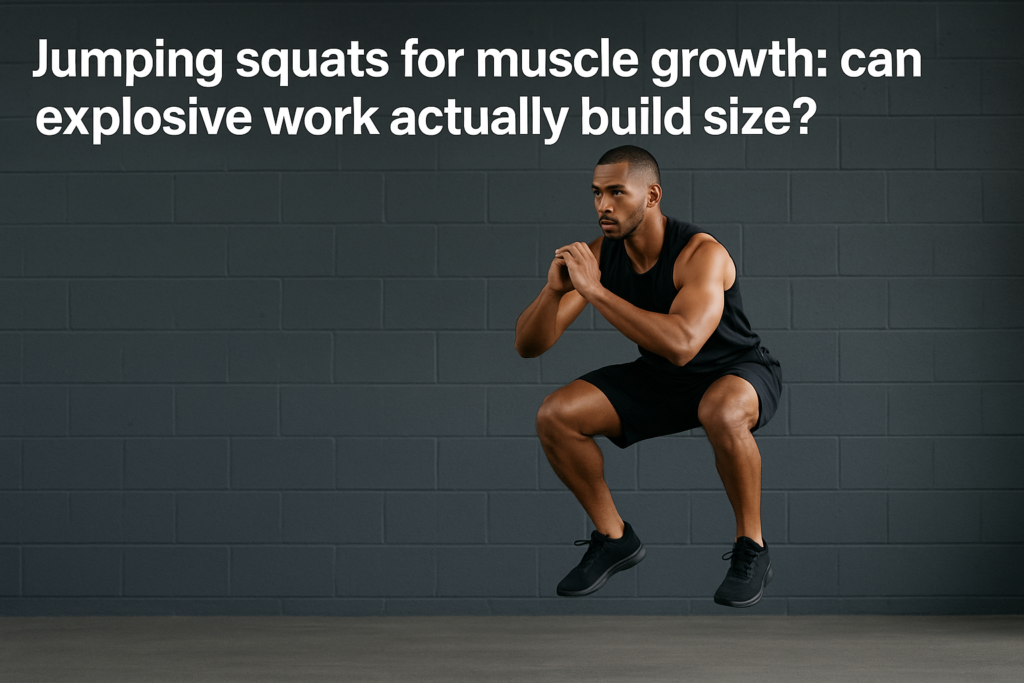
Jumping squats look like a conditioning drill.
Short bursts.
Fast reps.
A messy landing that makes every neighbor wonder if you’re wrestling a refrigerator.
So it’s normal to assume they only build endurance.
But here’s where things get interesting.
Explosive exercises recruit high-threshold motor units — the same muscle fibers involved in heavy squats, deadlifts, and all the stuff gym people brag about over their pre-workout.
Those fibers (Type II) are responsible for strength and hypertrophy, not just athletic performance.
So technically, yes, jumping squats can stimulate muscle growth because you’re tapping into the same machinery used for building size.
The problem is that the stimulus is short, the weight is low, and the fatigue curve is weird.
You get a huge neural demand and a quick burn, but not always enough mechanical tension to drive consistent growth unless you’re either a beginner or someone who just discovered legs two weeks ago.
What jumping squats actually do well: power, speed, and “that explosive snap”
Even if you’re chasing size, there’s a hidden benefit in explosive work that bodybuilders often ignore.
Most people lift like they’re trying to politely move furniture.
Slow.
Careful.
Almost apologetic.
But muscles don’t grow based only on how long you suffer during a set.
They respond to recruitment, force output, and high-intensity contractions.
Jumping squats force you to move violently.
They teach your quads, glutes, and calves to “fire now,” not “in a minute when you emotionally prepare.”
That kind of explosiveness can push your strength numbers up, even if your ego says it’s just cardio.
And when your heavy squat goes up, your legs generally grow with it.
Why jumping squats often fall short
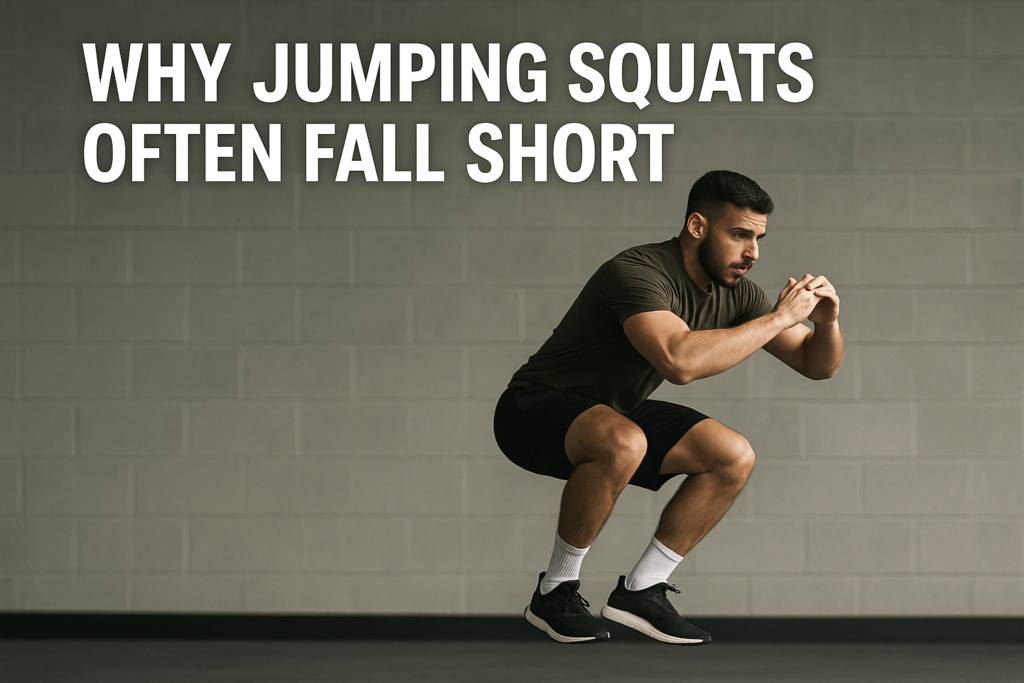
Whenever I see someone doing jumping squats for 30–60 seconds straight, I already know what’s happening.
They’re doing a conditioning workout disguised as “leg training.”
That’s not a bad thing.
But for muscle hypertrophy, endurance-style explosive work hits diminishing returns fast.
You stop producing force.
You start surviving.
And when survival kicks in, technique dies, intensity collapses, and it becomes a glorified pogo-stick audition.
Not exactly progressive overload material.
Volume and progression
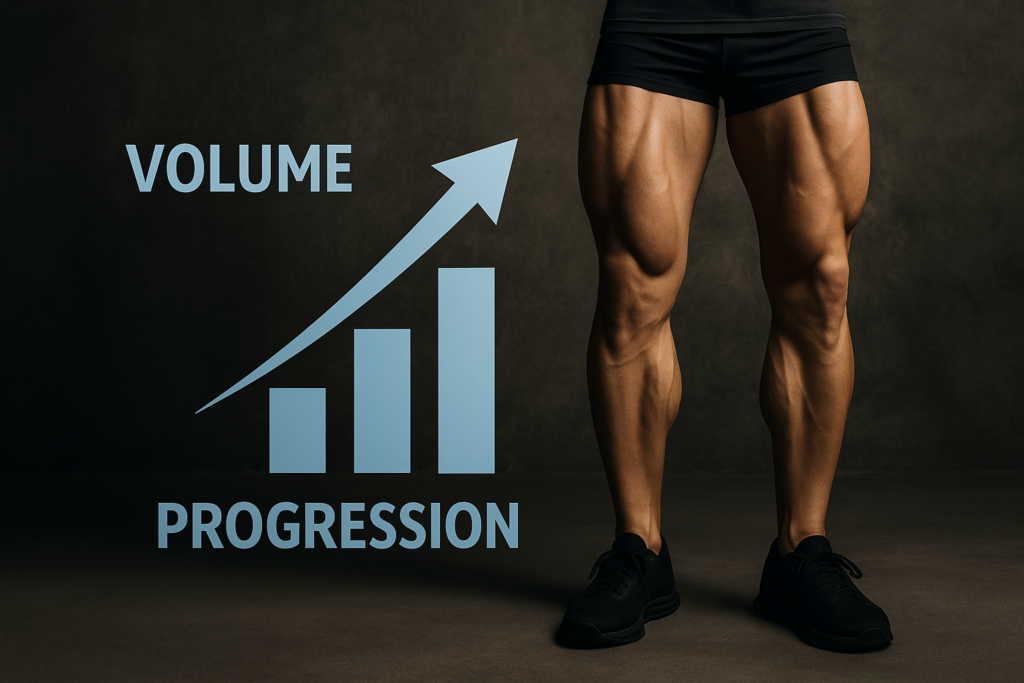
To build size, you need progressively heavier load, higher total work, or increased difficulty over time.
Jumping squats don’t scale well for that.
You can’t just keep jumping higher forever.
At some point you’ll meet your upstairs neighbor and end up on a local Facebook group.
So unless you add load — like a weighted vest, dumbbells, or bands — you’ll stall pretty quickly.
The movement is demanding, but it’s not sustainable for large training volumes.
Without volume, hypertrophy becomes a coin toss.
Jumping squats vs traditional squats
Regular squats are like building a house brick by brick.
Jumping squats are like learning to throw bricks at a high velocity.
Both require strength.
But only one gives you walls thick enough to show off in a tight pair of shorts.
Traditional squats deliver consistent tension, stable overload, and predictable structure — all things that drive muscle growth.
Jumping squats deliver brief spikes of force, neural fatigue, and metabolic chaos — great for performance, not always for mass.
Explosive Legs Look Better
Even though they’re not a pure hypertrophy tool, jumping squats can make your legs look more athletic, powerful, and tight.
They sharpen your movement quality.
Improve rate of force development.
Make your legs feel spring-loaded instead of “glued to the floor like the guy who skips leg day.”
And if aesthetics matter (they always do), that athletic snap can visually change how your legs move and look, even without dramatic size gains.
The role of loaded jumps for hypertrophy
If you genuinely want size, loaded jumps change the game.
A vest, dumbbells at your sides, or a trap bar setup (if you like chaos) add a mechanical challenge that bodyweight alone can’t deliver.
The reps are lower.
The landings slower.
The intent sharper.
And suddenly you’re not just burning calories…
You’re moving weight fast, which is one of the most underrated growth strategies in strength training.
Jumping squats for endurance vs hypertrophy
If you use jumping squats as conditioning, you’ll get:
- Better stamina
- More oxygen debt
- Improved work capacity
- Higher calorie burn
- Slight muscle definition
If you use them for strength/power, you might see:
- Faster contraction speed
- More athletic carryover
- Some hypertrophy if combined with heavier training
- Better squat performance
But if you want quads that stretch your shorts?
You need meat-and-potatoes lifting.
No matter how romantic explosive training sounds.
Where jumping squats fit in a muscle-building program
Think of jumping squats like hot sauce.
Add too little and nothing changes.
Add too much and you regret life choices.
But the right amount?
Suddenly the meal tastes better.
A muscle-building program with jumping squats should still revolve around:
- Squats
- Lunges
- Hack squats
- Bulgarian splits
- Leg presses
And then sprinkle 2–4 sets of jumps to wake up your nervous system and sharpen your explosiveness.
Final thoughts
If you love jumping squats, keep them.
They’re fun.
They’re spicy.
They make you feel like you could outrun a cheetah for at least two seconds.
But don’t expect them to magically build tree-trunk legs without structure, load, or progression.
Mix them with real strength work.