Every time I step into the squat rack, I can’t help but notice the shoe parade happening around me.
There’s always that guy in beat-up Chucks, looking like he hasn’t bought new shoes since high school.
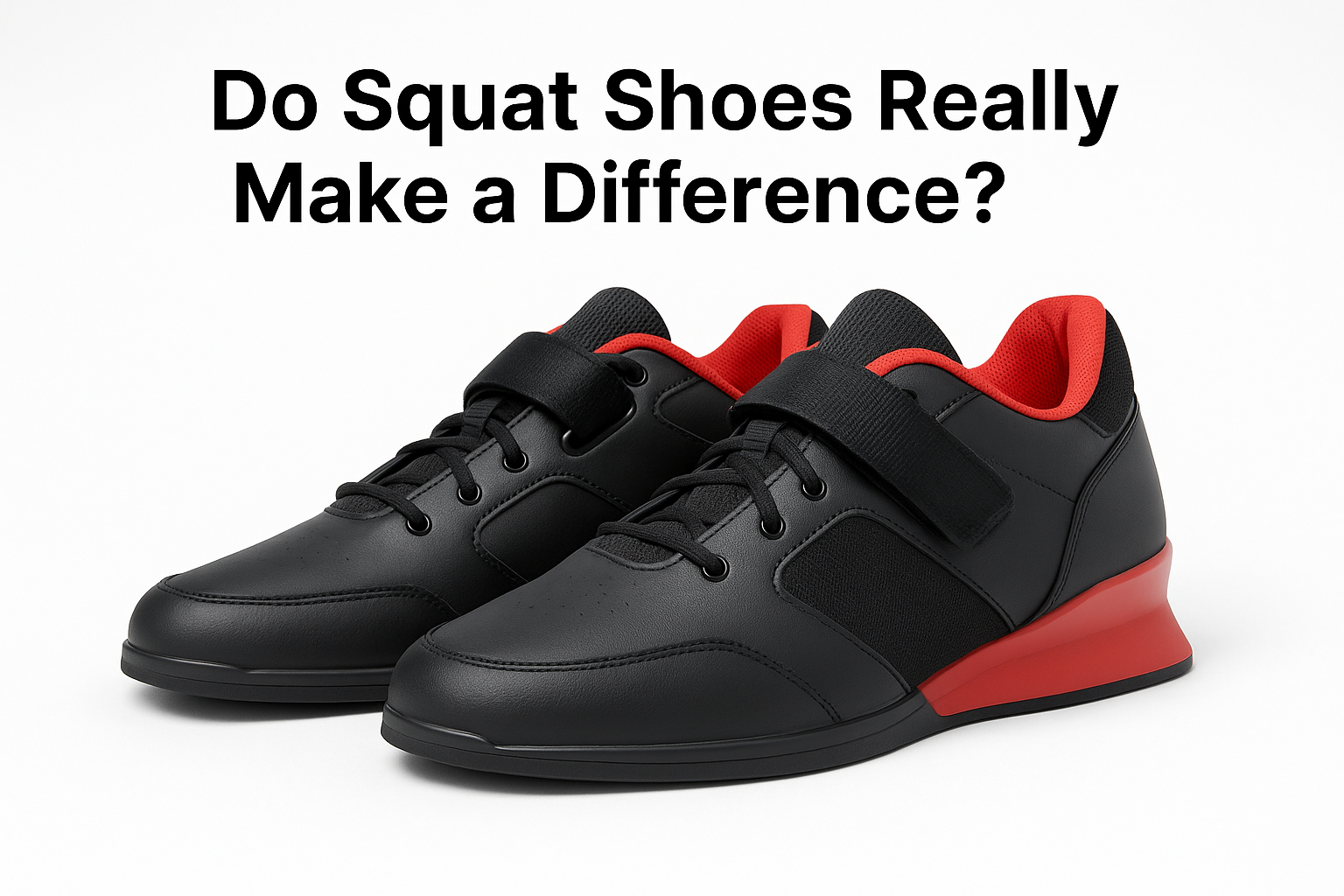
Then there’s the lifter strapping into squat shoes that look like bowling shoes on steroids.
And of course, the barefoot warrior who looks like he just rolled out of a yoga retreat and decided, “Yeah, let’s throw three plates on my back.”
I used to stand there wondering: who’s actually onto something?
Are squat shoes the secret weapon for heavy lifting, or are they just another way for the industry to make us feel like we’re not legit unless we buy them?
I’ll be honest—I was skeptical for years.
But after enough wobbly squats and finally deciding to try a pair, my perspective completely shifted.
And now, I’ve got plenty of thoughts to share.
The Physics Behind the Heel
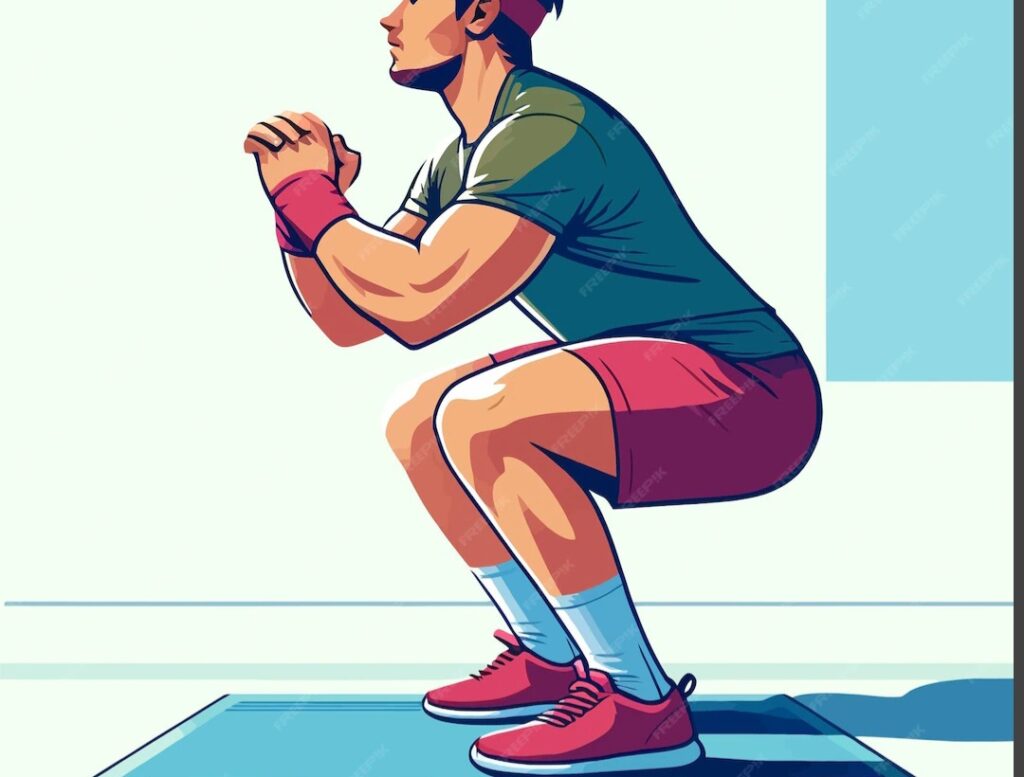
Squat shoes come with a raised heel—usually 0.5 to 1 inch—and that small detail changes the entire lift.
The angle of your ankle shifts so you don’t need as much mobility to hit depth.
For me, this was huge.
My ankles were always tight, and dropping below parallel felt like trying to bend a frozen hinge.
With squat shoes, suddenly I had room to sink down without folding forward like a lawn chair.
And the sole?
Firm as a sidewalk.
No squish, no cushion, no “am I standing on Jell-O?” vibes.
The first time I squatted in them, I thought, so this is what it’s supposed to feel like.
My weight felt balanced, my stance solid, my bar path smooth.
That little heel made my squat feel less like a guessing game and more like an elevator ride—straight down, straight up.
Stability: The Factor You Don’t Appreciate Until You Lose It
Before lifting shoes, I didn’t realize how much I was second-guessing my stance.
Every heavy rep came with tiny doubts: was my foot sliding, was my ankle rolling, was I leaning too far forward?
The day I squatted in lifting shoes, it was like anchoring my feet into concrete.
The bar felt heavier, sure, but I felt safer.
And that mental shift is something you can’t underestimate.
When you trust your base, you attack the bar with more confidence.
For me, that confidence alone made the difference between holding back and going for new PRs.
Not a Magic Fix
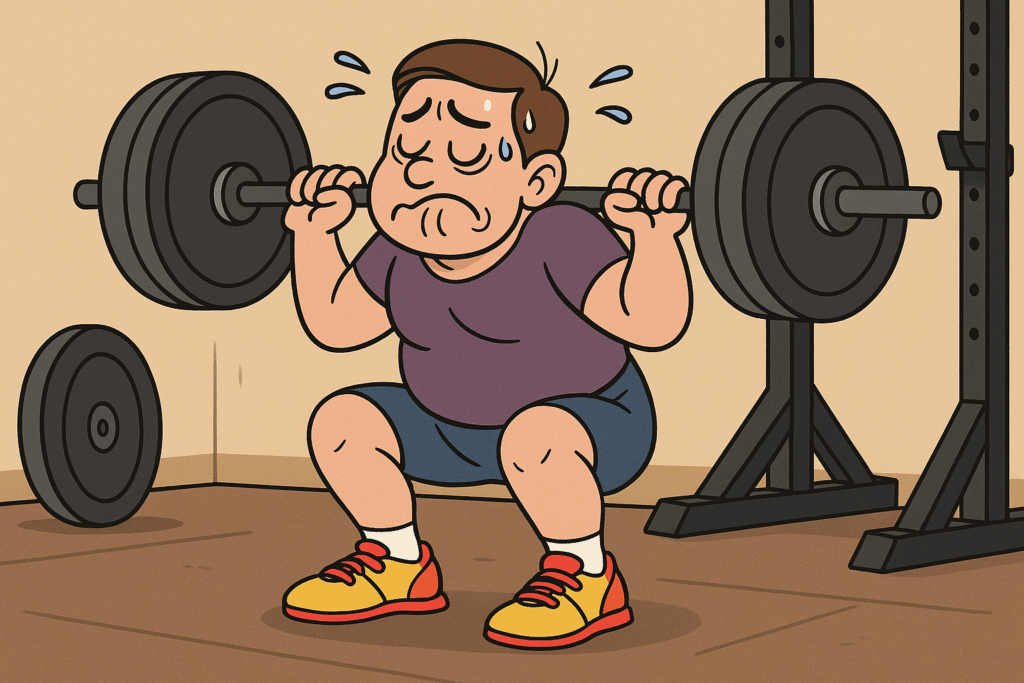
Now, let’s not twist it—squat shoes won’t save bad form.
I’ve seen lifters buy the fanciest pair money can get and still collapse under the bar like their spine was made of spaghetti.
Shoes can’t replace bracing, hip strength, or mobility.
When I got my first pair, I had this fantasy that they’d instantly take me to the next level.
Spoiler alert: they didn’t.
I still had to fix my weak points.
But they gave me a stable foundation to build on—and that’s what they’re really about.
Where They Shine the Most
I’ll be real with you—front squats were my personal nightmare before squat shoes.
My heels wanted to lift, my torso dumped forward, and I spent more time fighting balance than actually squatting.
The first time I tried them with lifting shoes, it was like unlocking a cheat code.
Suddenly, I could sit into the squat, chest tall, and not feel like bailing every rep.
High-bar squats? Same thing—smoother, more controlled.
And since I’ve got long femurs, the heel really evens the playing field.
Without it, squatting always felt like solving a geometry puzzle.
With it, my squat finally felt natural.
If you’re a low-bar powerlifter with a wide stance, though?
I’ll admit, you might not feel the same magic.
I’ve got friends who crush huge numbers in Chucks and wouldn’t trade them for anything.
Different mechanics, different tools.
My Turning Point
I hit a wall in my squat progress once.
Months of grinding, no PRs, no breakthrough.
Squats started to feel like punishment instead of progress.
That’s when I finally caved and bought a pair of lifting shoes.
Not even the top-shelf ones—just a decent pair on sale.
That first heavy session? Depth felt smoother, torso stayed upright, and for the first time in ages, I felt like I was controlling the weight instead of the other way around.
Did they add 50 pounds overnight? Nope.
But they gave me momentum again.
And when you’ve been stuck for months, that feeling is priceless.
Stories From the Gym Floor
I’ve seen plenty of moments in the gym that convinced me these shoes aren’t just hype.
My buddy Dave used to clown on everyone wearing lifting shoes.
“Waste of money,” he’d say, proud in his Chucks.
Then he tried mine.
First rep, he turned around with wide eyes like he’d just discovered fire.
“Dude. I didn’t know squats could feel like this.”
He ordered his own pair that week.
I’ve also seen beginners try to squat in big, cushy running shoes.
Watching their knees wobble and their ankles roll was like watching someone try to squat on a trampoline.
Half the gym held its breath until they racked it.
And yeah, I even tried barefoot squats once because I read they were the most “natural.”
Two sets later, my arches were screaming and I realized concrete floors aren’t quite the same as grass.
Lesson learned.
All these stories point to the same truth: the right shoe doesn’t make you stronger, but it makes the lift feel better.
And in lifting, feel matters.
When you feel locked in, you lift with confidence.
When you feel unstable, even warm-up sets can rattle you.
Experience Matters More Than You Think
Here’s something research confirms—squat shoes benefit experienced lifters more than beginners.
When I was new, I wouldn’t have noticed half the difference.
My form was messy, my core wasn’t solid, and my weak points were everywhere.
Shoes can’t fix that.
But once I got stronger, every tiny detail mattered.
Two degrees more depth, two centimeters less torso lean—those aren’t small wins when you’re squatting heavy.
So if you’re just starting out, don’t rush.
But if you’re past the beginner stage and chasing real numbers, that’s when squat shoes become more than hype.
How High Should the Heel Be?
My first pair had a pretty tall heel, and honestly, it felt weird.
Like squatting on stilts.
Over time I adapted, but it taught me that heel height really matters.
Most lifters do best with 0.75 to 1 inch.
That’s enough to help with ankle mobility and posture, without pushing your knees too far forward.
Too low, and you don’t feel the benefit.
Too high, and it messes with your mechanics.
It’s all about finding that “just right” spot for your body type and squat style.
The Science in Numbers
This isn’t just lifter lore—studies back it up.
Biomechanics research shows that lifting shoes can:
- Improve squat depth by 3–4 degrees.
- Reduce torso lean forward by around 2 cm.
- Shift the load more onto your quads and away from your lower back.
Those sound like small tweaks, but trust me—under 300+ pounds, they’re the difference between a rep that feels solid and one that crushes you halfway up.
Buying Tips Before You Pull the Trigger
If you’re hovering over that “add to cart” button, here’s my advice:
- Flat, solid sole only. Anything that compresses kills stability.
- 0.75–1 inch heel is the sweet spot. Too low = meh. Too high = awkward.
- They last forever. My first pair is still alive years later because I only wear them for squats.
- Try before you buy if you can. What feels right for me might not fit your squat style.
Who Should Actually Get Them?
Here’s the checklist for you:
- Do you squat heavy and often?
- Do you do front squats or Olympic lifts?
- Do you struggle with ankle mobility or feel unstable at the bottom?
- Do you want that extra layer of confidence when the bar feels crushingly heavy?
If yes, then squat shoes aren’t hype.
They’re a legit investment.
But if you’re casual, mostly low-bar, or perfectly fine in flat shoes, you’re not missing some secret weapon.
RELATED:》》》Do knee sleeves actually protect your knees, or just make you feel safer?
The Final Word
So, do squat shoes really make a difference for stability when lifting heavy?
For me, absolutely.
They didn’t fix my squat overnight.
They didn’t erase my weaknesses.
But they gave me a stronger base, a smoother path to depth, and the confidence to attack the bar.
And when you’re chasing PRs, sometimes that’s all you need.
Because when the weight feels heavy enough to crush you, the last thing you want to think about is whether your shoes can handle it.
You want to feel locked in, anchored, and ready to fight gravity with everything you’ve got.
And if a pair of squat shoes helps you feel like a tank instead of a wobbly Jenga tower?
Then no, it’s not hype.
It’s money well spent.