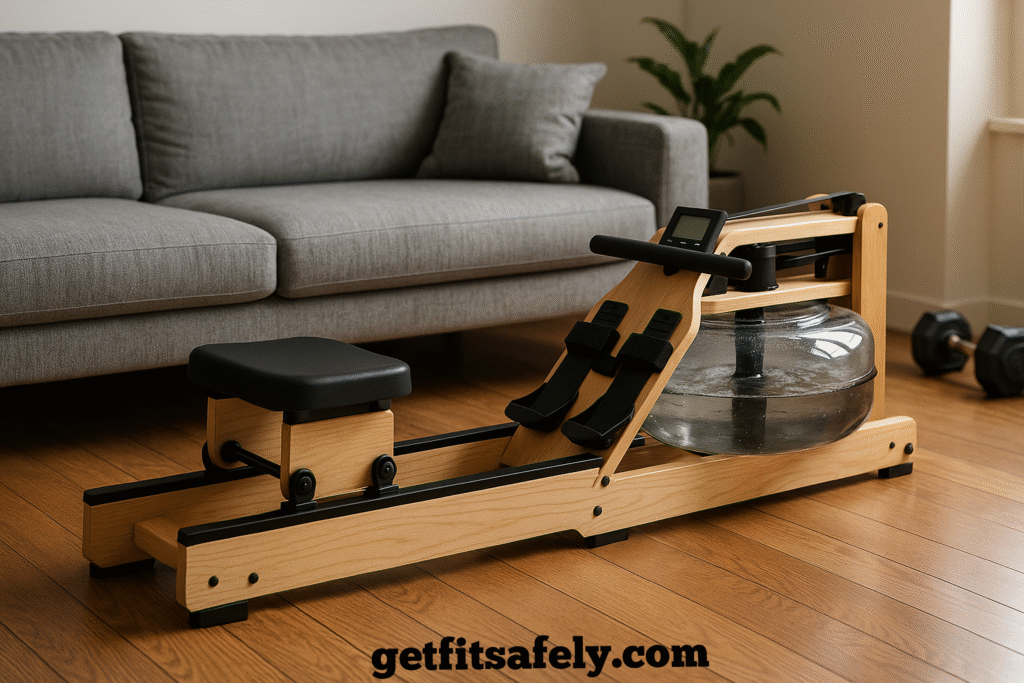
There’s something hypnotic about the sound of water turning with each pull on a water rower.
Even without open skies or wind on your face, it gives a strange sense of space — like movement and calm blending together.
It’s not real rowing, but it captures the essence: rhythm, breath, focus.
Almost like meditation disguised as cardio.
The first stroke: reality check meets nostalgia
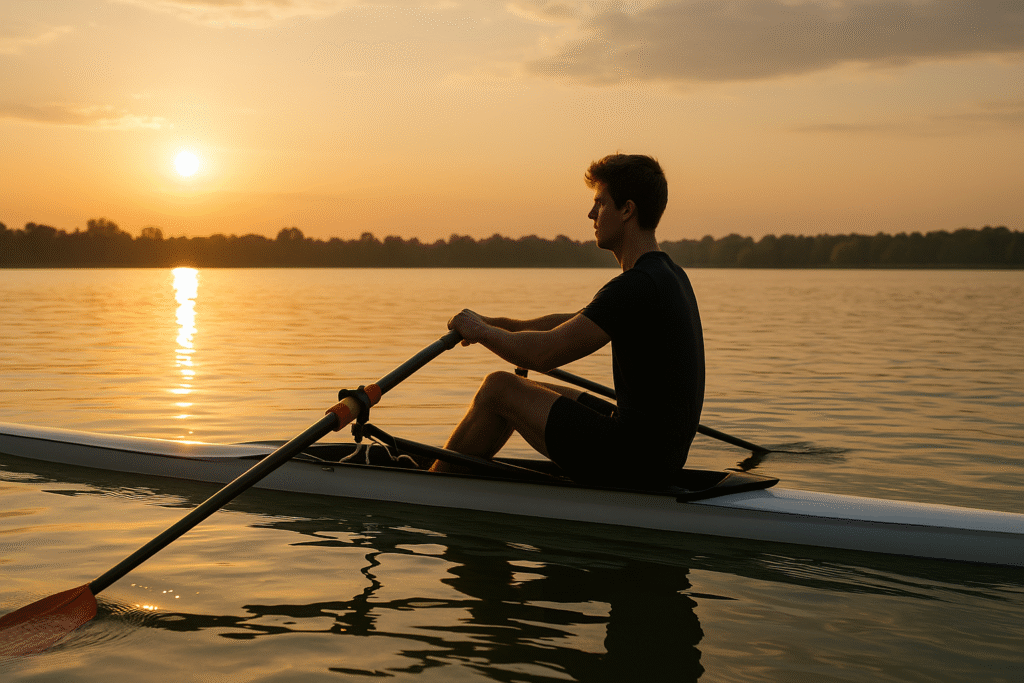
The moment you pull the handle, you do feel that gentle resistance — the swirl, the whoosh, the illusion of “real water.”
But here’s the thing: rowing on a machine in your living room is more like watching a nature documentary while eating popcorn — you’re part of it, but not really.
Still, the feedback is satisfying.
The way the flywheel pushes back on you?
t’s smooth, continuous, and oddly meditative.
And if you close your eyes (and maybe blast some ambient lake sounds on YouTube), it’s not too far off.
Just… no ducks.
What makes water rowers feel different
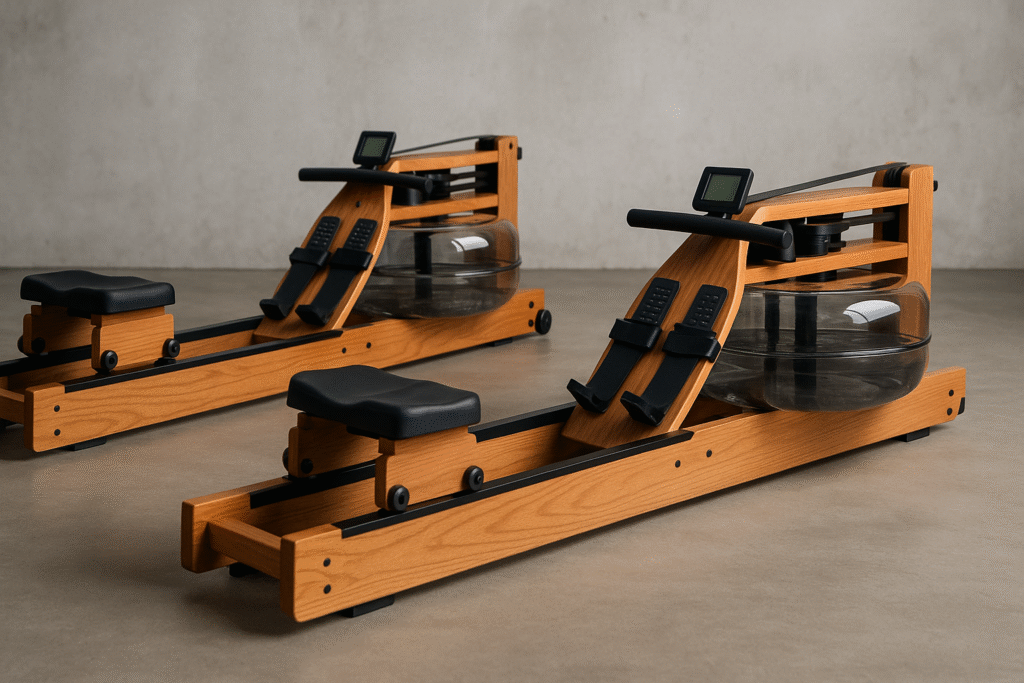
Here’s where things get interesting.
Compact water rowers use an actual tank filled with water as resistance.
The faster you row, the more resistance you generate — that’s called variable resistance, and it’s the closest thing to rowing against real water currents.
Most air rowers use a fan system, which feels harsher and louder.
Magnetic rowers?
Quiet, but a bit robotic.
Water rowers hit a weirdly perfect middle ground — smooth like rowing through honey, but reactive like an actual lake.
Plus, that sound of sloshing water?
It’s not just for vibes.
It helps you find rhythm, like a built-in metronome that makes you want to keep pulling just one more stroke.
The “compact” factor nobody talks about
Let’s be real: when you hear “compact,” you imagine something flimsy, right?
I did too.
But the modern compact rowers are surprisingly sturdy.
Some even fold up vertically, which is a blessing if your “home gym” is basically your living room corner.
The main difference you’ll notice is in the range of motion.
Since they’re smaller, some compact rowers have shorter rails — which means if you’re tall, you might feel like you’re doing half-strokes.
Most full-size rowers have a rail length of around 51–55 inches, while compact models often sit closer to 43–46 inches.
That might not sound like much, but for anyone over 6 feet, it changes the way your legs and hips engage at the catch phase.
It’s not a dealbreaker, but if you’ve ever rowed on open water, you’ll instantly notice that you’re missing a few inches of that graceful glide.
What your muscles actually feel
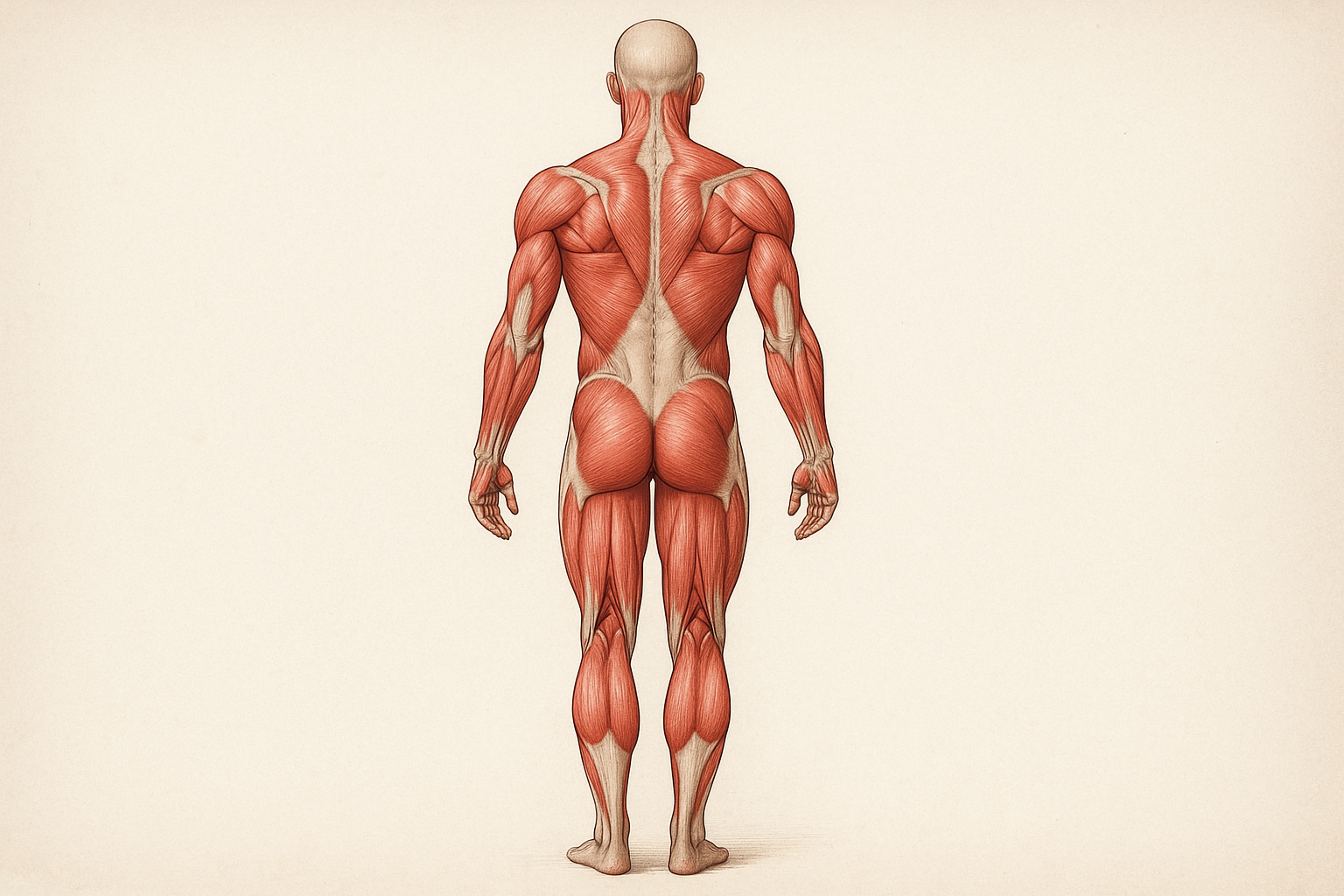
Here’s where I was pleasantly surprised.
A proper water rower still lights up your whole posterior chain — glutes, hamstrings, back, lats, even your forearms if you’re not slacking on your grip.
The catch phase (that initial pull) feels authentic because the resistance builds naturally, not instantly.
It forces you to drive with your legs, then smoothly transition through the core, and finally finish with your arms — just like in a real boat.
And if you’re consistent, your cardiovascular endurance skyrockets.
Studies have shown that 20 minutes of rowing can activate up to 85% of your major muscle groups — more than cycling or running at the same intensity.
After two weeks, I noticed I wasn’t gasping for air during my usual circuits — and that’s coming from someone who used to consider “rowing” a nice way to kill time between squats.
Feel vs. flow — the subtle difference
There’s something magical about the way water responds to effort.
On a lake, you feel micro-adjustments — wind, waves, balance shifts — and your body naturally adapts.
On a rower, you lose that unpredictability, but you gain something else: flow.
Once you get your rhythm, it’s like your body becomes part of the machine.
You don’t think about technique or pace — you just move.
The hum of the water, the pull of your core, the slide of the seat — everything syncs up, and it becomes this moving meditation.
Honestly, on days when my head’s all over the place, ten minutes on that thing clears me up better than coffee.
Where it falls short
No matter how fancy the marketing sounds, a compact water rower can’t replicate the instability, the smell, or the changing resistance of real waves.
You’re not balancing against nature — you’re balancing against your own boredom.
And unless you invest in a full-size rower, that shorter glide can slightly alter your posture and stroke length.
It’s not a huge problem for fitness purposes, but if you’re a competitive rower, you’ll notice the difference fast.
Plus, maintenance is a thing.
You’ll have to occasionally add purification tablets to the water and keep the tank clean — not a huge deal, but worth knowing before you buy.
Some tanks hold around 15–20 liters, and depending on your water quality, you’ll need to refresh it every 4–6 months.
Compact vs. full-size: what actually changes
I’ve tried both — and honestly, the difference isn’t as dramatic as you’d think, but it’s noticeable.
Full-size water rowers have a longer slide, which gives you that extended drive phase — it feels more “open,” more athletic.
Compact ones, on the other hand, are a little tighter and quicker. You get faster transitions, less glide time, and a higher cadence feel — kind of like sprinting versus cruising.
If you’re training for endurance or outdoor technique, go full-size.
If you’re focused on calorie burn, HIIT, or convenience, compact models hit the sweet spot.
In short: the full-size rower feels like rowing across a lake.
The compact one feels like rowing across a pond — but a really nice pond.
Check out this Water Rower on Amazon
So, can a water rower really replace the real thing?
If you’re chasing the experience of rowing — the peace, the rhythm, the mental reset — a compact water rower delivers enough of that to make it worthwhile.
If you’re chasing authenticity, it’s about 80% there.
And honestly, that’s pretty amazing for something that fits next to your laundry basket.
For most people, it’s not about copying a lake perfectly. It’s about creating a ritual — a space to breathe, move, and challenge yourself.
If a bit of sloshing water in a tank helps you find that, then yeah — it’s absolutely worth it.
Final thoughts
A compact water rower won’t make you feel like an Olympic sculler gliding across glassy water.
But it will remind you what that kind of focus feels like.
That steady rhythm.
That satisfying pull.
That strange calm that comes when effort turns into flow.
In a world full of noise, screens, and chaos, a little water resistance can do a lot more than just work your back muscles — it can bring you back to yourself.
And that, lake or not, is a pretty good deal.