I still remember the first time I saw a guy slap on a thick leather belt before squatting.
It looked like a superhero costume accessory.
I thought, “Man, if I get one of those, I’ll instantly add 100 pounds to my squat.”
Spoiler: it doesn’t quite work like that.
But here’s the real question—if you’re a beginner and you’re thinking about buying a belt, do you really need the expensive premium leather ones?
Or is a budget belt totally fine to start with?
Let’s break it down.
What a belt actually does
A lifting belt isn’t some magical back-saver.
It’s not going to protect you from bad form or sloppy squats.
What it does is give you something solid to brace your core against.
Think of it like blowing up a balloon inside a cardboard box.
The box gives the balloon structure, so it doesn’t just flop around.
That’s your core + the belt.
The belt increases intra-abdominal pressure, which makes your spine more stable when you’re lifting heavy.
That’s why powerlifters love them.
But here’s the kicker—if you’re not even close to lifting “heavy-heavy” yet, you probably won’t notice a dramatic difference.
Budget belts: the good, the bad, the ugly
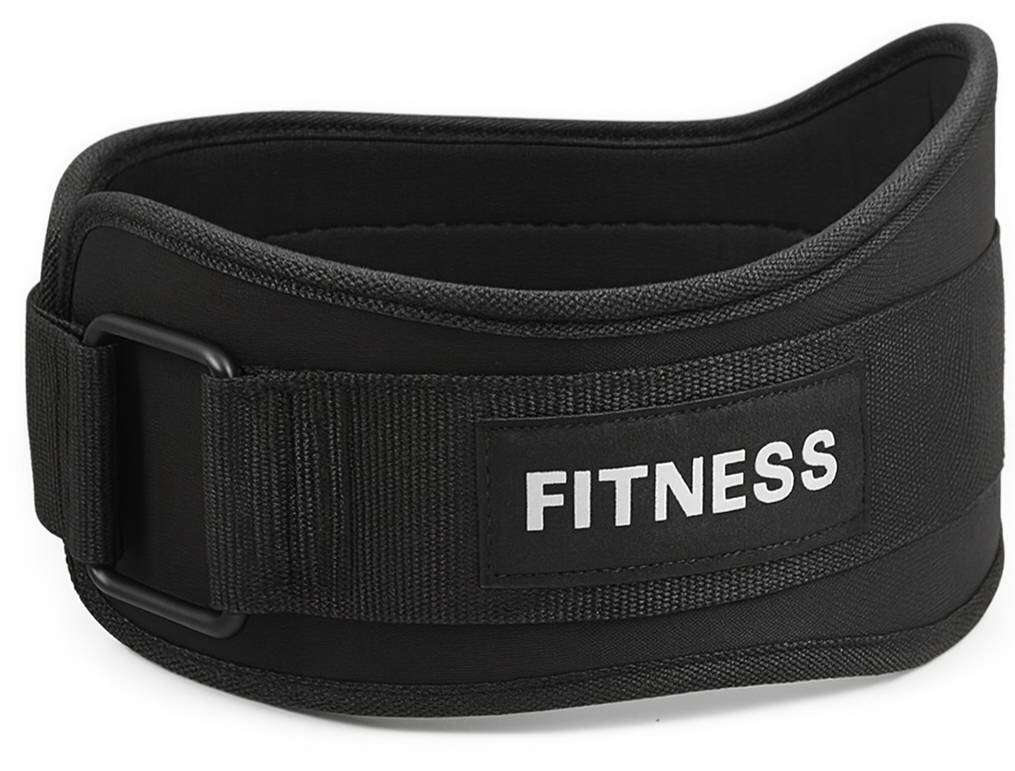
Okay, so let’s talk budget belts.
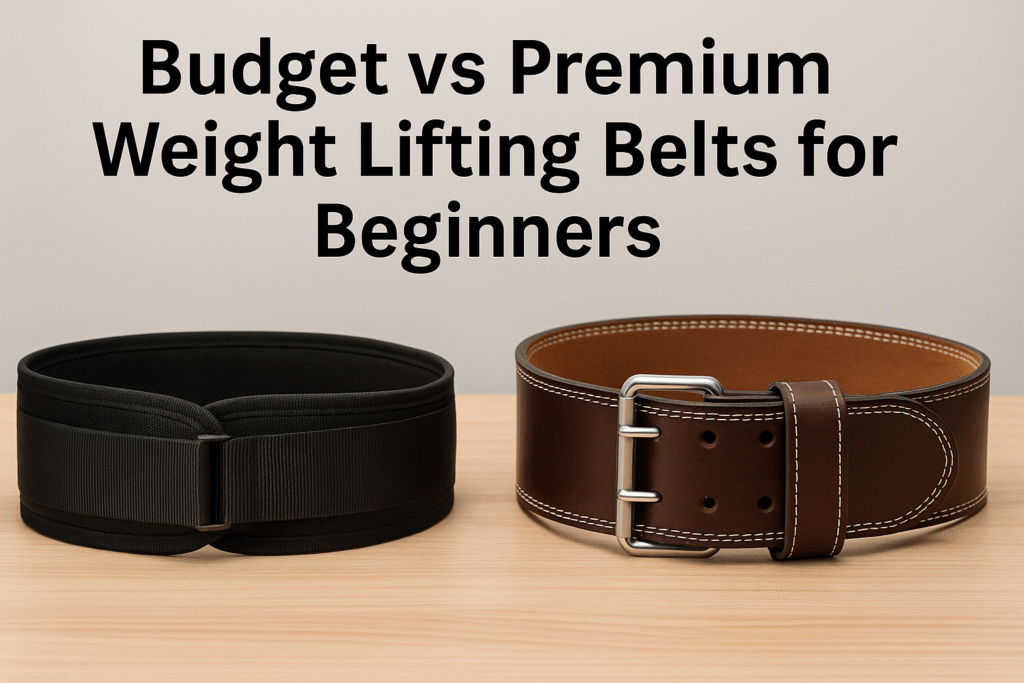
Most of the cheaper ones are made with synthetic leather, nylon, or foam padding.
They’re lighter, more flexible, and a lot easier on your wallet.
For beginners, this can actually be a win.
You don’t need a $150 custom belt to deadlift 185 for reps.
But cheap belts come with their quirks.
They tend to wear out faster.
Some have uneven padding that digs into your ribs or hips.
And the Velcro ones?
They can suddenly pop open mid-set if they’re not high quality.
Trust me, nothing kills confidence in the gym like hearing that “ripppp” sound halfway up a squat.
Premium belts: built like tanks
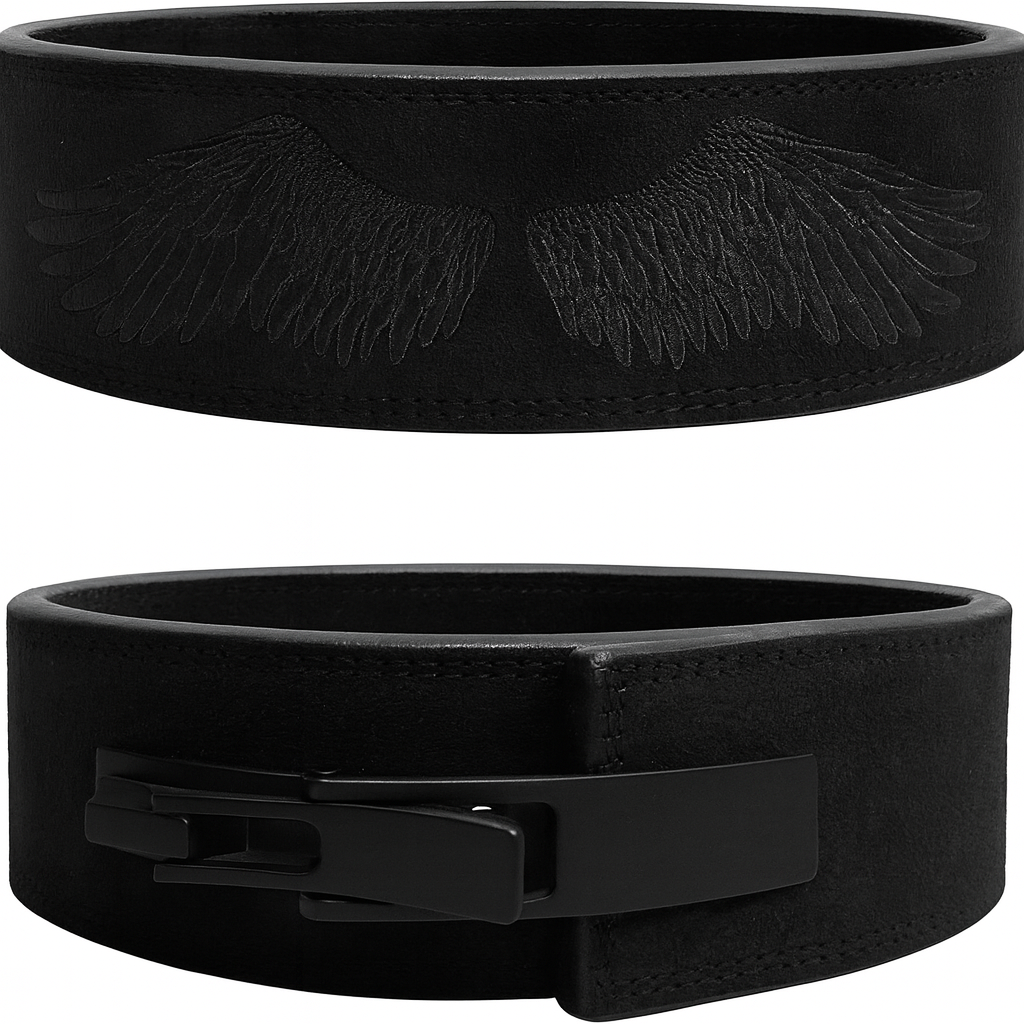
Now, the premium belts—the thick, stiff, full-grain leather beasts.
They feel like strapping a tire around your waist.
Once they’re broken in, they’ll last forever.
They don’t fold, they don’t slip, and they provide rock-solid support.
The downside?
They’re expensive, heavy, and honestly kind of overkill if you’re just learning how to squat without tipping forward.
And breaking them in is no joke.
It’s like wearing a brand-new pair of stiff cowboy boots—you’ll hate it for weeks before you love it.
Do beginners even need a belt at all?
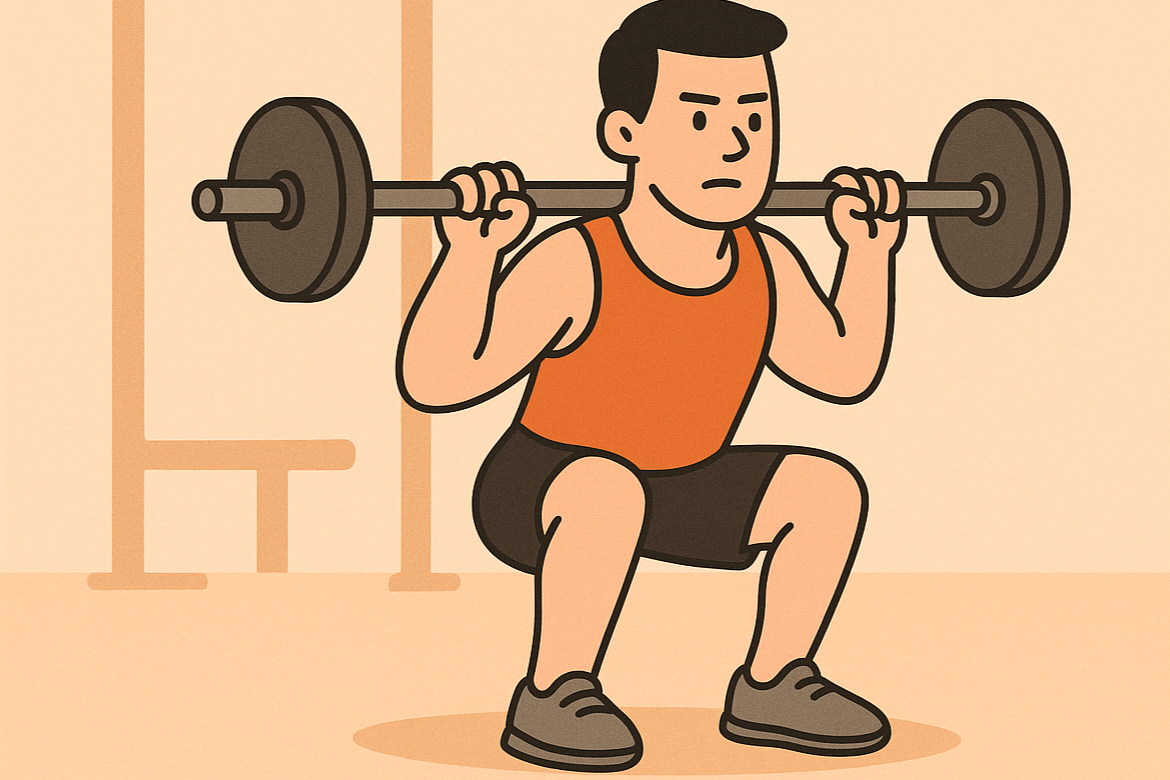
Let’s be brutally honest here.
Most beginners don’t need a belt right away.
If you’re still wobbling on your squats or losing your balance in deadlifts, a belt won’t fix that.
In fact, it might even hide the weaknesses you actually need to address—like core stability, hip mobility, or learning to breathe correctly under load.
Think of it like learning to drive.
You don’t jump straight into a Formula 1 car on day one.
You learn the basics in something small, manageable, and forgiving.
That’s your belt-free training.
Once you’ve got control, then strapping on a belt makes more sense.
The psychology of wearing a belt
Here’s something no one talks about: the mental side.
Wearing a belt can make you feel invincible.
Suddenly, you’ve got this piece of gear around your waist and your brain goes, “Okay, we’re safe now, let’s load more plates.”
That confidence boost can be a good thing.
But it can also backfire if you start relying on the belt as a crutch instead of building strength where it really matters.
It’s like wearing armor—great when you’re facing a battle, but you shouldn’t wear it just to walk to the grocery store.
How to spot a decent budget belt
If you’re going the budget route, don’t just grab the first $20 option on Amazon with flashy flames on it.
There are a few things you want to check:
- Around 4 inches wide—that’s the sweet spot.
- Not paper thin, not a car bumper. Somewhere in the middle.
- Buckle > cheap Velcro. Unless you want to gamble on it exploding mid-squat.
- Comfort matters more than style. If it stabs your ribs every time you bend over, you’ll stop using it.
A solid mid-tier belt often hits the sweet spot—it’s not premium, but it won’t give out after two months either.
When to actually use your belt
Another underrated part: you don’t need to wear the belt for every warm-up set.
If you’re squatting the empty bar, ditch it.
If you’re deadlifting light, skip it.
Save the belt for your top sets, when you’re pushing close to your limits.
That way, you’re still training your body to brace naturally most of the time.
And when you finally slap that belt on for the heavy set, it feels like switching from regular sneakers to cleats—you’re locked in and ready.
Here’s What the Research Actually Shows
I know “science” sounds boring, but stick with me.
Belts aren’t just a gym bro myth.
Research shows they do crank up intra-abdominal pressure, basically turning your torso into a more stable column.
That means your spine gets extra backup when you go heavy.
But here’s the twist.
Studies don’t all agree on whether belts actually prevent injuries.
Some point to less spinal compression, others warn that the “invincible feeling” might push lifters to overload before they’re ready.
Translation?
Belts help, but they’re not magic shields.
Common belt mistakes (a.k.a. how not to look like a rookie)
I’ve seen it all—people cinching their belts so tight they look like sausages ready to burst, or wearing them for bicep curls.
Here’s the truth:
- If you can’t breathe in and push your belly out against the belt, it’s useless.
- Wearing it for every warm-up set? You’re just babying your core.
- Thinking it replaces good form? That’s how backs get wrecked.
- Buying a belt more expensive than your whole gym membership when you can’t squat your bodyweight? Let’s calm down.
Belts are tools, not shortcuts.
Don’t treat them like cheat codes in a video game.
My take after years under the bar
I’ve used both.
I started with a $30 nylon belt with Velcro.
It felt great for my first few months of heavy training.
Then one day, mid-deadlift, the Velcro gave out and I almost face-planted with 315 in my hands.
Lesson learned.
Eventually I invested in a thick leather belt, and yeah—it’s night and day.
But would I go back and tell beginner-me to skip the cheap belt?
Nope.
That first belt gave me the confidence to push heavier and learn how to brace.
It served its purpose.
And that’s all you really need at the beginning.
RELATED:》》》Do squat shoes really make a difference for stability when lifting heavy, or is it just hype?
The bottom line
A budget belt won’t kill you, and a premium belt won’t magically make you stronger.
The belt is just a tool.
The real “upgrade” is your technique, your consistency, and your willingness to keep showing up.
So grab the belt that fits your current level and wallet.