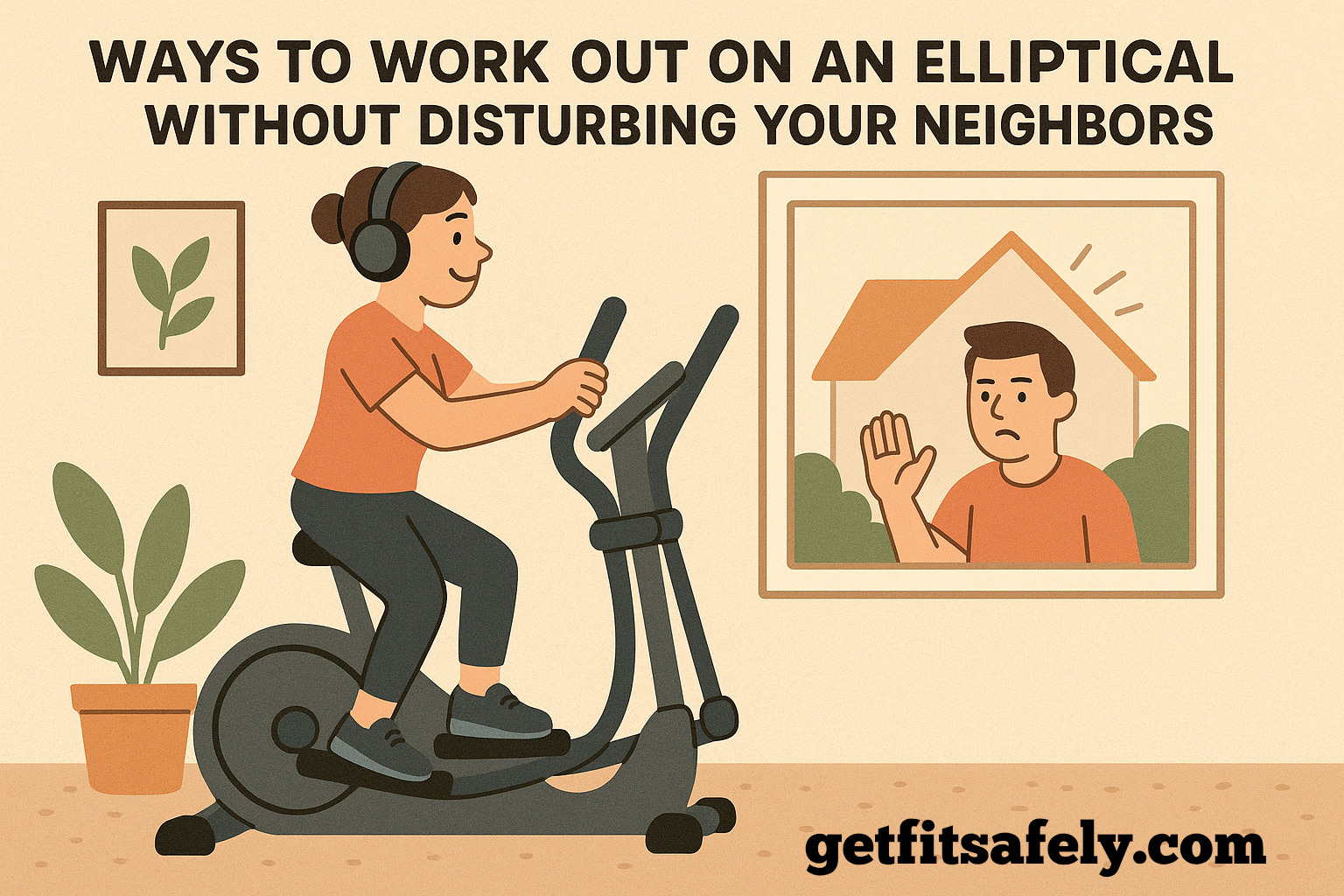
There’s a very specific kind of guilt that comes from living in an apartment and trying to stay fit.
You know the one.
It’s 6:30 a.m., your coffee hasn’t kicked in, and you’re on your elliptical machine—pumping your legs, trying to “get after it”—when suddenly you remember the thin wooden floor beneath you.
You freeze.
Because now all you can think about is your downstairs neighbor, Brenda, the one who bangs the ceiling with a broom every time you so much as drop a sock.
Yeah. Brenda doesn’t lift. But she’s about to lift your rent if you keep shaking the floor.
The Apartment Gym Problem

Ellipticals are great in theory.
Low impact, full-body movement, heart rate up without killing your knees.
But in a small apartment?
It’s like doing cardio in a drum set.
The combination of motion, vibration, and repetitive impact on the floor creates noise that travels right into the ceilings below.
Even the best machines can cause that faint thump-thump rhythm that neighbors start to recognize like a horror soundtrack.
And the truth is, most people don’t realize that vibration, not volume, is the real issue.
That humming sound you hear when the machine starts to wobble?
That’s not just the motor—it’s energy transferring into your floorboards.
According to acoustic engineers, noise through solid structures—called structure-borne vibration—is one of the hardest sounds to block.
It spreads not just downward, but through beams, walls, and even pipes.
So, when you think you’re being quiet, Brenda’s kitchen light fixture might actually be swinging.
The good news?
You can stop that without giving up your cardio routine.
Step One: Fix the Foundation Before You Blame the Machine
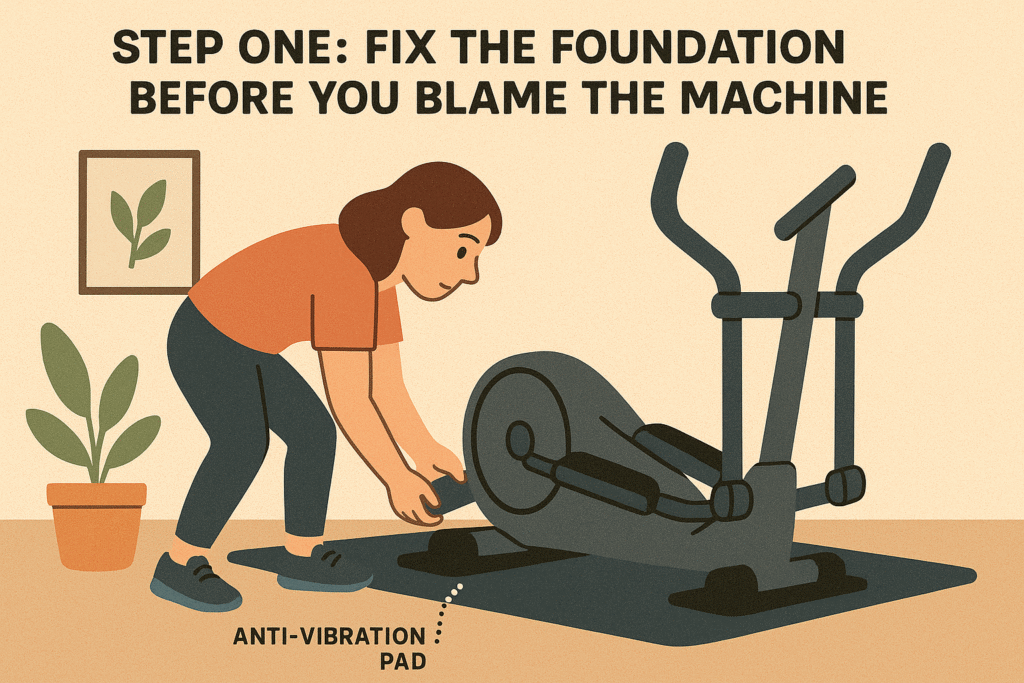
If your elliptical feels like it’s trying to dig its way into the basement, it’s probably not your neighbor’s fault—it’s the floor’s.
Most apartment floors are hollow underneath, built with light wood or laminate that amplifies sound like a cheap guitar.
Here’s how to calm the chaos:
- Use a thick rubber mat — not the flimsy yoga kind. You need something made for heavy equipment, ideally with shock-absorbing material (at least ½ inch thick).
- Add anti-vibration pads under the stabilizers — small but mighty. They break the vibration loop between the elliptical and the floor.
- Check for uneven legs — if one side of your machine wobbles, it multiplies vibration. Adjust those screws.
- Avoid corners and walls — sound travels faster through structure. Moving the machine even a foot away from a wall can help.
You’re basically trying to isolate the machine from your apartment’s skeleton.
Think of it like soundproofing your cardio.
If you want to go next level, you can build a mini “floating platform.”
Some apartment fitness enthusiasts place an extra layer of dense foam or cork flooring under their mat.
It’s not pretty, but it reduces vibration dramatically.
And if your floor itself creaks, that’s your first red flag.
No elliptical mat can silence a hollow floor that flexes under your bodyweight.
In that case, move your machine closer to a structural beam or interior wall—the area with the most support underfoot.
You’re not just saving your relationship with Brenda.
You’re protecting your floor from long-term stress cracks too.
Step Two: Adjust Your Style, Not Just the Setup
Let’s be honest: some of us go full “Rocky montage” on the elliptical.
Fast strides, full force, heart pounding, sweat dripping.
But if your building shakes every time you start sprinting, it might be time to trade power for rhythm.
Try these small changes:
- Stay light on your stride. Don’t stomp. Keep your foot pressure consistent and smooth.
- Avoid sudden bursts. Intervals are great—but maybe don’t unleash your 20-second “beast mode” at 7 a.m.
- Use a moderate resistance. Too low makes you bounce. Too high makes you stomp. Find the balance.
- Dampen your step with shoes that absorb shock. Barefoot training sounds Zen, but not when Brenda can hear your arches clapping.
You’ll still get an effective cardio session—just without the “mini-earthquake” side effects.
Also, consider your stride rhythm.
Slower, smoother movements reduce both vibration and joint impact.
According to a Livestrong article on elliptical technique, maintaining consistent resistance and avoiding jerky starts keeps your machine quieter and your workout more efficient.
If your machine has preset programs, choose the “manual” or “steady state” option instead of aggressive interval or HIIT modes.
Save those sprints for the park or gym.
Step Three: The Right Machine Makes a World of Difference
Not all ellipticals are created equal.
Some sound like stealth ninjas.
Others sound like a lawnmower on a trampoline.
If you’re serious about quiet training, look for these features:
- Magnetic resistance systems — they’re virtually silent and have fewer moving parts.
- Front-drive designs — these tend to have lower vibration transfer than rear-drive ones.
- Heavier base frames — a solid frame absorbs shock better. Lightweight = noisy.
- Quiet glide bearings — these make the stride smoother and quieter, especially long term.
Brands like Sole, Schwinn, and NordicTrack have apartment-friendly models—just check the decibel levels and weight before buying.
And please, don’t go for those “foldable” compact ones on Amazon that promise “whisper quiet cardio.”
They whisper until you hit minute 12.
Then they squeal like an air horn in a blender.
Here’s another insider tip: the placement of your flywheel matters more than you think.
Front-drive ellipticals tend to distribute force forward rather than downward, which can help with noise control in upper-floor apartments.
Rear-drive models often feel smoother, but can resonate more vibration through the floor if the weight is uneven.
If you’re planning long-term, a mid-range heavy flywheel (20 lbs or more) gives you smoother momentum and stability.
A cheap, light frame might save money today—but it’ll cost you peace and quiet tomorrow.
Step Four: Time and Timing Matter More Than You Think
Even the quietest setup won’t save you if you’re working out at midnight.
Sound carries differently depending on what’s happening around it.
When the building is dead silent, even the hum of an elliptical motor feels like a war drum.
So try scheduling your workouts during “normal noise hours”—typically between 8 a.m. and 8 p.m.
If your lifestyle only allows late-night sessions, plug in white noise (or a fan) to mask vibration.
It’s not perfect, but it turns a constant rhythm into background ambience instead of a spotlight performance.
Step Five: Talk to Your Neighbors Like a Human Being
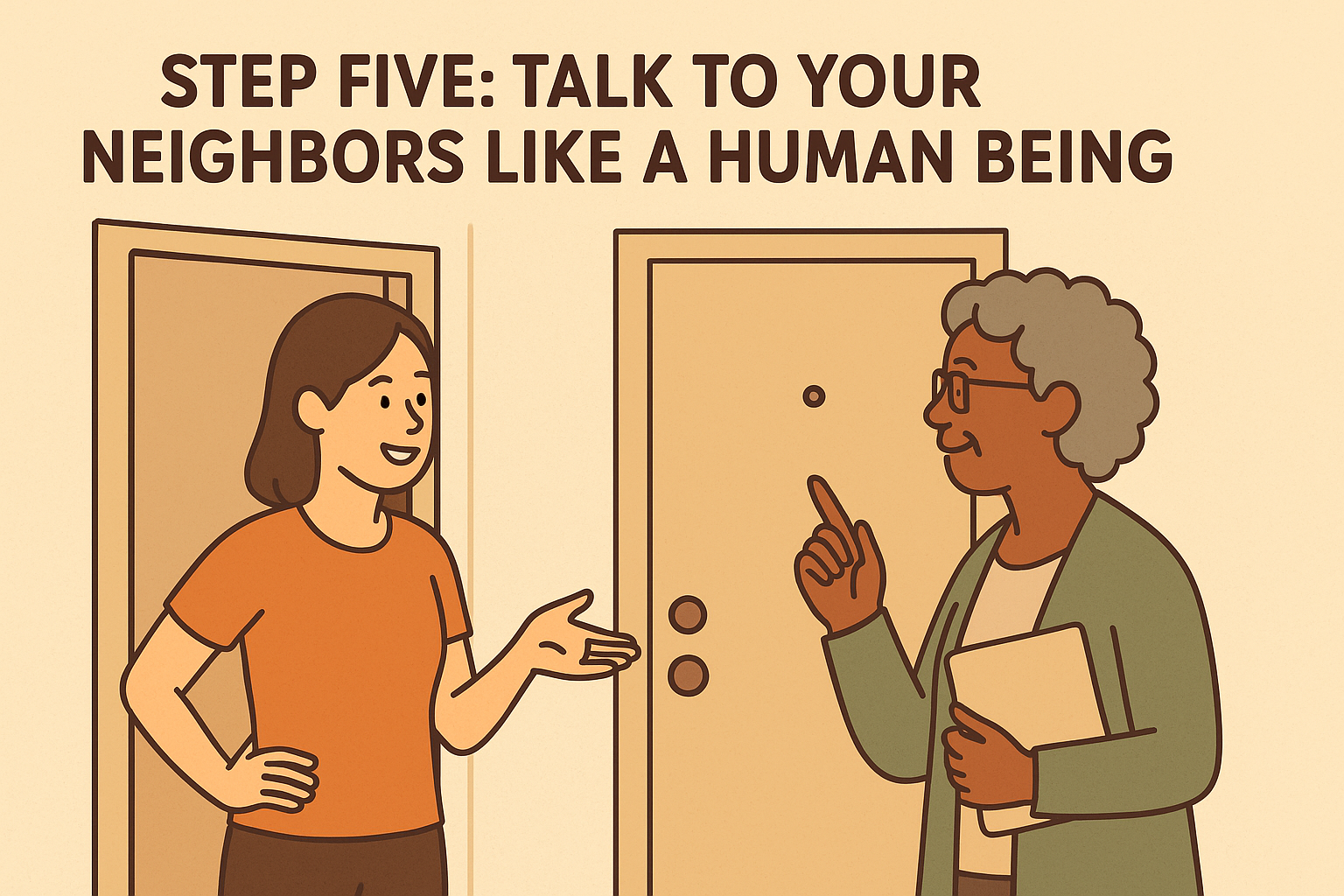
This one’s underrated.
You don’t have to live in fear of Brenda forever.
Sometimes, just letting your neighbors know what’s happening can change everything.
A quick “Hey, I work out at home in the mornings—please let me know if it ever gets too loud” goes a long way.
It shows respect and gives them permission to communicate before it turns into resentment.
And in some cases, you’ll even find they don’t hear a thing.
The paranoia is worse than the noise.
If you want to go the extra mile, offer to test it together—have someone stand downstairs while you train for 2 minutes.
Sometimes that simple experiment calms everyone’s nerves.
Why This Actually Matters for Your Fitness
If you’re constantly anxious about bothering people, you’ll never fully focus on your workout.
You’ll go easier, cut your sessions short, or subconsciously tighten up your movement—making your cardio less effective.
Noise-proofing your elliptical setup isn’t just about peace and quiet.
It’s about removing one more barrier between you and consistency.
Because that’s the real secret.
Not the perfect machine, not the fancy mat, not even the cardio zone heart rate formula.
It’s the fact that you can actually show up every day without stress or guilt.
When your environment feels calm, your nervous system stays relaxed—and that’s when recovery and performance improve.
You’ll notice your endurance grows faster when your workouts feel mentally peaceful.
Elliptical vs. Other Cardio Machines in Apartments
Let’s face it—some cardio machines are better apartment citizens than others.
- Treadmills: High impact, loud, and notorious for floor vibration. Unless you have industrial flooring or your own basement, they’re usually the worst offender.
- Stationary bikes: The quiet heroes. Virtually no floor impact, especially if magnetic. Perfect if you want cardio at midnight.
- Rowing machines: Quieter than treadmills, but can cause rhythmic floor motion if not stabilized properly.
- Ellipticals: The middle ground—low impact but can transmit subtle vibrations depending on build quality and floor.
So if noise is your #1 concern, ellipticals are a smart compromise.
They engage your upper body, burn serious calories, and—when properly stabilized—won’t disturb anyone’s Netflix time.
Maintenance to Keep Your Elliptical Quiet Long-Term
Silence fades if you neglect your machine.
Here’s how to keep it that way:
- Tighten all bolts monthly. Loose joints amplify squeaks and rattles.
- Lubricate the rails and bearings every few months with silicone-based lubricant.
- Wipe sweat regularly—corrosion and residue can mess with moving parts.
- Check for uneven wear on stabilizers; replace pads when flattened.
- Clean under your mat every few weeks—dust and grit cause micro-slips that add vibration.
Treat your elliptical like your car—it stays quiet if you maintain it.
Apartment-Friendly Alternatives If It Still Doesn’t Work Out
Sometimes, despite all the hacks, your living situation just doesn’t cooperate.
If your floors are too old or you live in a super-sensitive building, try switching up your routine:
- Resistance bands circuits (quiet but still effective).
- Shadow boxing or low-impact cardio flows.
- Portable under-desk ellipticals or compact pedal trainers (virtually silent).
- Weighted step routines on thick mats.
You can still hit your cardio goals without a full-sized machine.
Noise doesn’t define progress—consistency does.
Final Thoughts
Fitness shouldn’t feel like something you sneak in—it should belong in your day, not fight against it.
Once your setup feels right, your training stops being stressful and starts being automatic.
That’s what balance really means—movement that fits your life, not the other way around.