I get it.
You want to train seriously at home, but every time you look up dumbbells online it feels like stepping into a jungle.
So many shapes.
So many price tags.
Half of them look like props from a sci-fi movie.
And let’s be honest — most of us don’t live in a mansion with a spare room just waiting to be turned into a gym.
We’ve got apartments, roommates, kids running around, maybe even a cat that thinks every piece of gym gear is its new scratching post.
So how do you pick the right dumbbells without blowing your budget, wasting space, or regretting the purchase two weeks later?
Let’s break it down.
Know your training goal before you buy
I used to think dumbbells were just dumbbells.
Grab whatever’s on sale, start lifting, boom — you’re set.
Wrong.
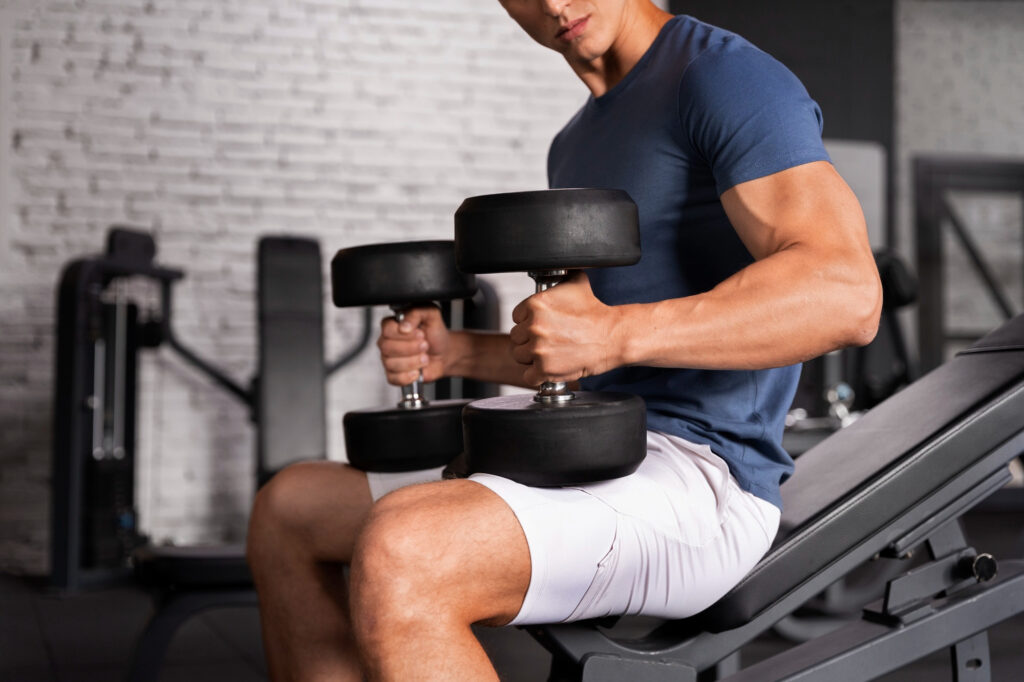
If you only want light toning or basic workouts, a couple of fixed dumbbells can actually be enough.
But if you want to build real strength, add muscle, or stick with training long-term, you’ll hit a wall fast.
Your body adapts.
That “burn” from curls you felt in week one? By week three it’s just warm-up weight.
That’s where progressive overload comes in — the backbone of muscle growth.
You need dumbbells that can grow with you.
Ones that let you keep pushing, adding resistance little by little, without buying a new set every other month.
Space matters more than you think
I once thought I could squeeze a full dumbbell rack into my tiny living room.
Spoiler: I couldn’t.
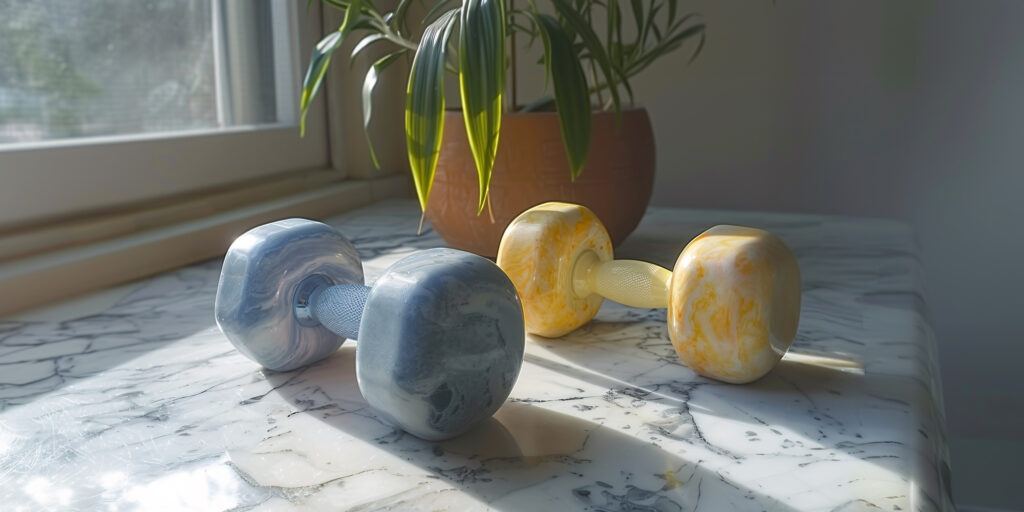
Fixed dumbbells look innocent when you see them online, but try lining up six pairs under your couch and suddenly you feel like you’re living in a storage unit.
That’s why adjustable systems exist.
One set that clicks, spins, or locks into different weights instead of owning 12 pairs.
It’s like having Netflix instead of a stack of DVDs.
Way cleaner, way more space-friendly.
If you live in an apartment or don’t want your home to look like a commercial gym, compact design should be at the top of your checklist.
Budget: don’t let it trick you
There’s this myth that you either buy the cheapest thing on Amazon or drop half a paycheck on some shiny “pro” model.
The truth sits somewhere in the middle.
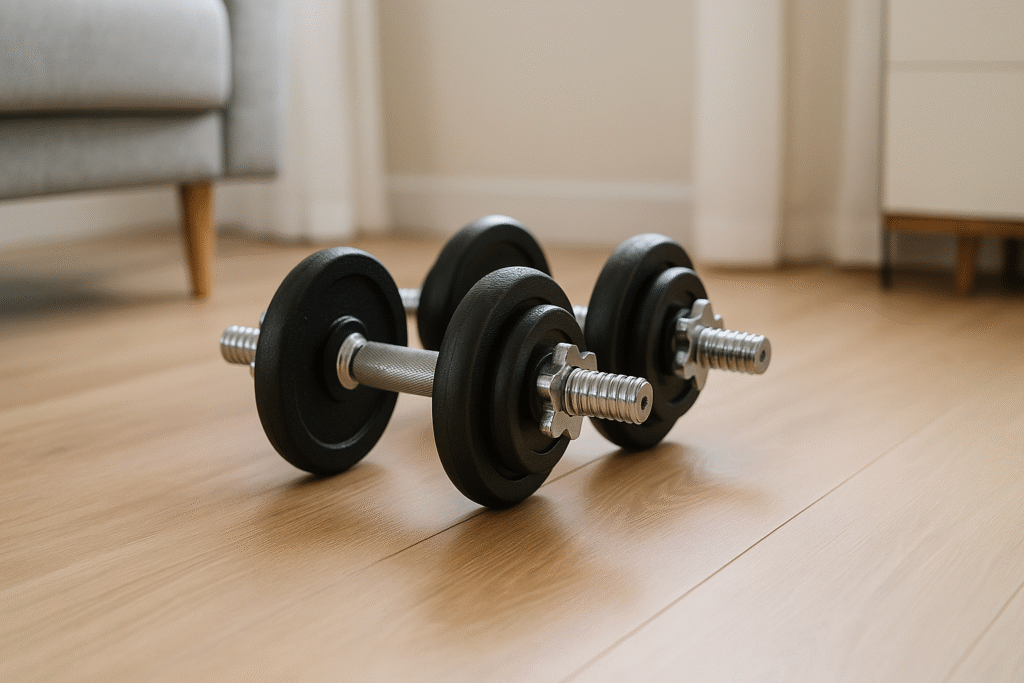
- Super cheap spinlock dumbbells are durable, but adjusting plates mid-workout is like trying to solve a Rubik’s cube between sets.
- High-end dial or pin systems feel futuristic — change weight in seconds — but they can cost as much as a used car if you’re not careful.
- Mid-range options? Solid. They balance quality and price, though sometimes they cap out on max weight.
Here’s the key: buy what matches your training style, not what looks coolest on Instagram.
RELATED》》》 Are adjustable dumbbells good for progressive overload if I train at home?
What to actually look for
Forget glossy ads.
Here’s what actually makes or breaks your home dumbbell setup:
- Increment size: jumps of 2–2.5 lbs beat 5 lbs leaps every time. Small progress adds up big.
- Max load per hand: at least 45–55 lbs each if you plan to squat, row, or press seriously.
- Grip: cheap handles destroy your palms after high-rep sets. Ergonomic handles save your sanity.
- Build: steel beats plastic. Always.
- Length: too long and you’ll be smashing the dumbbells into your legs on every curl.
These little details make the difference between equipment you love using and equipment that becomes an expensive doorstop.
How they fit into full-body training
Here’s where dumbbells shine.
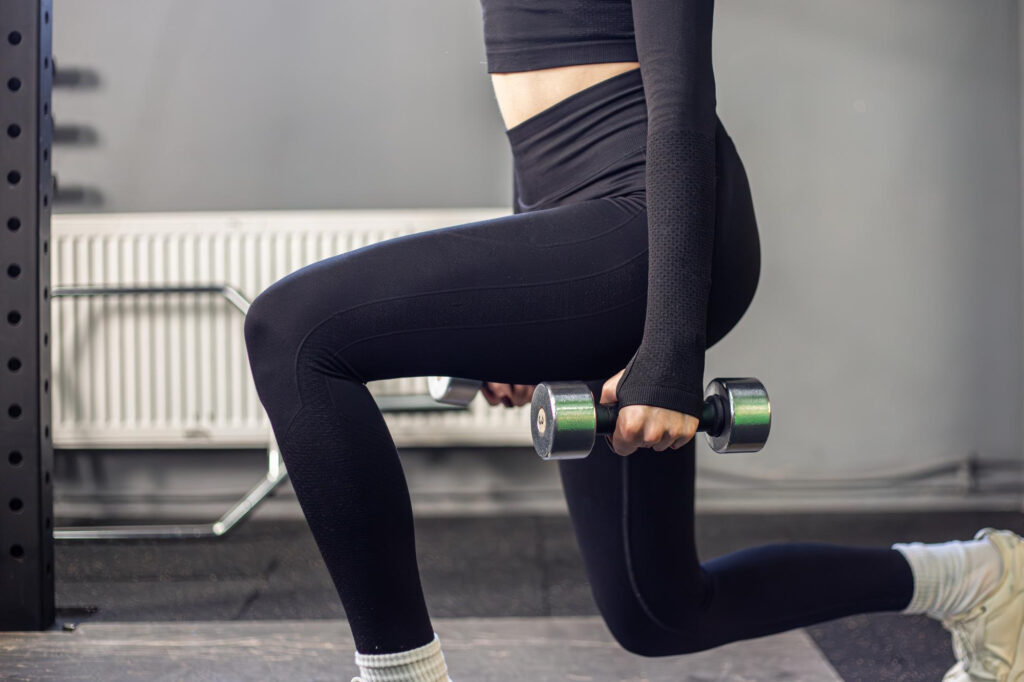
People think they’re just for curls and presses, but one good set can train your entire body.
Chest?
Floor press, incline flys.
Back?
Rows, RDLs, shrugs.
Legs?
Goblet squats, lunges, step-ups.
Shoulders?
Overhead press, lateral raises.
Arms?
Curls, skull crushers, kickbacks.
I’ve gone months training only with dumbbells and a bench.
No fancy machines, no squat rack, just simple tools used consistently.
And the gains were real.
Common mistakes to avoid
Let me save you some pain.
- Buying dumbbells too light because they feel “challenging” the first week. You’ll outgrow them in a month.
- Going for bulk deals without thinking of storage. Your living room shouldn’t look like a sporting goods store exploded.
- Ignoring progression. If your dumbbells stop at 20 lbs each, your training will stall hard.
- Picking style over substance. Neon colors don’t help you lift heavier.
I’ve made every one of these mistakes.
Trust me, fixing them feels way better than learning the hard way.
Hidden perks of training with dumbbells at home
When I first started, I thought dumbbells were just about saving space.
But training with them at home actually changes your mindset too.
No waiting for equipment.
No awkward eye contact at the gym mirror.
No excuses like “traffic was bad so I skipped today.”
Having dumbbells right there makes workouts frictionless.
And that’s the secret nobody talks about: consistency is easier when your gear lives ten steps from your couch.
Plus, dumbbells force your stabilizer muscles to work harder than machines ever will.
That means better coordination, stronger joints, and a body that moves like an athlete — not just looks like one.
Dumbbells vs. other home workout gear
Let’s be real.
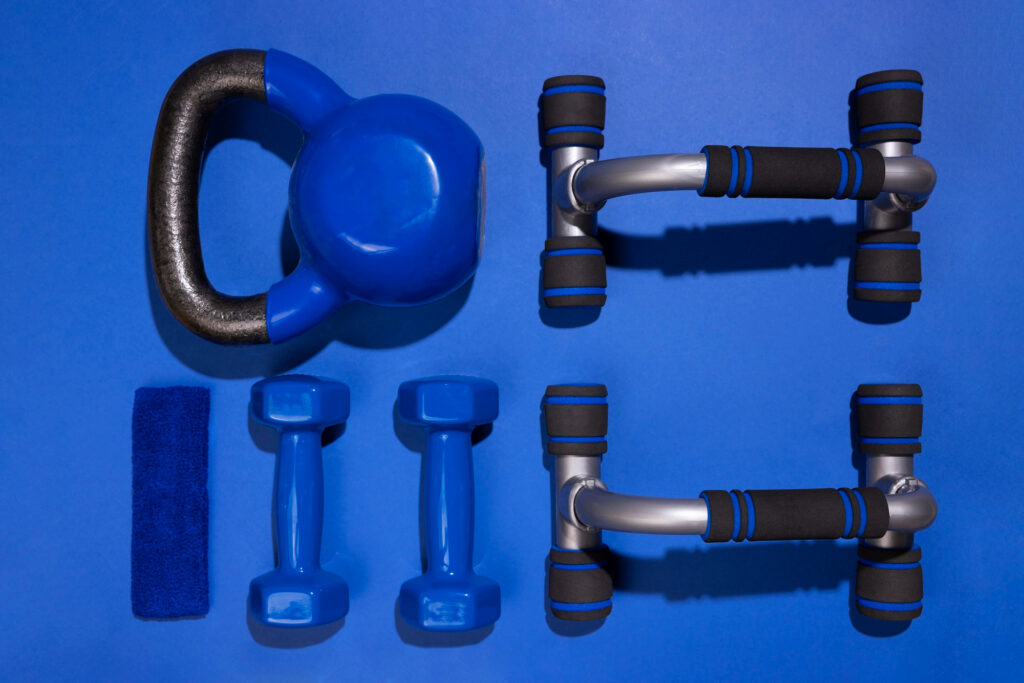
You’ll see ads for resistance bands, kettlebells, even fancy smart mirrors.
They all have their place.
But dumbbells hit the sweet spot between versatility, cost, and raw strength potential.
- Resistance bands: cheap and portable, but they max out fast if you want serious hypertrophy.
- Kettlebells: awesome for explosive, functional work, but not great if you want small incremental progression.
- Machines or smart gear: cool tech, but expensive and usually massive.
Dumbbells?
They do a bit of everything.
Isolation, compound lifts, strength, hypertrophy, even conditioning if you go high-rep.
No gimmicks, just iron in your hands.
How to keep progressing long-term
Buying the right dumbbells is just the first step.
The real trick is making sure you keep pushing your limits.
- Track your numbers → Write down weight, reps, rest time. Tiny changes add up.
- Use tempo → Slow down your reps for more time under tension when weight jumps feel too big.
- Get creative → Pair dumbbells with bands, benches, or bodyweight moves to keep your muscles guessing.
- Plan cycles → Rotate between strength-focused weeks (heavier, lower reps) and hypertrophy weeks (moderate weight, higher volume).
This way, your dumbbells won’t just sit in the corner after three months.
They’ll be the foundation of your growth for years.
Signs you picked the wrong dumbbells
Here’s a reality check most people skip.
- If you’re already dreading changing plates, you won’t stay consistent.
- If the max weight feels too easy after a month, you’ll stall.
- If the handles hurt your hands after every session, you’ll start avoiding workouts.
- If they take up too much space, you’ll resent them every time you see them.
Picking dumbbells isn’t just about specs.
It’s about finding gear that removes obstacles instead of adding them.
The wrong choice drains motivation.
The right one makes training something you actually look forward to.
What could go wrong – Safety & maintenance tips
I’ve seen people spend major cash on fancy adjustable dumbbells — then let a loose mechanism or weak handle ruin the vibe.
So here’s what I’ve learned (sometimes the hard way):
- Always check that locking mechanism clicks and holds.
- Don’t drop the adjustable types unless they’re built for it (many aren’t).
- Wipe down metal parts to avoid rust. Steel + sweat = problem.
- Inspect bolts, screws, dials regularly; a tiny wobble now becomes a hazard later.
- Store them in a dry spot (not on a damp floor or near the shower).
Small-space hacks & layout ideas
You don’t need a full garage. I’ve made setups in odd corners, closets, even behind doors.
Here are hacks that saved me:
- Use vertical shelving or wall-mount racks: hang the adjustable stand when not using it.
- Folding bench instead of full-size bench: fold flat, slide under bed or couch.
- Go for a single pair but with an “upgrade path”: start with, say, 5–25 lbs, then add modules later.
- Use mats to protect both floor and your ears (because dropping anything = loud).
- Measure the swing radius: overhead pressing or lunging needs space; if handles are long, you might hit walls or furniture.
Quick comparison chart: what type suits you best
| Scenario | Best Type of Dumbbells | Why It Works | What to Sacrifice If Needed |
|---|---|---|---|
| Tiny apartment, tight budget | Basic adjustable / loadable handles | Saves space; cheaper up front | Might be slower to adjust; lighter max weight |
| Intermediate lifter wanting speed | Dial or pin-selector adjustables | Fast changes for supersets; smooth workflow | Can cost more; durability can vary |
| Heavy lifter or aspiring strength athlete | High max-weight spinlocks or heavy-load adjustables | Can hit high loads needed for back, legs | Bulky; storage; higher cost |
| Aesthetic / looks matter too | Design-focused adjustables, clean finish, color options | Proud to leave out; feels like part of decor | Sometimes less rugged; maybe more fragile materials |
Overcoming limitations & planning for growth
Even the best dumbbells have limits. I hit mine.
Here’s how I kept going:
- Use bodyweight, bands, or one-arm work when the weights cap out — still progress if you overload differently (tempo, volume).
- Buy “future-proof” units (i.e. ones with upgrade kits).
- Keep an eye out for secondhand deals (but check condition, rust, maintenance).
- Prioritize the weight increments you need (smaller jumps matter more than whether it goes to ultra-heavy).
RELATED:》》》 If I invest in resistance bands, can they really replace dumbbells and barbells?
The real bottom line
Choosing dumbbells isn’t about flexing on Instagram or owning the fanciest gear.
It’s about picking something that keeps you training consistently, safely, and with room to grow.
If you’re short on space, adjustable sets are usually the smarter bet.
If you just want something simple to move around, fixed weights can do the trick.
At the end of the day, the “best” dumbbell is the one you’ll actually use — the one that doesn’t sit in the corner collecting dust.